
In the ever-evolving world of skincare, the quest for a radiant complexion often brings us face-to-face with a variety of products promising clarity and smoothness. Among these, exfoliating pads and liquid toners stand out as popular choices for refining skin texture and balancing tone. Yet, despite their similar goals, the two differ significantly in formulation and application, influencing both the ease of use and the potential for irritation. This article delves into the nuances of exfoliating pads versus liquid toner, exploring how each option fares in the delicate dance between simplicity and skin sensitivity.
Understanding the Application Experience of Exfoliating Pads and Liquid Toners
When it comes to daily skincare routines, the application experience can make all the difference between consistent use and skipped steps. Exfoliating pads offer a simple, no-fuss method—pre-soaked in a gentle chemical exfoliant, they glide effortlessly across the skin’s surface. This makes them especially handy for quick touch-ups or for those who prefer a precise, controlled application. However, the physical nature of rubbing the pad can sometimes cause mild irritation, especially for sensitive skin types or if used too vigorously.
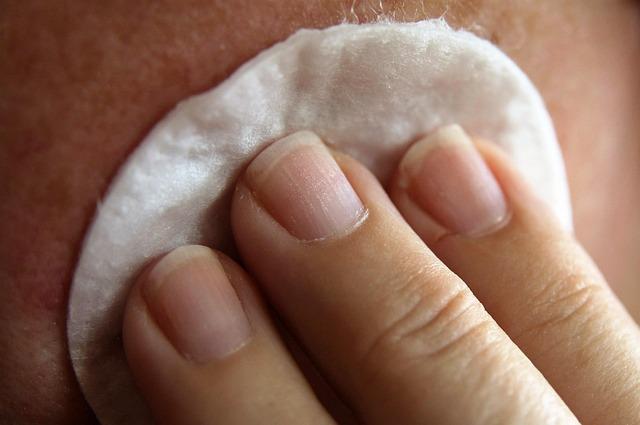
On the other hand, liquid toners provide a more customizable experience. Applied with hands or cotton pads, they absorb quickly and evenly, with less potential for mechanical irritation. This can be particularly advantageous for beginners or those with reactive skin, as the liquid formula tends to feel lighter and less abrasive. Yet, without the tactile feedback of a pad, some users might unintentionally overapply, increasing the chance of sensitivity. Consider the following comparison to better understand their ease and irritation risks:
| Feature | Exfoliating Pads | Liquid Toners |
|---|---|---|
| Application Speed | Quick and targeted | Moderate, depends on application method |
| Control over exfoliation | High, tactile feedback | Variable, less tactile |
| Risk of irritation | Medium, due to friction | Low to medium, chemical sensitivity |
| Suitability for sensitive skin | Less ideal | More suitable |
- Pro tip: For sensitive skin, gently pat liquid toner instead of rubbing.
- Remember: Excess pressure with pads can disrupt skin barrier.

Analyzing Skin Sensitivity and Potential Irritation with Each Product
When it comes to skin sensitivity, both exfoliating pads and liquid toners present distinct challenges and benefits. Exfoliating pads, often infused with AHAs or BHAs, provide a textured surface that physically and chemically removes dead skin cells. While this dual-action can lead to visible smoothness, it also increases the risk of over-exfoliation—especially for delicate or reactive skin types. Users prone to redness, dryness, or breakouts should approach these pads with caution, starting with less frequent use and always following up with a soothing moisturizer to reinforce the skin barrier.
Liquid toners, on the other hand, tend to be gentler when formulated without harsh alcohols or fragrances. They act primarily by balancing pH and delivering hydration, without the abrasive motion of pads. However, the potential irritation risk isn’t eliminated—ingredients like witch hazel, menthol, or citrus extracts can still cause sensitivity in some. Understanding one’s unique skin tolerance is key. Here’s a quick comparison of common irritation triggers found in both products:
| Ingredient Type | Common in Pads | Common in Toners | Potential Irritation |
|---|---|---|---|
| Exfoliants | Glycolic Acid, Salicylic Acid | Rare | High (if overused) |
| Alcohol | Variable | Common | Moderate to High |
| Fragrance | Less common | Variable | Moderate |
| Soothing Agents | Added to reduce irritation | Often present | Low |
- Patch testing before full application can help identify any unwanted reactions early.
- Layering sensitive products with calming serums enhances tolerance.
- Frequency adjustment is crucial; less can often be more for fragile skin.
Comparing Effectiveness and Safety for Different Skin Types
When choosing between exfoliating pads and liquid toners, skin type plays a pivotal role in determining both effectiveness and irritation risk. Oily and combination skin tends to benefit from exfoliating pads, as their textured surface gently buffs away excess dead cells and unclogs pores, supporting smoother skin with a matte finish. Conversely, individuals with dry or sensitive skin often find liquid toners more soothing, as these liquids typically provide hydration and mild exfoliation without the abrasive friction, minimizing the chance of redness or flaking.
Below is a quick reference table outlining how each product aligns with various skin types in terms of ease of use and potential irritation. Keep in mind, product formulation and frequency of use are just as crucial to consider.
| Skin Type | Exfoliating Pads | Liquid Toner |
|---|---|---|
| Oily/Combination | Effective; May cause minor dryness | Mild effect; Hydrating |
| Dry | Can be too abrasive | Gentle; Hydrating |
| Sensitive | Higher irritation risk | Preferred; Less irritation |
| Normal | Convenient; Balanced exfoliation | Versatile; Refreshing |
- Patch tests are essential before fully integrating a new product, especially for sensitive skin.
- Adjust exfoliation frequency to avoid compromising your skin’s natural barrier.
- Look for alcohol-free toners if avoiding dryness is a priority.
Choosing the Right Option Based on Your Skincare Goals and Comfort
When deciding between exfoliating pads and liquid toners, your primary skincare goals should take the lead. If you’re aiming for gentle, gradual exfoliation with minimal fuss, exfoliating pads offer a pre-soaked, controlled application that simplifies your routine. These pads often come infused with AHAs or BHAs, designed to improve texture and clarity over time without overwhelming sensitive skin. On the other hand, liquid toners can be more versatile, allowing customization in terms of application intensity and layering with other products. For those targeting deeper pore cleansing or specific skin concerns like oil control, a liquid toner with active ingredients might deliver more precise results.
Comfort plays a significant role in adherence to any skincare regimen, making irritation risk an essential factor in choice. Exfoliating pads tend to be more suitable for beginners or sensitive skin types since their formulation is often balanced to minimize redness and dryness. Meanwhile, liquid toners can sometimes feel harsher, especially those with high alcohol content or concentrated acids, which may cause stinging if overused. Consider this quick comparison to find your fit:
| Feature | Exfoliating Pads | Liquid Toner |
|---|---|---|
| Ease of Use | Pre-soaked, swipe and go | Custom amount with cotton or hands |
| Irritation Risk | Lower, designed for gentle exfoliation | Variable, depends on formula and usage |
| Exfoliation Strength | Moderate to mild | Flexible, can be light to strong |
| Ideal For | Sensitive, beginner users | Targeted concerns, adaptable routines |
- Tip: Always patch test new products to gauge your skin’s response before integrating fully.
- Tip: Prioritize comfort and consistency over harsher, aggressive exfoliation methods.
To Wrap It Up
In the delicate dance of skincare, choosing between exfoliating pads and liquid toner ultimately comes down to personal preference and skin sensitivity. While pads offer a convenient, all-in-one solution, their textured surfaces can sometimes tiptoe toward irritation. Liquid toners, on the other hand, provide a gentler touch but may require a more mindful application routine. Understanding your skin’s unique temperament and listening to its reactions will guide you toward the product that harmonizes ease with comfort—because in skincare, balance is the true glow.