
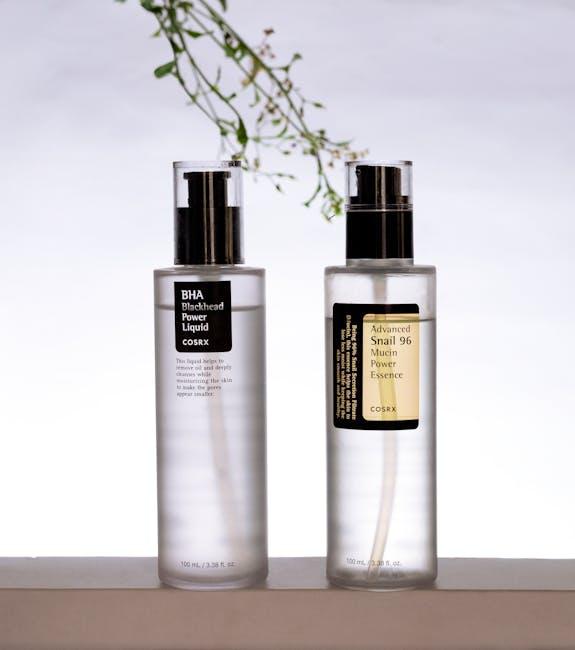
When it comes to achieving smooth, radiant skin, the world of exfoliants can feel like a labyrinth of acronyms and ingredients. Among the most popular players are AHA (alpha hydroxy acids) and BHA (beta hydroxy acids), two powerhouse acids known for their ability to transform your complexion. But when it comes to refining skin texture versus minimizing the appearance of pores, which one truly takes the crown? In this article, we’ll unravel the unique qualities of AHAs and BHAs, exploring how each works beneath the surface to address your skin’s specific needs—and help you decide which might be the perfect addition to your skincare routine.
Understanding How AHA Transforms Skin Texture and Smoothness
Alpha Hydroxy Acids (AHAs) work by gently dissolving the bonds that hold dead skin cells together on the surface, revealing fresher, newer skin beneath. This exfoliation process not only brightens the complexion but also smooths out rough patches and uneven skin texture. Over time, regular use of AHAs can significantly improve skin thickness and firmness by stimulating collagen production, creating a supple and youthful feel. Their effectiveness makes them a favorite for people looking to minimize fine lines and achieve a velvety, radiant skin surface.
Key benefits of AHA for skin texture include:
- Enhanced cell turnover: Speeds up the shedding of dull skin cells, promoting renewal
- Improved hydration: AHAs help the skin retain moisture, reducing dryness and flakiness
- Smoother tone: Tackles rough patches by softening the skin’s surface
- Collagen boost: Promotes skin elasticity, reducing the appearance of fine lines
| Effect | How AHA Helps |
|---|---|
| Texture Improvement | Exfoliates dead cells, smooths uneven skin |
| Hydration | Increases moisture retention, reduces dryness |
| Firmness | Stimulates collagen for plumper skin |
| Glow | Reveals brighter, fresher skin underneath |
Exploring BHA’s Role in Minimizing Pore Appearance and Reducing Breakouts
Beta Hydroxy Acids (BHAs) excel in penetrating deep within the pores due to their oil-soluble nature, making them particularly effective for those struggling with enlarged pores and breakouts. Unlike AHAs that mainly work on the skin surface, BHAs dissolve the excess sebum and dead skin cells clogging pores, reducing their appearance over time. This gentle exfoliation helps keep pores clear, thereby minimizing the chance of blackheads and acne formation. Additionally, the anti-inflammatory properties of salicylic acid, a common BHA ingredient, soothe irritated skin and calm redness often associated with acne-prone complexions.
Incorporating BHAs into your skincare routine offers targeted benefits, especially for oily or combination skin types that experience frequent breakouts. Here’s why BHAs stand out:
- Deep Pore Cleansing: BHA’s affinity for oil ensures thorough cleansing from within pores.
- Anti-inflammatory Action: Reduces swelling and redness linked to breakouts.
- Oil Control: Helps regulate excess sebum production, preventing new blemishes.
- Non-abrasive Exfoliation: Promotes smoother skin without irritation.
| Effect | How BHA Helps |
|---|---|
| Minimizing pore appearance | Clears debris and reduces size over time |
| Breakout reduction | Reduces inflammation and unclogs pores |
| Skin texture improvement | Smoothes rough patches with gentle exfoliation |

Comparing AHA and BHA Effects for Different Skin Types and Concerns
When considering exfoliants for varying skin types, AHAs (Alpha Hydroxy Acids) shine particularly for those looking to enhance skin texture and brightness. These water-soluble acids work by gently loosening the bonds between dead skin cells, revealing a smoother, more radiant surface. They are especially beneficial for individuals with dry or sun-damaged skin, as their hydrating properties help replenish moisture while fading pigmentation and fine lines. Common AHAs like glycolic and lactic acid can significantly improve uneven texture without causing excessive irritation, making them excellent for sensitive and mature skin alike.
On the other hand, BHAs (Beta Hydroxy Acids) are oil-soluble and excel at penetrating deep into pores to combat excess sebum and breakouts. This makes them the go-to choice for oily and acne-prone skin types aiming to minimize pore appearance and prevent congestion. Salicylic acid, the most popular BHA, has anti-inflammatory benefits that soothe redness and calm blemishes. Those with combination or acne-prone skin will notice clearer, less visible pores with consistent BHA use. Below is a quick reference to help navigate which acid suits your particular concerns:
| Skin Type | Primary Benefit | Best Acid |
|---|---|---|
| Dry/Sensitive | Texture, Hydration | AHAs (Lactic, Mandelic) |
| Oily/Acne-Prone | Pore Cleansing | BHAs (Salicylic) |
| Combination | Balanced Exfoliation | AHAs + BHAs (Layered) |
| Mature | Fine Lines, Brightness | AHAs (Glycolic) |
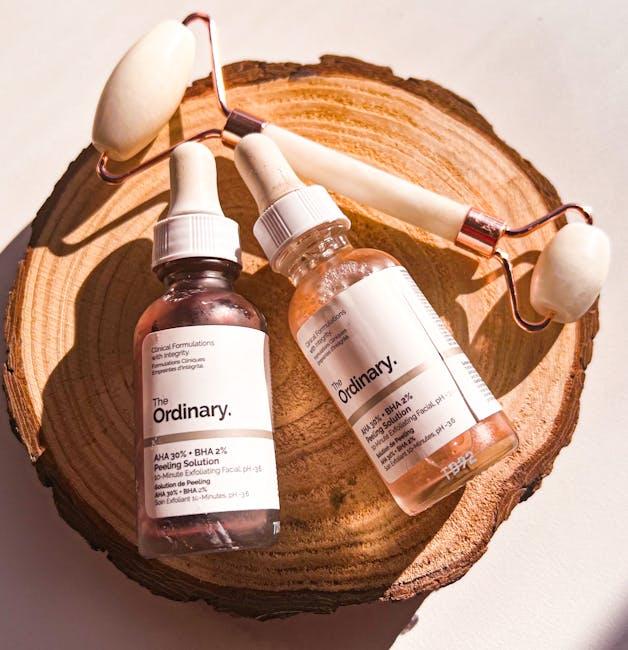
Tailoring Your Skincare Routine with AHA and BHA for Optimal Results
When customizing your skincare routine with AHA (Alpha Hydroxy Acids) and BHA (Beta Hydroxy Acid), it’s essential to recognize their distinct roles and how they can complement each other. AHAs, being water-soluble, are excellent for exfoliating the skin’s surface, promoting smoother texture by sloughing off dead skin cells and stimulating collagen production. This makes them ideal for addressing issues like uneven texture, dullness, and fine lines. In contrast, BHAs are oil-soluble, enabling them to penetrate deep into pores, dissolving excess sebum and preventing congestion that leads to enlarged pores and breakouts. By understanding your skin’s primary concerns, you can select acids that target the right layers effectively.
Crafting the perfect balance often means incorporating both acids, but timing and concentration matter. For example, using an AHA-based product in the evening can enhance exfoliation and skin renewal, while a BHA treatment in the morning can help control oil and reduce pore visibility throughout the day. Here’s a quick guide to get started:
- Texture Focus: Use gentle AHAs like glycolic or lactic acid 2-3 times per week.
- Pore Refinement: Integrate BHAs such as salicylic acid daily or every other day to keep pores clear.
- Combined Approach: Alternate days of AHA and BHA or layer using patch testing to avoid irritation.
| Concern | Recommended Acid | Ideal Usage |
|---|---|---|
| Uneven Texture | Glycolic Acid (AHA) | 2-3 times/week, evening |
| Enlarged Pores | Salicylic Acid (BHA) | Daily, morning or evening |
| Dull Skin | Lactic Acid (AHA) | 2 times/week, evening |
| Acne-Prone | Salicylic Acid (BHA) | Daily, as tolerated |
In Conclusion
In the end, whether AHA or BHA takes the crown for your skincare routine boils down to your unique skin story. AHAs gently resurface and smooth texture, inviting radiance to the surface, while BHAs delve deeper, clearing out pores and calming inflammation with quiet efficiency. Neither is inherently better; they’re simply different tools in the quest for healthy, glowing skin. Understanding your skin’s needs is the key to unlocking the perfect balance—whether that means choosing one, layering both, or alternating their powers for a complexion that feels as good as it looks. After all, the best skincare ingredient is the one that works for you.