
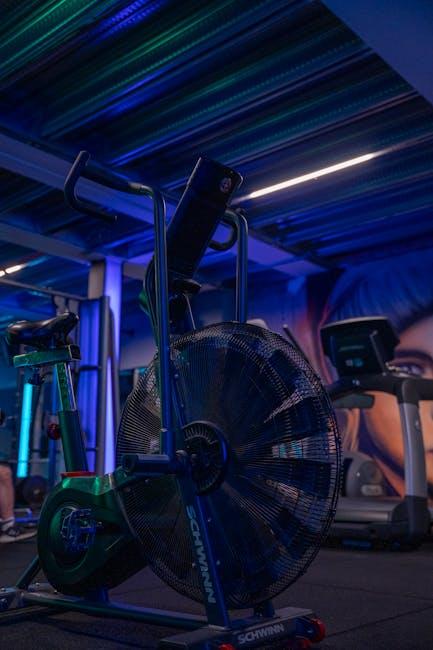
When it comes to bringing the gym experience into your living room, few pieces of equipment promise a full-body workout quite like cardio machines. Among the most popular contenders are the stationary bike and the rowing machine—each offering a unique blend of movement, intensity, and muscle engagement. Whether you’re aiming to burn calories, boost endurance, or simply find a convenient way to stay active, understanding the basics of these at-home cardio options can help you make an informed choice. In this article, we’ll dive into the fundamental differences between the bike and the rower, exploring how each machine works and what benefits they bring to your fitness routine.
Choosing the Right Machine for Your Fitness Level and Goals
When selecting a cardio machine for your home workouts, it’s vital to match the equipment with your current fitness level and long-term objectives. For beginners or those focusing primarily on lower-impact exercises, a stationary bike often proves to be an excellent starting point. Bikes offer smooth, controlled movements that reduce strain on joints while still delivering an effective cardiovascular challenge. This makes them perfect for steady-state endurance training, weight management, and gentle rehab routines. On the other hand, rowers cater to individuals seeking a full-body workout that integrates strength and cardio, ideal for improving muscular endurance and overall power.
Think about your goals before making a decision. If your priority is enhancing aerobic capacity without overwhelming your muscles, the bike’s consistent lower-body focus offers a forgiving yet purposeful workout. Meanwhile, if you’re after a calorie-blasting session that engages almost every major muscle group, the rowing machine’s dynamic pull-and-drive motion provides a higher intensity option with greater variety. Here’s a quick breakdown of key fitness goals and best machine matches:
- Joint-friendly cardio: Bike
- Full-body strength and endurance: Rower
- Weight loss through steady-state: Bike
- High-calorie burn with interval training: Rower
| Fitness Goal | Ideal Machine | Intensity Level |
|---|---|---|
| Low-impact endurance | Bike | Moderate |
| Full-body conditioning | Rower | High |
| Calorie-focused fat burn | Rower | Variable (interval) |
| Rehabilitation & mobility | Bike | Low |

Understanding the Muscle Groups Targeted by Bikes and Rowers
Both bikes and rowers offer excellent cardiovascular workouts, but they engage different muscle groups that can influence your fitness goals. Stationary bikes primarily target the lower body, focusing on quadriceps, hamstrings, glutes, and calves. The pedaling motion emphasizes endurance and strength in these areas, making it ideal for those looking to sculpt toned legs and improve lower-body stamina. Meanwhile, because your upper body remains relatively stationary, muscles like the upper back and arms get minimal activation.
Rowing machines deliver a more holistic full-body workout by combining leg drive with upper body pulling actions. This dual engagement activates the quadriceps, glutes, and hamstrings similarly to biking but adds significant work for the rhomboids, trapezius, biceps, and core muscles. In one fluid movement, you’re strengthening and toning both lower and upper body muscles. The table below highlights the key muscle groups each machine emphasizes:
| Muscle Group | Stationary Bike | Rowing Machine |
|---|---|---|
| Quadriceps | High Activation | High Activation |
| Hamstrings | Moderate Activation | High Activation |
| Glutes | Moderate Activation | High Activation |
| Calves | High Activation | Moderate Activation |
| Core | Low Activation | High Activation |
| Upper Back | Minimal Activation | High Activation |
| Arms (Biceps, Forearms) | Minimal Activation | Moderate to High Activation |
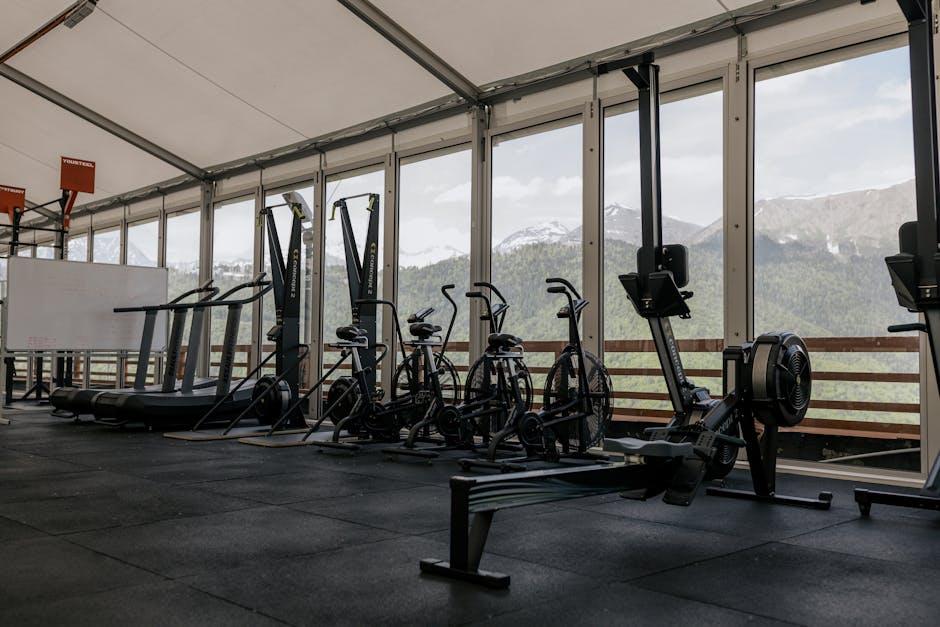
Comparing Calorie Burn and Cardiovascular Benefits
When it comes to calorie burn, both bikes and rowers offer efficient workouts, but the intensity and muscle engagement vary significantly. Bikes primarily target the lower body, engaging the quads, hamstrings, and calves, which allows for steady calorie consumption, particularly during high-resistance or interval training sessions. On the other hand, rowers provide a full-body workout that recruits muscles in the legs, core, back, and arms. This combination often translates into a higher overall calorie expenditure in the same timeframe, making rowing an excellent option for those seeking maximal fat burn in less time.
In terms of cardiovascular benefits, each machine brings unique advantages depending on your fitness goals. Stationary bikes tend to support longer endurance sessions with steady-state cardio that’s gentle on the joints, perfect for sustained heart rate elevation. Rowers, due to their full-body engagement and coordination demands, often elevate the heart rate quicker and enhance cardiovascular capacity through combined strength and aerobic conditioning. To summarize:
- Bike: Great for joint-friendly, lower body-focused cardio and endurance
- Rower: Full-body cardio that builds strength and improves heart health in a condensed workout
| Metric | Bike | Rower |
|---|---|---|
| Average Calories Burned (30 min) | 250-350 kcal | 300-450 kcal |
| Primary Muscles Used | Legs | Full Body |
| Cardio Intensity | Moderate to high | High |
Space, Noise, and Budget Considerations for Home Setup
When planning your home workout space, consider the footprint that each machine will occupy. Bikes generally take up less room and can fit comfortably in tighter spaces, making them ideal for apartments or home offices. Rowers, with their full-length design, require more horizontal space but offer a sleek, foldable option that can be tucked away when not in use. Noise levels vary significantly too; while most bikes hum quietly, rowers create a distinctive sliding sound with each stroke. If your setup is near shared walls or you live with others, the calming whir of a bike might be less disruptive.
Budget plays a pivotal role in deciding between the two. Entry-level bikes often come at a lower price point with basic features, while rowers tend to start at a higher cost due to their complex mechanics. However, investing in a durable rower can save space and offer full-body engagement, potentially reducing the need for additional equipment. Below is a quick comparison to visualize space, noise, and budget aspects:
| Factor | Bike | Rower |
|---|---|---|
| Average Footprint | 4ft x 2ft | 6ft x 2ft |
| Noise Level | Low (Quiet hum) | Moderate (Sliding sound) |
| Starting Price | $200 – $500 | $400 – $800 |
| Storage | Stationary | Foldable options available |
In Summary
Whether you’re pedaling through a virtual landscape or powering each stroke across imagined waters, both the bike and the rower offer unique journeys to better health—all from the comfort of home. Choosing between them ultimately depends on your fitness goals, space, and personal preferences. So, take a moment to reflect on what kind of workout story you want to write next. Whichever machine you choose, the path to cardio success is just a few strides—or strokes—away.