
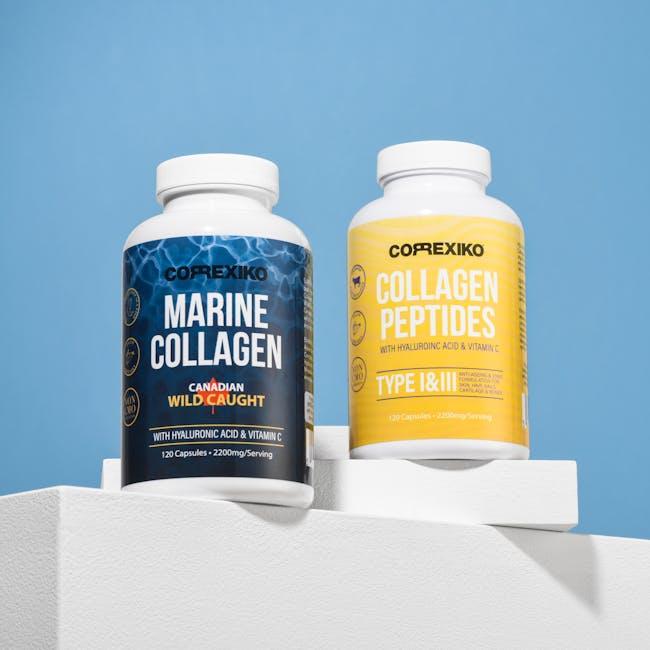
In a world flooded with countless supplement options promising everything from boundless energy to rapid weight loss, navigating the aisles—or the endless pages of online stores—can feel like decoding a cryptic puzzle. Not all that glitters is gold, and not every label tells the full story. Behind some shiny bottles lie subtle warning signs that savvy shoppers learn to spot and sidestep. In this article, we peel back the packaging to reveal the supplement label red flags I avoid, offering a clear-eyed guide to help you make informed choices in your quest for health and wellness.
Unclear Ingredient Listings and Hidden Additives
When a supplement’s label reads like a secret code instead of a clear list, I immediately approach with caution. Vague terms such as “proprietary blend” or simply listing ingredients without specifying amounts are a major warning sign. These ambiguous labels often hide the true composition, making it impossible to gauge the potency or even identify unwanted fillers and allergens. If you can’t easily understand what you’re consuming, how can you trust the product to deliver the promised benefits?
Watch out for additives that sneak in under generic or technical names like “anticaking agents,” “natural flavors,” or “colorants.” These can mask synthetic chemicals, cheap fillers, or substances that might trigger sensitivities. To put it simply, transparency matters. Here’s a quick glance at common additives that I personally steer clear of when details are unclear:
- Silicon dioxide – Often used as a flow agent, but excessive amounts can cause digestive discomfort.
- Magnesium stearate – A lubricant that, in large quantities, may affect nutrient absorption.
- Artificial sweeteners – Linked to unwanted side effects and often included in “natural” supplements.
- Unspecified “natural flavors” – Could be derived from sources you’re allergic to or wish to avoid.
| Additive | Common Use | Potential Concern |
|---|---|---|
| Silicon dioxide | Prevent clumping | Possible digestive issues |
| Magnesium stearate | Tablet lubrication | May inhibit absorption |
| Natural flavors | Enhance taste | Source often undisclosed |
| Artificial sweeteners | Sweeten taste | May cause adverse reactions |
Excessive Use of Proprietary Blends Without Transparency
When a supplement label lists a proprietary blend without disclosing the exact amounts of each ingredient, it raises an immediate red flag. These blends can hide underdosed or ineffective quantities of key components, making it difficult to assess the actual potency you’re getting. Without transparency, you’re left guessing whether the formula is truly designed to deliver benefits or just to look impressive on paper.
Consumers should demand clarity because knowing the precise dosage of active ingredients is essential for safety and effectiveness. Beware when labels use vague terms like “proprietary complex” or “blend matrix”. Here’s what to watch out for:
- Lack of individual quantities: No way to tell how much of each ingredient is included.
- Unbalanced ingredient ratios: Some elements may be drowned out by less beneficial fillers.
- Potential safety concerns: Too much or too little of certain active compounds can cause unwanted effects.
| Blend Label | Transparency Level | Risk Factor |
|---|---|---|
| Proprietary Blend A | Low | High |
| Complex Matrix B | Medium | Moderate |
| Full Disclosure C | High | Low |
Unrealistic Health Claims Lacking Scientific Support
When a supplement label promises miraculous results overnight or claims to cure a wide range of unrelated ailments, it’s a definite warning sign. Phrases like “boosts immunity instantly”, “burns fat without diet or exercise”, or “100% guaranteed results” often indicate products that prioritize marketing hype over genuine science. Such statements rarely come backed by credible research or clinical trials, making them more about selling dreams than delivering real health benefits.
Be especially cautious if the label uses vague scientific jargon without providing concrete evidence or references to reputable studies. Terms like “clinically proven*” or “scientifically formulated**” without clear footnotes or certification can be red flags. To help spot these, here’s a quick checklist of suspicious buzzwords:
- “Detox your body” with no explanation how
- “Miracle cure” or “magic pill”
- Excessive claims like treating multiple diseases
- Promises of immediate results or “overnight” effects
- “Secret formula” or proprietary blends hiding exact ingredients
| Claim | Reality Check |
|---|---|
| “Boosts metabolism by 300%” | No clinical evidence supports such extreme effects |
| “Cures chronic diseases naturally” | Supplements can support but not cure diseases |
| “Clinically proven” (no study cited) | Potentially misleading marketing speak |
Overly High Dosages That Exceed Recommended Limits
When a supplement’s label boasts of ingredient amounts that soar far beyond what health authorities recommend, it’s a glaring signal to pause. Excessively high dosages don’t just waste your money; they can also introduce safety risks or lead to uncomfortable side effects. Remember, more isn’t always better—sometimes it’s downright hazardous. Beware of supplements pushing vitamins or minerals at levels multiple times the established upper intake limits, as these can potentially disrupt your body’s delicate balance.
Here’s a quick glance at some commonly overdosaged nutrients and their typical recommended limits:
| Ingredient | Typical Upper Limit | Effects of Excess |
|---|---|---|
| Vitamin B6 | 100 mg/day | Nerve damage, numbness |
| Iron | 45 mg/day | Digestive issues, toxicity |
| Vitamin D | 4,000 IU/day | Calcium buildup, kidney issues |
Spotting these excessive values early helps you steer clear of unnecessary risks. Opt instead for products that adhere closely to established safe levels, proving their commitment to both effectiveness and your well-being. Your body deserves balanced support, not an overload.
To Conclude
In the end, navigating the world of supplements requires more than just a quick glance at the label. By recognizing these red flags, you empower yourself to make informed choices that prioritize your health over flashy marketing or ambiguous claims. Supplements should support your journey, not complicate it—so trust your instincts, read between the lines, and let transparency be your guide. After all, the best supplement is one that delivers honesty as clearly as it delivers benefits.