
In the vast and colorful landscape of our grocery aisles, the term “natural flavors” often appears like a quiet enigma on ingredient lists. It’s a phrase that hints at something wholesome and authentic, yet its exact meaning can feel elusive. Is it simply the essence of nature captured in a bottle, or a more complex concoction crafted behind lab doors? As consumers grow increasingly curious and cautious about what they eat, unpacking the mystery of natural flavors becomes more than just a culinary curiosity—it’s a step toward understanding the delicate dance between nature and science in the foods we savor every day. This article dives into what “natural flavors” might actually mean, exploring their origins, uses, and the questions they raise about transparency in food labeling.
Understanding the Sources Behind Natural Flavors
When you see natural flavors listed on a product label, it might conjure images of fresh fruits, herbs, or spices. While natural flavors are indeed derived from plant or animal sources, their journey from raw materials to your taste buds is often more complex than one might expect. These flavors are typically extracts or distillates obtained through processes such as fermentation, distillation, or solvent extraction, which help isolate the most aromatic and flavorful components. For example, a natural vanilla flavor might originate from vanilla beans, but it could be concentrated and modified to enhance its profile and maintain consistency across different batches.
So, what kinds of sources are behind these natural flavorings? They can range widely and include:
- Fruits: berries, citrus peels, and tropical varieties
- Vegetables: herbs, roots, and even leafy greens
- Animal derived: dairy, meat extracts, or seafood bases (used cautiously depending on dietary restrictions)
- Microbial fermentation: microbes like yeast or bacteria used to produce flavor compounds
| Source Category | Examples | Common Use |
|---|---|---|
| Fruits | Orange peel, raspberry | Beverages, baked goods |
| Vegetables | Garlic, basil | Soups, sauces |
| Animal-Derived | Butter, chicken broth | Snacks, ready meals |
| Microbial | Yeast extracts | Fermented foods, seasonings |
Decoding Ingredient Labels for Better Food Choices
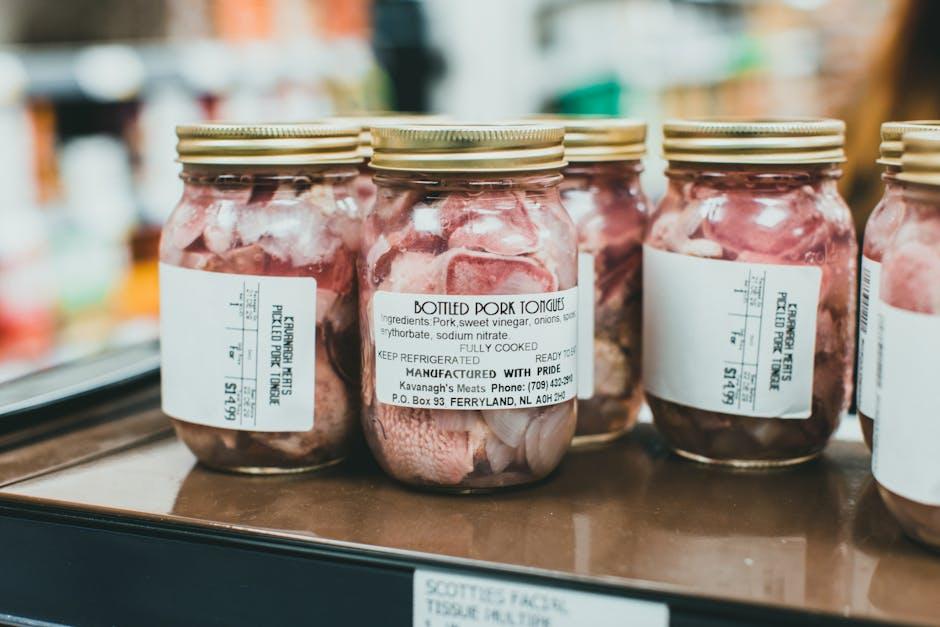
When you spot “natural flavors” on an ingredient label, it may sound wholesome and reassuring. However, this generic term can encompass a wide range of substances derived from plant or animal sources. Food manufacturers use it to enhance taste without revealing the exact components, which can include anything from fruit extracts to proteins or even essential oils. Keep in mind that these flavors are often created through complex chemical processes, making them far from the “natural” experience you might expect.
To better understand what you’re consuming, consider these factors:
- Source ambiguity: Natural flavors can come from multiple ingredients, including allergens.
- Processing methods: Extraction and modification techniques may alter the original nature of the source.
- Label inconsistencies: Regulations allow “natural flavors” without specifying contents, so transparency is limited.
| Factor | What to Watch For |
|---|---|
| Source | Plants, Animals, or Mixed |
| Possible Allergens | Dairy, Nuts, Shellfish |
| Processing | Extraction, Chemical Modification |
| Label Detail | Often Vague or Missing |

Health Considerations and Potential Allergens in Natural Flavors
While natural flavors might sound harmless, they can sometimes harbor hidden health concerns. These compounds are derived from natural sources like fruits, spices, or herbs, but the extraction and modification process can introduce allergens or irritants. For individuals with sensitivities, even trace amounts may trigger reactions ranging from mild discomfort to severe allergy symptoms. It’s important to recognize that “natural” does not always equal “safe” or “allergen-free,” especially when manufacturers are not required to disclose exact ingredients.
Common allergens found in natural flavor blends include:
- Tree nuts (e.g., almond or walnut extracts)
- Milk derivatives (used to enhance creamy notes)
- Soy lecithin (a frequent emulsifier)
- Gluten-containing grains (occasionally part of flavor bases)
- Citrus oils (which might cause sensitivity in some)
| Potential Allergen | Typical Source | Common Reaction |
|---|---|---|
| Tree Nuts | Almond, walnut extracts | Hives, swelling, anaphylaxis |
| Milk Derivatives | Casein, whey powders | Digestive upset, rash |
| Soy Lecithin | Soybean oil processing | Respiratory distress, itching |
For anyone with known allergies, the best approach is vigilance: scrutinize labels, seek clarification from manufacturers, and when possible, choose products with transparent ingredient disclosure. This not only helps in avoiding unintended exposure but also empowers consumers to make informed decisions about what they eat and put into their bodies.

Tips for Choosing Products with Transparent Flavoring Practices
When navigating ingredient lists, it’s essential to look beyond the buzzwords and seek clarity in flavor sourcing. Opt for products that specify the origin of their natural flavors—whether derived from fruits, herbs, or spices—as this insight often reflects a brand’s authenticity and commitment to transparency. Additionally, be cautious of vague terms like “natural flavors” without further explanation; reputable producers usually provide more detailed information on their websites or packaging.
To make informed choices, consider the following key points:
- Look for certifications or third-party verifications that ensure ethical and transparent flavoring practices.
- Choose brands that openly share sourcing details, such as the type of plants or extracts used.
- Favor products that avoid synthetic additives alongside natural flavor listings.
- Check for allergen disclosures related to flavor components.
| Flavor Source | Common Ingredients | Transparency Tip |
|---|---|---|
| Plant Extracts | Citrus peel, vanilla bean, herbs | Look for botanical descriptions. |
| Animal-Derived | Butter, dairy, smoke essence | Check allergen info thoroughly. |
| Fermented Sources | Soy, yeast, malts | Identify fermentation origins. |
To Conclude
In the end, unraveling the mystery behind “natural flavors” reveals a world both familiar and complex—where nature’s essence meets scientific crafting. While the term evokes images of fresh fruits and wholesome ingredients, the reality often involves a blend of natural sources and careful processing. Understanding this balance empowers us to make more informed choices, appreciating not just the flavors on our tongues, but the stories woven into every bite. As you navigate ingredient lists in the future, may this glimpse behind the label inspire curiosity rather than confusion, reminding us that flavor is as much about discovery as it is about taste.