In the quest for sleek locks and voluminous waves, heat styling tools have become trusty companions in many hair routines. But while curling irons, straighteners, and blow dryers promise quick transformations, they also bring the risk of damage if not used thoughtfully. Navigating the world of hair heat styling doesn’t have to be complicated or harsh on your strands. With a few essential tips and protective practices, you can achieve your favorite looks while keeping your hair healthy and manageable. This guide breaks down the basics of heat styling—empowering you to style with confidence and care, making every session as easy as it is effective.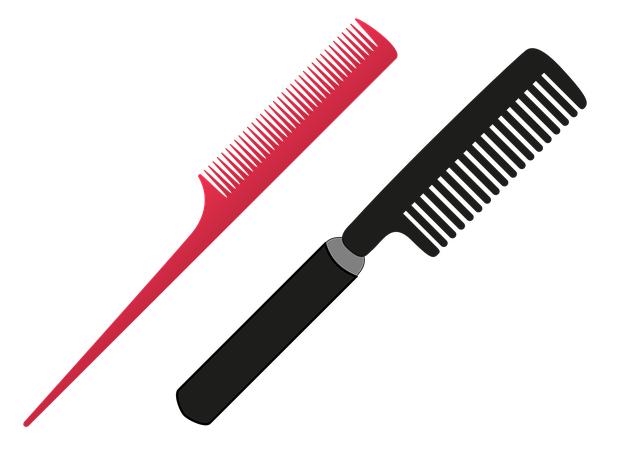
Understanding Heat Styling Tools and Their Impact on Hair
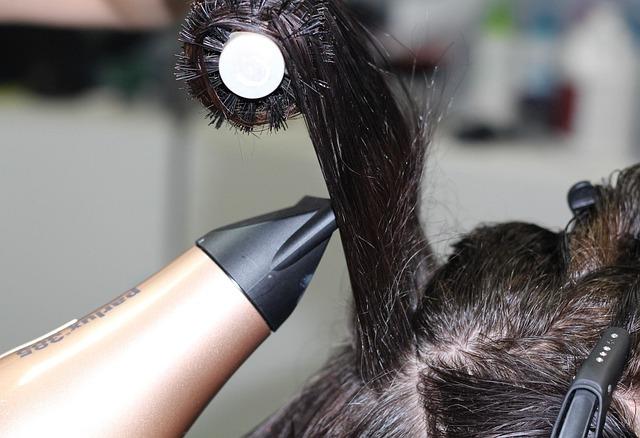
Heat styling tools like flat irons, curling wands, and blow dryers have become essential for achieving sleek, voluminous, or textured hair looks quickly. However, excessive or improper use can compromise hair’s natural integrity, making it dry, brittle, and prone to breakage. Each tool operates at different temperature ranges, and understanding how heat affects the hair cuticle is crucial. When heated beyond safe levels, the cuticle lifts and cracks, allowing moisture to escape and leaving hair vulnerable to damage.
To maintain hair health while enjoying the benefits of styling, adopting protective practices is key. Here are some effective strategies to minimize heat damage:
- Adjust Temperature Settings: Use the lowest effective heat to style your hair and avoid the highest temperature presets.
- Pre-Heat Protection: Always apply a heat protectant serum or spray to form a barrier against direct heat exposure.
- Limit Frequency: Give your hair breaks between heat styling sessions to allow natural recovery and moisture retention.
| Tool Type | Typical Temp Range | Best Use For |
|---|---|---|
| Flat Iron | 300°F – 450°F | Sleek, straight styles and smooth finishes |
| Curling Wand | 250°F – 400°F | Soft waves or tight curls, depending on barrel size |
| Blow Dryer | 140°F – 200°F | Quick drying with volume and shape |
Choosing the Right Heat Protectant for Your Hair Type
Understanding your hair type is the key to selecting a heat protectant that works effectively without weighing your locks down. For fine or thin hair, opt for lightweight, water-based serums or sprays that shield hair without causing greasiness or buildup. Those with curly or textured hair benefit from richer creams or oils enriched with moisturizing ingredients, helping to maintain curl definition while guarding against heat damage. If your hair is color-treated or chemically processed, look for protectants infused with antioxidants and UV filters to protect both your strands and your vibrant hue.
Here’s a quick guide to help you match your hair type with the perfect heat protectant style:
- Fine/Thin Hair: Lightweight sprays or mists
- Curly/Coarse Hair: Cream-based protectants or oils
- Dry/Damaged Hair: Repair serums with nourishing agents
- Color-Treated Hair: Protectants with UV protection and antioxidants
| Hair Type | Recommended Protectant | Key Ingredient |
|---|---|---|
| Fine/Thin | Heat Protectant Spray | Dimethicone |
| Curly/Coarse | Nourishing Cream | Shea Butter |
| Dry/Damaged | Repair Serum | Argan Oil |
| Color-Treated | UV Protective Mist | Vitamin E |

Techniques to Minimize Damage While Styling with Heat
To safeguard your locks from the harsh effects of heat styling, start with a thorough prep routine. Always apply a heat protectant spray or serum before switching on your tools. These products act like an invisible shield, taming frizz and forming a protective barrier that reduces moisture loss and breakage. Additionally, make it a habit to work with dry, clean hair—wet strands are more vulnerable and prone to damage when exposed to high temperatures.
Another key strategy is to adjust your styling tools to the lowest effective heat setting. Not all hair types require the same temperature; fine or color-treated hair benefits from cooler settings, while thicker hair might tolerate slightly higher heat. To help you select the right temperature, here’s a quick reference guide:
| Hair Type | Recommended Heat |
|---|---|
| Fine/Fragile | 250°F – 300°F |
| Normal/Medium | 300°F – 375°F |
| Thick/Coarse | 375°F – 410°F |
- Limit heat styling frequency to give hair recovery time.
- Use wide-tooth combs or brushes designed for heat styling to minimize pull.
- Incorporate deep conditioning treatments regularly to restore moisture and strength.
Post-Styling Care to Maintain Healthy, Radiant Hair
After using heat styling tools, your hair deserves some tender loving care to retain its natural glow and vitality. Begin by rinsing with cool water to seal the cuticles and lock in moisture, which helps prevent dryness and brittleness. Incorporate lightweight leave-in conditioners or serums enriched with antioxidants and nourishing oils — such as argan or jojoba — to replenish the hair’s protective barrier without weighing it down. Additionally, avoid excessive brushing or manipulation immediately post-styling to minimize breakage and maintain the smooth finish your heat tools created.
Balancing hair health and style is easier with a few mindful habits. Integrate the following into your routine for lasting vibrancy:
- Use a silk or satin pillowcase to reduce friction and split ends overnight.
- Limit washing to 2-3 times per week to sustain natural oils.
- Regularly trim split ends to encourage strong, healthy strands.
- Apply a weekly deep-conditioning mask to restore hydration.
| Post-Styling Step | Benefits | Recommended Products |
|---|---|---|
| Cool Water Rinse | Seals cuticles, preserves shine | None needed |
| Leave-In Serum | Restores moisture and smoothness | Argan oil serum, lightweight silicone-based formula |
| Silk/Satin Pillowcase | Reduces friction, prevents breakage | Any satin or silk pillowcase |
| Deep Conditioning Mask | Replenishes hydration and strength | Keratin or coconut oil masks |
Final Thoughts
In the world of hair heat styling, balance is key. By understanding the basics and embracing protective habits, you can enjoy the creativity and confidence that come with styled locks—without compromising hair health. Remember, keeping it easy doesn’t mean cutting corners; it means choosing gentle tools, using thoughtful techniques, and giving your hair the care it deserves. With these simple steps, your hair can stay strong, shiny, and ready for whatever style inspires you next. Heat styling isn’t just a routine—it’s an art, best mastered with mindfulness and a touch of kindness toward your strands.