

In a marketplace flooded with countless supplement options, the price tag alone rarely tells the whole story. Finding the best value isn’t just about spotting the lowest number but understanding what you’re truly paying for each dose. Enter the concept of cost per serving—a simple yet powerful tool that cuts through marketing fluff and packaging glitz to reveal the real worth of your purchase. This guide will walk you through how to compare supplements with a clear, practical lens, empowering you to make informed decisions that balance quality, quantity, and cost. Whether you’re a seasoned health enthusiast or just starting your wellness journey, mastering this approach can help you get the most out of every supplement dollar spent.
Understanding the True Cost Beyond the Price Tag
When evaluating supplement costs, it’s essential to look deeper than the sticker price. The true value lies in understanding what you’re actually getting for each dollar spent, which means considering factors like serving size, ingredient concentration, and absorption efficiency. A supplement with a higher upfront cost might offer better potency or include premium ingredients, ultimately reducing the number of servings you need. Meanwhile, cheaper options might seem appealing but may require larger quantities to achieve the same effect, leading to a higher overall expense.
Breaking down the cost per serving clarifies these differences and empowers smarter choices. Consider these key elements when comparing:
- Serving size consistency: Ensure the serving amounts are comparable across brands.
- Ingredient quality: Higher purity or bioavailability often justifies a steeper price.
- Additional benefits: Some supplements include synergistic vitamins or minerals that enhance efficacy.
| Brand | Price | Servings | Cost per Serving |
|---|---|---|---|
| PureLife | $40 | 60 | $0.67 |
| NutraMax | $30 | 30 | $1.00 |
| HealthPro | $25 | 50 | $0.50 |
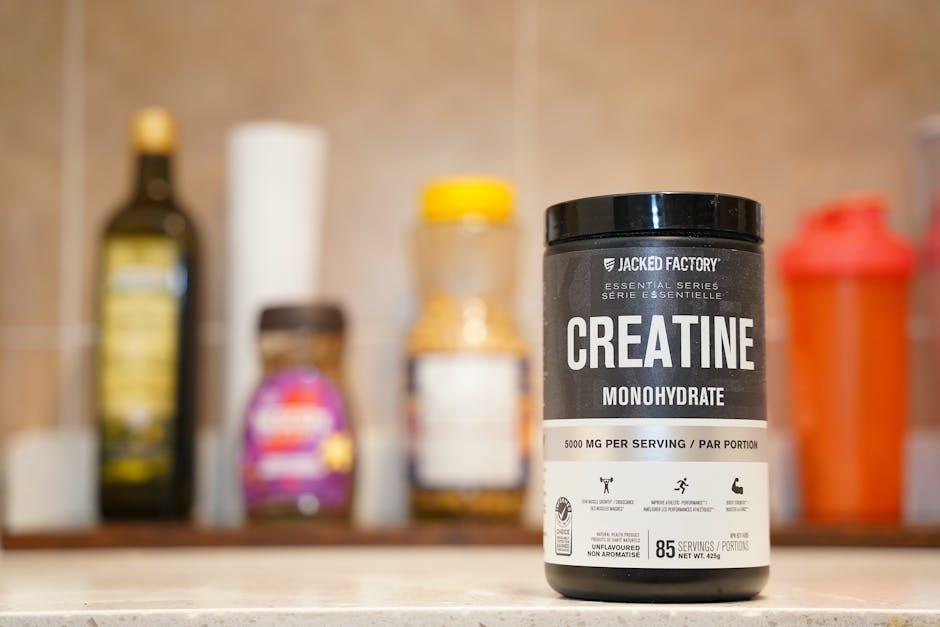
Breaking Down Serving Sizes for Accurate Comparisons
When evaluating supplements, understanding the nuances of serving sizes is crucial for making fair comparisons. It’s not uncommon for brands to advertise a “serving” that varies widely in weight or volume, which can skew the perceived value. To avoid this trap, focus on the actual amount of active ingredients per serving instead of relying solely on the packaging’s serving size. Keep in mind that a serving could be a single capsule, a scoop of powder, or even multiple tablets, so always check the label closely to ensure you’re comparing apples to apples. This attention to detail helps you avoid overspending on products that might seem cheaper but provide less nutritional bang for your buck.
Here’s a quick checklist to keep your comparisons sharp and accurate:
- Check the weight or volume of one serving (e.g., 5 grams, 2 capsules).
- Identify key active ingredients and their quantities per serving.
- Note the total number of servings per container to estimate cost per serving.
- Compare similar forms of supplements (powder vs. powder, capsules vs. capsules).
| Supplement | Serving Size | Active Ingredient | Qty per Serving |
|---|---|---|---|
| Protein Powder A | 30 g (1 scoop) | Protein | 25 g |
| Protein Powder B | 40 g (1 scoop) | Protein | 22 g |
| Protein Powder C | 35 g (1 scoop) | Protein | 30 g |
By breaking down serving sizes this way, you ensure your supplement comparisons reflect the true value offered, helping you make smarter purchasing decisions that match your nutritional needs and budget.
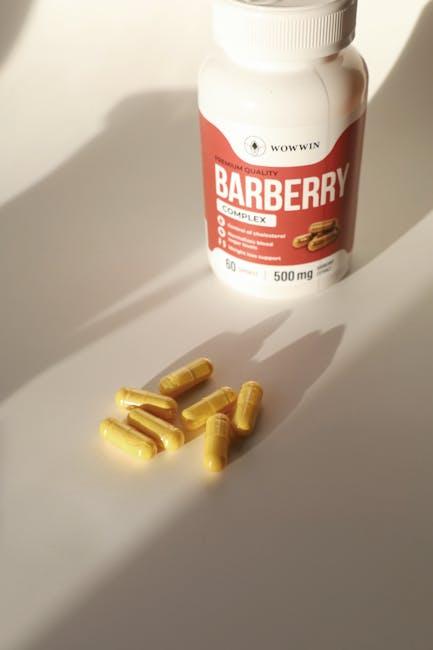
Evaluating Supplement Quality in Relation to Cost per Serving
When assessing supplements based on cost per serving, it’s crucial to balance price with product quality. A lower cost doesn’t always mean better value; ingredients, sourcing, and manufacturing standards play a pivotal role in the efficacy and safety of what you consume. Look beyond the price tag by examining key factors like bioavailability—the form in which nutrients are delivered—and certifications such as GMP (Good Manufacturing Practice) or third-party testing seals that indicate stringent quality checks.
Consider how the supplement’s ingredient list aligns with your specific health goals and nutritional needs. For example, two products might have similar costs per serving but differ vastly in potency or the presence of filler ingredients. Here’s a quick comparison to illustrate:
| Supplement | Cost per Serving | Key Ingredient | Bioavailability | Certifications |
|---|---|---|---|---|
| Alpha Boost | $0.75 | Magnesium Citrate | High | Third-Party Tested |
| NutraMax | $0.60 | Magnesium Oxide | Low | None |
In this example, while NutraMax is cheaper per serving, Alpha Boost’s use of a highly bioavailable ingredient and third-party testing may provide superior benefits, demonstrating that a direct cost comparison can be misleading without considering quality metrics.

Smart Shopping Tips to Maximize Value and Effectiveness
Begin by breaking down the price into cost per serving rather than looking at the sticker price alone. Supplements come in various bottle sizes and serving strengths, so a $30 bottle with 60 servings may actually be more economical than a $20 bottle with 30 servings. Use a simple formula: divide the total price by the number of servings. This helps you see the real value, enabling smarter decisions beyond marketing fluff.
Next, consider the effectiveness per dollar by assessing ingredient potency alongside cost. A cheaper supplement with half the active ingredient per serving may require double dosage for the desired effect — effectively inflating your spend. Here’s a quick reference to help with comparison:
| Supplement | Cost per Serving | Active Ingredient (mg) | Cost per mg Active Ingredient |
|---|---|---|---|
| Brand A | $0.50 | 500 | $0.001 |
| Brand B | $0.40 | 250 | $0.0016 |
| Brand C | $0.55 | 600 | $0.00092 |
- Check serving sizes to ensure you’re comparing apples to apples.
- Don’t skim ingredient labels — sometimes a higher cost per serving is justified by better quality or bioavailability.
- Factor in discounts or subscriptions for long-term savings.
Final Thoughts
In the end, understanding the cost per serving transforms the way we approach supplements—from a vague price tag to a clear measure of value. By breaking down expenses into bite-sized portions, you empower yourself to make smarter, more informed decisions that align with both your health goals and your budget. So next time you’re faced with a dizzying array of bottles and labels, remember: it’s not just about the upfront cost, but the true price of each serving that tells the full story. With this insight in hand, you can confidently navigate the supplement aisle and invest in wellness that truly adds up.