
In the quest for cleaner indoor air, choosing the right air purifier can feel like a delicate balancing act. Small air purifiers promise quiet operation and convenience, while larger models boast powerful airflow and robust filtration—but often at the cost of increased noise. This tradeoff between noise levels and airflow efficiency poses a common dilemma for those seeking comfort without compromise. Exploring the nuances of small versus large air purifiers reveals how size influences performance, noise, and ultimately, the quality of the air we breathe.
Understanding Noise Levels in Small and Large Air Purifiers
When it comes to the hum of an air purifier, size plays a crucial role in determining noise output. Typically, small air purifiers operate at lower decibel levels, making them excellent choices for bedrooms, offices, or quiet spaces where minimal disturbance is essential. However, their compact fans often need to work harder to circulate air efficiently, which can sometimes produce a noticeable buzz at higher settings. Conversely, large air purifiers usually have more powerful motors and larger fans that move greater volumes of air with less strain, potentially reducing noise compared to a small unit working at full throttle. Yet, these bigger machines might still emit a consistent sound that some find distracting over extended periods.
To better understand how noise compares across common models, consider the following overview:
| Purifier Size | Average Noise Level (dB) | Airflow (CFM) | Optimal Usage |
|---|---|---|---|
| Small | 25-40 | 50-150 | Personal rooms, desktops |
| Large | 35-55 | 200-400 | Living spaces, open-plan areas |
- Small units: quieter at low speeds but can become noticeably louder when maximizing airflow.
- Large units: may generate a steadier noise level but do so without pushing fans to uncomfortable thresholds.
In essence, the tradeoff between noise and airflow is a delicate balance. Understanding these nuances will help you choose the right purifier that complements your living environment while maintaining a comfortable soundscape.
Evaluating Airflow Efficiency Across Different Air Purifier Sizes
When comparing air purifiers of various sizes, one of the most critical factors to consider is how efficiently they move air throughout a room. Smaller units often prioritize portability and compactness, which means their fans are usually less powerful, resulting in lower airflow rates. While this design inherently generates less noise, it can also limit the purifier’s ability to circulate and cleanse larger spaces effectively. Conversely, larger air purifiers boast higher cubic feet per minute (CFM) ratings, pushing more air through filters and ensuring a cleaner environment faster, but this boost in performance often comes with an increase in operational noise levels.
Understanding the tradeoffs helps consumers make informed decisions based on their specific needs. Below is a comparison table illustrating typical airflow efficiency and noise levels across different purifier sizes:
| Purifier Size | Airflow (CFM) | Noise Level (dB) | Optimal Room Size |
|---|---|---|---|
| Small | 80-120 | 25-35 | Up to 200 sq ft |
| Medium | 150-250 | 35-50 | 200-400 sq ft |
| Large | 300-500 | 45-60 | 400+ sq ft |
- Small purifiers: Ideal for bedrooms or offices where quiet operation is a priority over rapid air exchange.
- Large purifiers: Best suited for open spaces demanding swift and thorough air filtration, accepting a moderate noise increase.
Balancing Sound Comfort with Purification Performance
Achieving the perfect equilibrium between sound comfort and purification efficiency often feels like walking a tightrope. Smaller air purifiers tend to operate at lower noise levels, making them ideal for bedrooms, offices, or quiet spaces where distractions must be kept minimal. However, their compact design limits airflow capacity, meaning they might need to run at higher speeds longer to achieve the same level of purification, potentially increasing noise over time. Conversely, larger units can process air more quickly and usually maintain cleaner air faster, but this power often comes with a constant hum or occasional fan bursts that can disrupt peaceful environments.
When deciding between size and sound, it helps to consider a few crucial factors:
- Room Size: Larger units suit expansive areas but might be noisy for small rooms.
- Noise Tolerance: Sensitive users might prioritize quieter models over rapid purification.
- Operational Modes: Devices with multiple speed settings allow balancing volume and performance.
| Unit Size | Average Noise Level (dB) | Airflow Rate (CFM) | Best Use Case |
|---|---|---|---|
| Small | 25-35 | 50-100 | Bedrooms, desks |
| Large | 40-55 | 150-300 | Living rooms, open spaces |
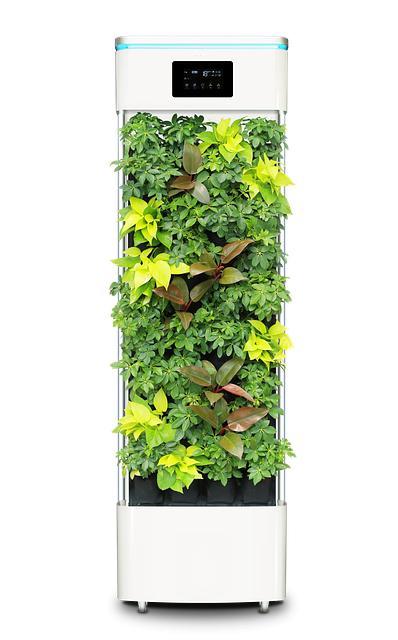
Choosing the Right Air Purifier Size for Your Space and Needs
Finding an air purifier that fits your space perfectly means balancing airflow capacity with noise levels. Smaller units excel in compact rooms where subtle operation is key, producing minimal noise but delivering limited airflow. Large air purifiers, meanwhile, dominate bigger spaces with robust airflow, effectively circulating and cleansing air at a faster rate but often at the cost of increased sound. When assessing your space, consider factors like room size, ceiling height, and typical occupant activity—each influences how much clean air is needed and how much background noise is acceptable.
Here’s a simple checklist to guide your decision:
- Room Size: Small purifiers for spaces under 200 sq. ft.; large units for rooms exceeding 300 sq. ft.
- Noise Sensitivity: Bedrooms or offices may demand quieter models.
- Air Quality Needs: Allergy sufferers might prioritize stronger airflow over quiet operation.
| Room Size | Recommended Purifier Size | Noise Level |
|---|---|---|
| Up to 150 sq. ft. | Small | Low |
| 150 – 300 sq. ft. | Medium | Moderate |
| 300+ sq. ft. | Large | High |
In Summary
In the end, choosing between a small or large air purifier is a balancing act—a dance between the whisper of quiet operation and the powerful rush of fresh airflow. While compact models promise subtlety and serenity, larger units deliver robust purification that moves air more vigorously. Your ideal pick hinges on where you draw the line: is a peaceful environment your priority, or is a breath of thoroughly cleansed air worth a little extra background hum? Understanding this tradeoff empowers you to tailor the air you breathe to your lifestyle, creating a space that truly feels like home.