
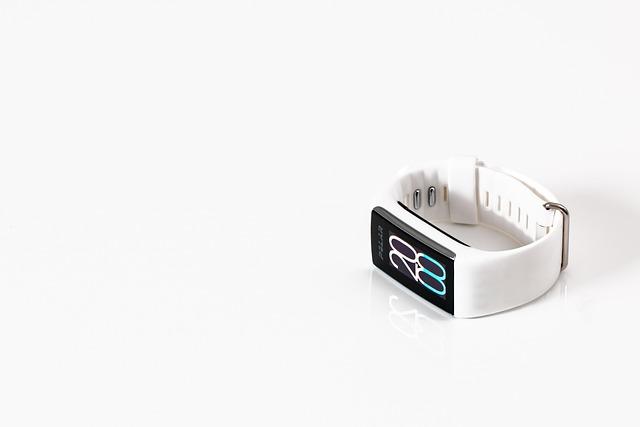
In a world that’s constantly on the move, keeping tabs on our health and daily activity has become more than just a trend—it’s a lifestyle. Enter two popular companions on this journey: the smartwatch and the fitness tracker. Both promise to boost your wellness game, yet each comes with its own unique set of features, strengths, and quirks. So, when it comes to choosing the best wearable for most people, which one truly takes the crown? Let’s unpack the essentials, weigh the pros and cons, and find out which device fits seamlessly into the rhythm of everyday life.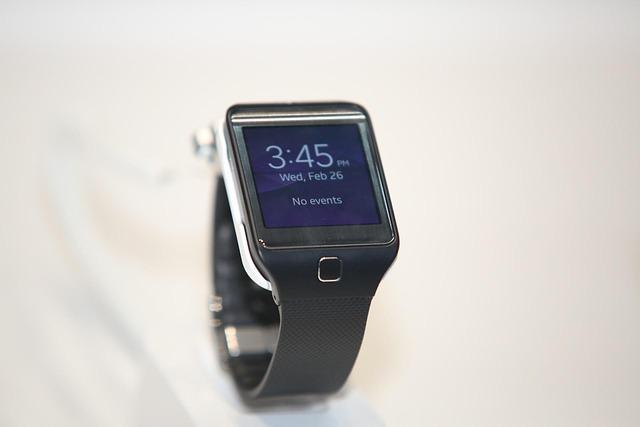
Choosing the Right Device for Your Lifestyle and Goals
When deciding between a smartwatch and a fitness tracker, it’s crucial to reflect on what you really want to achieve and how you plan to integrate the device into your daily routine. If your priority is monitoring health metrics like heart rate, sleep stages, and step counts with straightforward accuracy, a fitness tracker excels in providing these insights without overwhelming you with extras. These devices typically boast longer battery life and a more compact design, perfect for those who want consistent data without the need to constantly recharge or manage a bulky gadget on their wrist.
On the other hand, if you’re looking for a multifunctional companion that blends fitness tracking with communication, entertainment, and smart home integration, a smartwatch may be the better match. Imagine controlling your music, receiving calls, or navigating your route, all while keeping tabs on your workout. Here’s a quick look at how each fits with lifestyle and goals:
| Aspect | Fitness Tracker | Smartwatch |
|---|---|---|
| Battery Life | Up to 2 weeks | 1-3 days |
| Design | Lightweight & slim | Chunkier, versatile faces |
| Functionality | Health-focused metrics | Smart notifications + apps |
| Best For | Pure fitness enthusiasts | Tech-savvy multitaskers |
Delving into Features and Performance: What Sets Them Apart
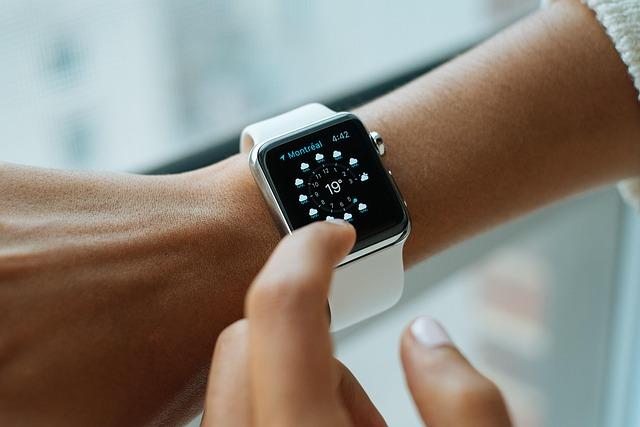
When it comes to features, smartwatches offer a robust, all-in-one experience that goes beyond simple activity tracking. They boast customizable watch faces, integration with third-party apps, and support for notifications such as calls, messages, and calendar alerts. Many models also include advanced sensors like GPS, ECG, and even blood oxygen monitoring, transforming your wrist into a versatile hub for both fitness and everyday life. On the other hand, fitness trackers specialize in delivering precise health and exercise data with minimal distractions, focusing on core metrics such as steps, heart rate, sleep stages, and workout duration. Their simplistic interface and lightweight design cater to users who want a dedicated, unobtrusive fitness companion without the bells and whistles.
Performance-wise, the battery life is where fitness trackers often shine, lasting up to two weeks or more on a single charge, compared to smartwatches which typically need daily or every-other-day recharging due to their vibrant displays and multifaceted functions. Below is a quick comparison to illustrate key aspects:
| Feature | Smartwatch | Fitness Tracker |
|---|---|---|
| Battery Life | 1-3 days | 7-14+ days |
| Health Monitoring | Advanced (ECG, SpO2) | Basic + heart rate |
| Notifications | Yes (Calls, Messages) | Limited or None |
| Display | Full-color, Interactive | Monochrome or basic LCD |
| Weight | Heavier due to hardware | Lighter, compact design |
- Smartwatches suit those wanting a multifunctional device that bridges fitness, communication, and lifestyle.
- Fitness trackers appeal to users prioritizing simplicity, long battery life, and focused fitness data.
Battery Life and Durability Considerations for Everyday Use
When it comes to staying powered throughout the day, fitness trackers often lead the pack. Thanks to their minimalist displays and streamlined features, these devices can stretch battery life to a week or more, perfect for those who prioritize longevity over flashy functions. In contrast, smartwatches, packed with vibrant screens, apps, and constant connectivity, generally need daily charging. This trade-off means users must decide between the convenience of extended battery life and the rich functionality offered by smartwatches.
Durability is another essential factor for daily wearables. Fitness trackers typically feature compact, sweat-resistant designs built to endure rigorous workouts and rough outdoor activities. Many smartwatches, while robust, often come with more delicate components like touchscreens that might not fare as well in extreme conditions without additional care. Here’s a quick comparison to illustrate these points:
| Feature | Fitness Tracker | Smartwatch |
|---|---|---|
| Average Battery Life | 5-14 days | 1-2 days |
| Water & Sweat Resistance | High | Moderate to High |
| Screen Protection | Basic | Advanced Gorilla Glass |
| Weight & Bulk | Lightweight & Slim | Heavier & Larger |
Expert Recommendations Based on Health and Connectivity Needs
When deciding between a smartwatch and a fitness tracker, it’s crucial to align your choice with your primary health objectives and connectivity preferences. For individuals prioritizing seamless communication and daily productivity, smartwatches excel. They offer a full suite of apps, on-wrist notifications, and even voice assistants to keep you connected without reaching for your phone. Conversely, if your focus is laser-sharp on fitness metrics — such as heart rate variability, sleep quality, and activity tracking — a fitness tracker reigns supreme. These devices often boast longer battery life and streamlined designs tailored to rigorous physical activity.
Experts suggest considering these key factors before making a choice:
- Health Monitoring Needs: Do you want advanced biometrics like ECG or just step counts?
- Connectivity Level: Are you looking for standalone functionality or phone-dependent features?
- Battery Life: How many days without charge fits your lifestyle?
- Design & Comfort: Would you wear it all day, including during sleep?
| Feature | Smartwatch | Fitness Tracker |
|---|---|---|
| Call/Message Alerts | ✔️ Full interaction | ✔️ Limited notifications |
| Heart Rate Monitoring | ✔️ Advanced sensors | ✔️ Accurate and consistent |
| Battery Life | 1-3 days | 5-14 days |
| Sleep Tracking | Basic to advanced | Highly detailed |
Future Outlook
In the end, choosing between a smartwatch and a fitness tracker comes down to what matters most in your daily routine. If you crave a blend of style, smart features, and health monitoring all in one wrist companion, a smartwatch might just be your perfect match. On the other hand, if focused fitness tracking with simplicity and battery longevity is your priority, a dedicated fitness tracker could serve you better. Whichever path you take, both devices offer valuable insights and encouragement to help you move toward a healthier, more connected lifestyle. After all, the best gadget is the one that seamlessly fits into—and enhances—your unique journey.