

In the realm of fitness accessories and everyday essentials, resistance bands have carved out a significant niche, offering versatility and convenience in one compact package. Among the many options available, fabric bands and latex bands stand out as popular choices, each boasting unique qualities that cater to different preferences and needs. When it comes to practical concerns like how easily they roll up for storage and their overall durability, the differences become even more pronounced. This article delves into the intriguing comparison between fabric bands and latex bands, exploring how their material makeup influences their roll-up behavior and long-term resilience—helping you make an informed choice for your next workout or daily routine.
Fabric Bands and Latex Bands Unraveled Exploring Material Composition and Flexibility
When it comes to flexibility and comfort, fabric bands shine in environments where breathability and gentle stretch are priorities. Crafted from woven or knitted textiles, these bands offer a supple tactile experience that molds effortlessly to the contours of the wearer’s wrist or limb. Their material composition incorporates natural fibers like cotton and synthetic blends such as nylon or polyester, which together balance strength with elasticity. Notably, fabric bands tend to showcase a remarkable capacity for rolling up compactly without kinking, making them ideal for activities demanding rapid, seamless adjustment.
On the flip side, latex bands stand out for their superior elasticity and resilience. Made from natural or synthetic rubber, latex exhibits an inherent stretchiness that can snap back into shape without permanent deformation. However, this pliability comes with a caveat: excessive rolling or folding over repeated uses can induce stress points, potentially reducing lifespan. Below is a concise comparison highlighting key aspects of these materials:
| Feature | Fabric Bands | Latex Bands |
|---|---|---|
| Material Composition | Cotton, Nylon, Polyester | Natural/Synthetic Rubber |
| Flexibility | Moderate stretch with soft give | High elasticity with snap-back |
| Roll-Up Behavior | Smooth, compact without creasing | Can develop stress creases over time |
| Durability | Good resistance to wear; prone to frays | Highly durable but sensitive to UV and oils |
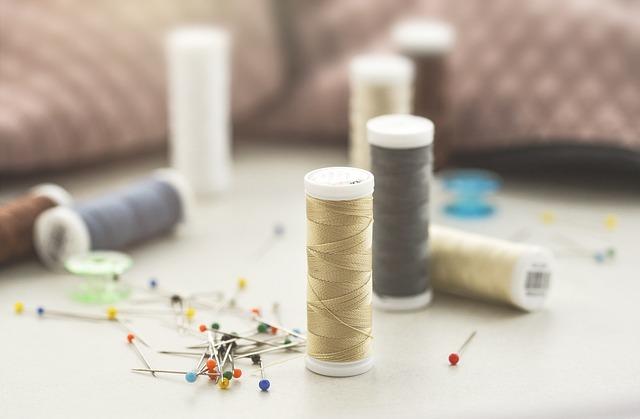
The Roll-Up Factor How Fabric and Latex Bands Respond to Folding and Storage
When it comes to rolling up resistance bands for storage or transport, fabric and latex materials demonstrate notably different behaviors. Fabric bands tend to retain their shape better, unfolding smoothly without significant creases or stress points. This resilience is largely due to the woven fibers that provide a natural stiffness, preventing tight, damaging folds. On the other hand, latex bands, being highly elastic, are more prone to developing permanent creases or weak spots when rolled too tightly or stored improperly. Their roll-up flexibility is excellent — they can wrap into compact shapes easily — but this elasticity comes with the trade-off of potential material fatigue over time if repeatedly folded in the same manner.
Storage methods also influence how these bands hold up. Fabric bands benefit from looser and flatter storage, while latex bands often require more careful handling to avoid excessive stretch or nicks. Here’s a quick comparison of how both respond during roll-up and storage:
- Fabric Bands: Retain shape well, resist creases, preferred flat or loosely rolled storage.
- Latex Bands: Highly flexible, compact roll-up possible, but prone to material fatigue with tight folds.
- Durability Tip: Avoid folding latex bands repeatedly along the same crease to prolong lifespan.
| Feature | Fabric Bands | Latex Bands |
|---|---|---|
| Roll-Up Shape | Maintains rounded form | Compact, flexible coil |
| Crease Resistance | High resistance | Low resistance |
| Storage Recommendation | Loose roll or flat | Gentle roll avoiding sharp folds |
| Long-Term Durability | High | Moderate; sensitive to folding |
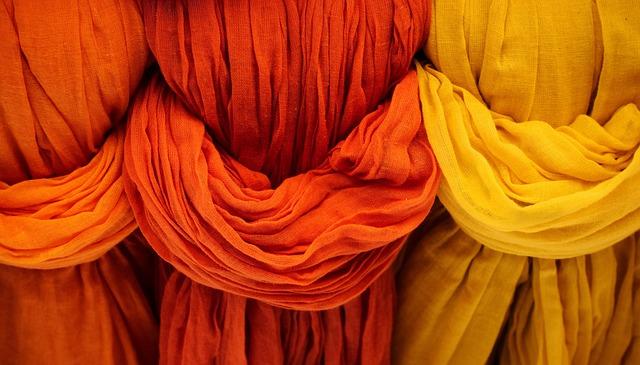
Durability Showdown Assessing Wear Resistance and Longevity in Daily Use
When it comes to withstanding the rigors of daily wear, fabric bands excel with their innate flexibility and breathable nature. These bands often boast tightly woven materials that resist fraying and deforming even after countless roll-ups and stretches. Their surface tends to hide minor scuffs, making them a favorite for active users who need a strap that maintains aesthetic appeal over time. Additionally, fabric bands offer natural moisture-wicking properties, which help reduce odor build-up and bacterial growth, contributing to a fresher feel throughout extended use.
Latex bands, on the other hand, bring a different set of strengths to the table. Their smooth, elastic composition allows for easy rolling and snug fit persistence even after repetitive twisting. However, latex can be prone to surface cracking and discoloration if exposed to UV light or harsh chemicals frequently. These bands are highly water-resistant and clean quickly, but their wear resistance depends heavily on proper care. For many, it’s the balance between latex’s resilient stretch and potential surface degradation that defines their lifespan relative to fabric counterparts.
- Fabric: Breathability, fray resistance, odor control
- Latex: Elasticity, water resistance, susceptibility to cracking
- Both: Ease of roll-up, cleaning methods, color retention
| Feature | Fabric Bands | Latex Bands |
|---|---|---|
| Roll-Up Flexibility | High elasticity without permanent creases | Excellent stretch but may crease over time |
| Wear & Tear Resistance | Strong against abrasion, minimal fraying | Durable but prone to cracking and discoloration |
| Maintenance | Requires gentle washing, dries quickly | Easy cleaning, avoid harsh chemicals |
| Longevity | Typically longer with proper care | Moderate, dependent on use and environmental exposure |
Choosing the Right Band Tailored Recommendations Based on Activity and Comfort Preferences
When selecting the perfect band for your lifestyle, it’s essential to consider how your daily activities align with the material’s performance and comfort. Fabric bands excel in breathability and flexibility, making them ideal for those engaged in moderate physical activities, office work, or casual outings. Their lightweight nature ensures minimal skin irritation even during extended wear. However, if you’re frequently exposed to water or sweat, fabric can absorb moisture, requiring regular washing to maintain freshness and avoid discomfort.
On the other hand, latex bands offer superior durability and water resistance, thanks to their synthetic composition. They’re perfect for swimmers, runners, or anyone who needs a resilient band that can withstand heavy sweat and various weather conditions. Yet, some users may find latex less breathable, which might cause discomfort during prolonged use. Below is a comparison table summarizing these key points to guide your choice:
| Feature | Fabric Bands | Latex Bands |
|---|---|---|
| Breathability | High | Moderate |
| Water Resistance | Low | High |
| Durability | Moderate | High |
| Comfort during extended wear | Excellent | Good |
| Maintenance | Requires regular washing | Easy to clean |
To Wrap It Up
In the end, choosing between fabric bands and latex bands boils down to your priorities—whether it’s the gentle versatility and lasting comfort of fabric or the high elasticity and compact roll-up convenience of latex. Each material carries its own strengths and quirks, shaping how they respond to wear, stretch, and the test of time. By understanding these nuances, you can pick the band that not only meets your functional needs but also stands up to the durability you expect. After all, the perfect band is the one that rolls with your rhythm, workout after workout.