

Retinol has long been celebrated as a powerhouse ingredient in the world of skincare, renowned for its ability to smooth wrinkles, even out skin tone, and boost cell turnover. Yet for those with reactive or sensitive skin, this miracle worker often comes with a catch: irritation, redness, and discomfort. If you’ve found yourself hesitant to embrace retinol’s benefits due to these challenges, you’re not alone. Fortunately, the skincare landscape is evolving, offering a range of gentler, comfort-focused alternatives that deliver skin-renewing results without the harsh side effects. In this article, we’ll explore some of the best retinol alternatives designed specifically for reactive skin—solutions that prioritize soothing care while still helping you achieve that healthy, glowing complexion.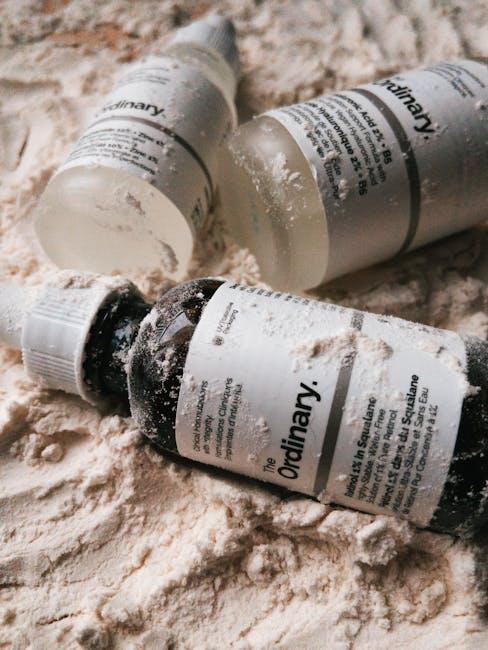
Understanding Reactive Skin and Why Retinol Can Be Harsh
Reactive skin is a delicate canvas, often characterized by redness, itching, burning, or sudden flare-ups triggered by environmental or skincare factors. The skin’s barrier is compromised or overly sensitive, making it prone to irritation with products that contain potent active ingredients. Retinol, despite its acclaim for anti-aging benefits, can exacerbate these symptoms because it accelerates cell turnover and can strip away the natural oils that keep the skin calm and hydrated. This process, while beneficial for many, may overwhelm sensitive skin, leading to discomfort rather than improvement.
Understanding why retinol behaves this way is key to finding gentler alternatives. Retinol works by stimulating cellular renewal, but this activity can disrupt the fragile balance of moisture and lipids in reactive skin. This often results in dryness, redness, peeling, and sensitivity. For those with reactive skin, opting for ingredients that promote hydration and barrier repair without aggressive exfoliation is essential. Here is a glance at what contributes to retinol’s intensity and why mitigating these effects might require a different approach:
| Factor | Impact on Reactive Skin |
|---|---|
| Increased Cell Turnover | Strips natural oils; leads to dryness and irritation. |
| Size of Retinol Molecule | Small enough to deeply penetrate; can overwhelm sensitive layers. |
| Exfoliating Properties | Can cause redness and peeling in compromised skin. |
| Acidic Formulation | Potentially lowers skin pH, triggering discomfort. |

Soothing Ingredients That Deliver Results Without Irritation
When seeking gentle yet effective skincare, certain botanicals and compounds shine as heroes for sensitive complexions. Ingredients like niacinamide and bakuchiol work harmoniously to refine skin texture and promote cellular turnover without the harsh side effects of traditional retinol. Niacinamide boosts the skin’s barrier function, reducing redness and calming irritation, while bakuchiol, derived from the babchi plant, offers antioxidant benefits alongside anti-aging effects similar to retinol, but with a much softer touch.
Incorporating soothing elements such as centella asiatica and squalane can further enhance comfort and hydration, lifting stressed skin from within. These ingredients not only reduce inflammation but also support the skin’s natural healing processes, making them ideal for reactive skin types looking to see real improvement without sacrifice.
| Ingredient | Benefit | Why It’s Gentle |
|---|---|---|
| Niacinamide | Strengthens barrier & fades discoloration | Non-irritating, anti-inflammatory |
| Bakuchiol | Promotes cell renewal & smooths texture | Plant-based retinol alternative |
| Centella Asiatica | Soothes inflammation & heals skin | Rich in calming compounds |
| Squalane | Deep hydration & prevents dryness | Mimics skin’s natural oils |

Gentle Yet Effective Retinol Alternatives to Try Today
For those with sensitive or reactive skin, finding a retinol alternative that delivers transformative results without the unwanted irritation can feel like a balancing act. Fortunately, science and nature have teamed up to offer several gentle yet potent options. Ingredients such as bakuchiol and squalane provide antioxidant benefits and cellular turnover support while maintaining your skin’s natural barrier. These alternatives are becoming favorites because they nurture your skin’s health without the dryness or redness often associated with traditional retinol, making daily skincare a soothing ritual rather than a challenge.
Below is a quick comparison of some popular gentle retinol substitutes to consider. Incorporating these ingredients into your routine can be a game-changer for reactive skin types looking for improvement in texture, tone, and brightness without sacrificing comfort.
| Ingredient | Primary Benefit | Best For | Typical Sensation |
|---|---|---|---|
| Bakuchiol | Stimulates collagen & brightens | All skin types, especially sensitive | Soothing, non-irritating |
| Polyhydroxy Acids (PHAs) | Gentle exfoliation & hydration | Reactive, dry skin | Light, hydrating |
| Niacinamide | Reduces inflammation & strengthens barrier | Redness-prone & reactive skin | Calming, balancing |
| Squalane | Moisturizes & protects skin | Dehydrated, sensitive skin | Light, non-greasy |
- Bakuchiol—often dubbed “nature’s retinol”—mimics retinol’s effects without oxidative stress or peeling.
- PHAs gently exfoliate while boosting moisture retention, ideal for reactive textures.
- Niacinamide reduces redness and fortifies your skin’s natural defenses.
- Squalane seals in hydration and shields the skin from environmental aggressors.

Tailoring Your Skincare Routine for Comfort and Radiance
Finding the perfect balance between effectiveness and gentleness is key when nurturing sensitive or reactive skin. Instead of aggressively pushing your skin barrier, consider embracing ingredients renowned for their soothing and restorative properties. Incorporating hydrating elements like hyaluronic acid and antioxidant-rich botanical extracts can significantly enhance comfort while promoting a healthy, luminous complexion. Layering these components alongside mild exfoliants such as polyhydroxy acids (PHAs) helps to gently refine skin texture without triggering irritation, setting a foundation for natural radiance.
Customizing your routine also means paying attention to application techniques and timing to maximize benefits without discomfort. Here’s a simple framework to guide your comfort-driven skincare ritual:
- Start slow: Introduce new products gradually to allow your skin to adjust.
- Hydrate first: Apply serums and moisturizers to replenish moisture before any active ingredients.
- Sun protection: Use broad-spectrum SPF daily to prevent sensitivity triggered by UV exposure.
- Listen to your skin: If redness or stinging appears, pause treatments and focus on restoration.
| Ingredient | Benefit | Recommended Use |
|---|---|---|
| Bakuchiol | Gentle retinol alternative, antioxidant | Nightly, after cleansing |
| Polyhydroxy Acids (PHAs) | Mild exfoliation, boosts hydration | 2-3 times per week |
| Centella Asiatica | Calms redness, supports skin barrier | Daily, as a serum or moisturizer |
Future Outlook
Finding the perfect skincare routine for reactive skin doesn’t mean you have to forgo the benefits of retinol altogether. With a thoughtful selection of gentler, comfort-focused alternatives, you can nurture your skin’s health while minimizing irritation. Whether you opt for bakuchiol, azelaic acid, or other soothing options, the key lies in listening to your skin’s unique needs and responding with care. Embracing these alternatives opens the door to glowing, resilient skin without compromise—proving that effective skincare can also be kind.