

When it comes to boosting your daily dose of vitamin C, the choice often comes down to two popular formats: gummies and powders. Both offer convenient ways to supplement this essential nutrient, but beneath their sweet and tangy appeal lies a subtle battle of sugar content and overall value. Are those chewy, colorful gummies worth the extra sweetness, or does the unassuming powder hold the key to a smarter, more economical choice? In this article, we’ll peel back the layers to compare vitamin C gummies and powders, focusing on their sugar levels and cost-effectiveness—helping you make a well-informed decision for your health and wallet alike.
Understanding Sugar Content Differences in Vitamin C Gummies and Powder
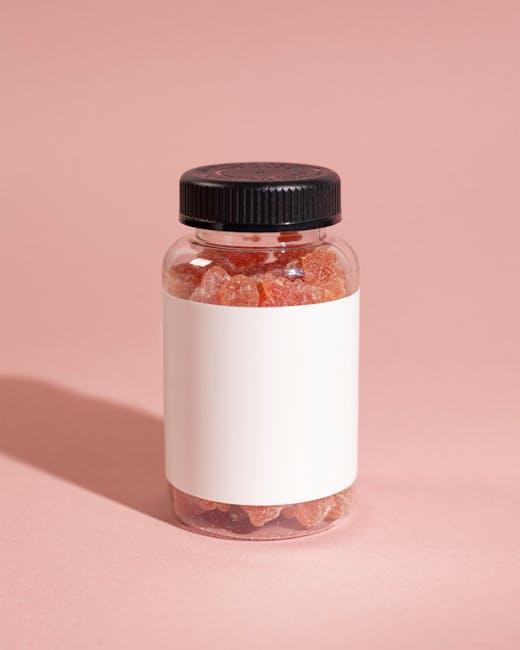
When comparing the sugar content in vitamin C gummies and powders, one of the most striking differences lies in formulation and intended consumption experience. Gummies often contain added sugars and sweeteners, designed to enhance taste and texture, making them appealing especially to those who dislike swallowing pills. On the other hand, vitamin C powders, typically mixed with water or smoothies, usually have little to no added sugars, allowing for a more controlled intake of both vitamin C and sugar levels. This inherent variation means that while gummies provide convenience and flavor, they might contribute to higher daily sugar consumption depending on the brand and dosage.
Here’s a quick comparison to highlight the typical sugar range you might find in each form:
| Vitamin C Form | Average Sugar Content (per serving) | Additional Sweeteners |
|---|---|---|
| Gummies | 2-4 grams | Yes (often fructose, corn syrup, or stevia) |
| Powder | 0-0.5 grams | Rarely, mostly flavor enhancers like citric acid |
Understanding these differences can help you decide which vitamin C supplement aligns better with your dietary goals. If minimizing sugar intake is a priority, powders generally offer a cleaner profile without sacrificing potency. However, for those who value taste and ease, gummies provide a sweet treat with a vitamin boost—just be mindful of the extra sugars hidden within.
Evaluating Cost Efficiency and Nutritional Value of Gummies Compared to Powder
When comparing cost efficiency between vitamin C gummies and powders, it becomes clear that each form brings unique advantages. Gummies often come at a higher price point per serving, primarily due to added ingredients such as sweeteners, flavors, and the convenience of ready-to-consume formats. On the other hand, powders tend to offer more milligrams of vitamin C per dollar, making them a cost-effective choice for those who prioritize pure nutrient content without the extras. However, gummies’ price premium can sometimes be justified by their palatability and easier dosage control, especially for children or adults who dislike swallowing pills or measuring powder.
Nutritionally, gummies often include additional elements like sugar, gelatin, and sometimes artificial colors, which can impact overall health goals. Powders, by contrast, typically contain fewer additives and allow users to customize their intake more precisely by adjusting serving sizes or mixing with other nutritious ingredients. Below is a simple comparison that highlights the key factors affecting both forms from a cost and nutritional perspective:
| Aspect | Vitamin C Gummies | Vitamin C Powder |
|---|---|---|
| Average Cost per 1000 mg Vitamin C | $0.30 – $0.50 | $0.10 – $0.25 |
| Added Sugars | Yes, 2-4g per serving | Typically none |
| Additional Ingredients | Flavors, gelatin, colors | Mostly pure ascorbic acid |
| Convenience | Ready-to-eat, pre-measured | Requires mixing, flexible dosing |
- Powders excel in cost-efficiency and purity, ideal for budget-conscious users and those avoiding added sugars.
- Gummies provide convenience and taste appeal but may introduce additional sugars and additives that affect overall nutritional value.
How Dosage Flexibility Influences Your Vitamin C Choice
When it comes to tailoring your Vitamin C intake, powder options offer unmatched control. You can measure out exactly how much you want—whether it’s a subtle boost or a high-dose therapeutic amount—making it ideal for those who prefer customizing their daily regimen. This precise adjustment helps you avoid overconsumption and align with your specific health goals without being locked into a fixed dose. Plus, powders typically blend seamlessly into smoothies, juices, or even water, adding convenience without compromising taste.
On the flip side, gummies provide a pre-measured dose that’s easy to remember and consume on the go. This simplicity can be appealing for busy lifestyles or for those who dislike handling powders and measuring spoons. However, with gummies, you’re generally limited to a set amount per piece, making it tough to scale your intake up or down without popping multiple gummies—which can add to both sugar content and cost.
- Powder: Adjustable doses, versatile mixing
- Gummies: Convenient, consistent dosing
- Consider: Your lifestyle and dosage preferences before choosing
| Form | Typical Dose | Flexibility |
|---|---|---|
| Powder | 100mg – 1000mg+ | High |
| Gummies | 50mg – 250mg | Low |
Expert Recommendations for Selecting the Right Vitamin C Supplement
When choosing a vitamin C supplement, it’s essential to look beyond marketing and focus on the quality of ingredients and your personal health goals. Gummies often appeal due to their taste and convenience, but watch out for added sugars or artificial sweeteners, which can diminish the overall health benefits. On the other hand, powder supplements usually allow for more flexible dosing and may contain fewer fillers. Consider how much daily vitamin C you need, as well as whether you prefer a chewable or mixable option, to find the best fit for your lifestyle.
Below is a quick comparison to help weigh the advantages based on common factors:
| Factor | Vitamin C Gummies | Vitamin C Powder |
|---|---|---|
| Sugar Content | Often contains 2-4g sugar per serving | Typically sugar-free |
| Dosage Flexibility | Fixed per gummy | Easily adjustable with scoops |
| Ease of Use | Ready-to-eat, portable | Requires mixing with liquid |
| Additional Ingredients | May contain flavorings & colors | Often purer formulations |
Ultimately, the decision hinges on balancing taste preferences, dietary restrictions, and convenience. If sugar intake is a concern, powders with no added sweeteners might serve better. Conversely, if you often skip traditional supplements due to taste, gummies provide a more enjoyable way to stay consistent. Always check labels for ingredient transparency and consult with a healthcare professional when incorporating new supplements into your regimen.
In Summary
In the end, whether you reach for a tangy gummy or a versatile powder, understanding the nuances of sugar content and overall value helps you make a choice that suits both your palate and your priorities. Vitamin C comes in many forms, each with its own trade-offs—gummies offer convenience and taste, while powders often provide flexibility and cost-effectiveness. By weighing these factors carefully, you can find the perfect way to boost your daily wellness without compromising on what matters most to you. After all, the best supplement is the one that fits seamlessly into your life and keeps you feeling your brightest.