
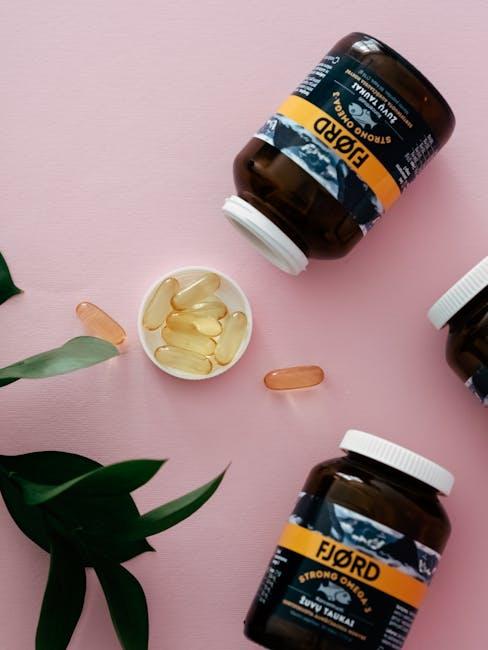
In the vast sea of dietary supplements, omega-3 fish oil has earned a prominent place, praised for its potential benefits to heart, brain, and joint health. Yet, for many, the experience of taking these capsules is shadowed by unwelcome aftertastes, strong odors, and varying capsule qualities that can affect daily use. This article dives beneath the surface to test and analyze popular omega-3 fish oil products, exploring the notorious “burp factor,” the lingering smell, and the overall quality of the capsules. By shedding light on these practical aspects, we aim to help you navigate the choices and find a supplement that’s as pleasant to take as it is beneficial to your well-being.
Omega-3 Fish Oil Burp Factor Explored How Formulation Affects Aftertaste
The notorious “fish burp” often associated with omega-3 supplements is more than just an inconvenience—it’s a primary factor influencing user satisfaction and consistent use. Interestingly, the formulation of the fish oil plays a crucial role in how frequently and intensely this aftertaste manifests. For example, triglyceride-based oils tend to have a smoother digestion process, reducing reflux and minimizing aftertaste, whereas ethyl ester forms are more prone to causing unpleasant burps. Additionally, innovative formulations incorporating natural flavor masking agents or delayed-release capsules have shown promise in significantly diminishing this effect. Consumers aiming to avoid the fishy aftertaste should consider these formulation nuances before making a purchase.
To better understand the impact of formulation on aftertaste, here’s a brief look at common fish oil types and their burp profiles:
- Triglyceride Oil: Naturally occurring form, lower incidence of fish burps.
- Ethyl Ester Oil: Concentrated form, higher likelihood of aftertaste.
- Phospholipid-based Oil: Derived from krill, mild taste and reduced burps.
- Encapsulated/Coated Capsules: Delayed release, effective at masking flavors.
| Formulation Type | Aftertaste Intensity | Burp Frequency |
|---|---|---|
| Triglyceride | Low | Rare |
| Ethyl Ester | High | Common |
| Phospholipid (Krill Oil) | Minimal | Rare |
| Encapsulated/Coated | Very Low | Uncommon |
Analyzing the Smell of Omega-3 Supplements What Consumers Should Expect
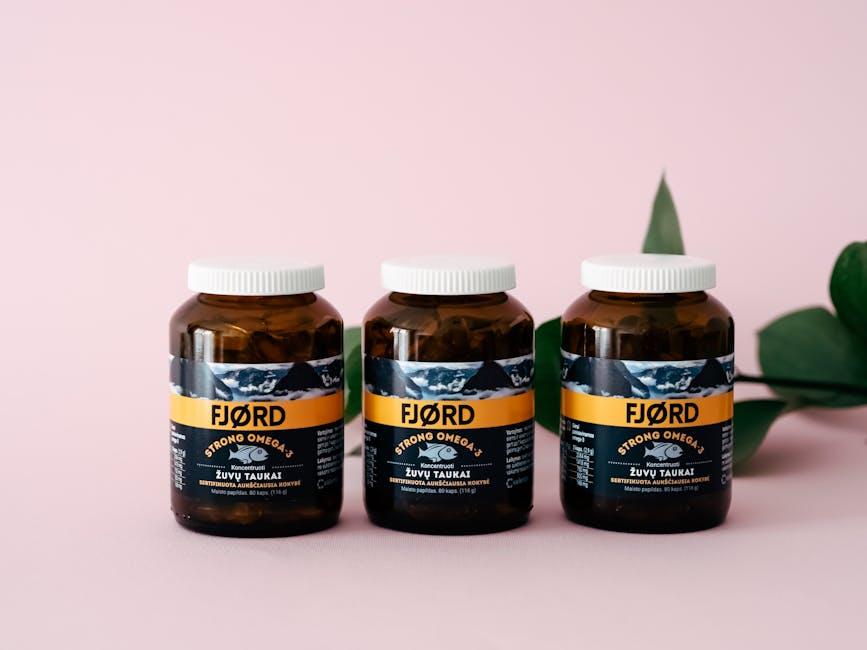
When it comes to omega-3 supplements, scent plays a surprising role in shaping consumer perception and overall experience. Many expect a strong “fishy” smell, which can sometimes signal poor quality or oxidation. However, advancements in purification and encapsulation technologies mean today’s supplements often have a much milder aroma. Some capsules emit a faint marine scent, while others may have nearly no detectable odor at all. This variation depends largely on the source of the fish oil, processing methods, and the presence of natural flavorings or antioxidants such as rosemary extract. Importantly, a subtle smell does not necessarily imply a lack of potency – it often indicates freshness and proper storage.
Understanding what to expect in terms of smell can help consumers make more informed decisions. Here’s a quick guide to typical scent profiles you might encounter:
- Neutral to light – High-quality, well-filtered oils with minimal oxidation.
- Fresh marine – Slight oceanic aroma, common in natural triglyceride forms.
- Strong fishy – Possible sign of older or poorly processed oil; may trigger fish burps.
- Added flavors – Citrus, mint, or vanilla to mask natural odors and improve palatability.
| Smell Intensity | Consumer Expectation | Common Sources |
|---|---|---|
| None to Mild | Encouraging freshness and purity | Pharmaceutical-grade oils, advanced filtration |
| Moderate | Natural oil character without overpowering odor | Triglyceride or re-esterified fish oils |
| Strong | Potential indicator of oxidation or suboptimal storage | Older or low-quality batches |

Assessing Capsule Quality Materials and Their Impact on Freshness
When it comes to maintaining the integrity and freshness of omega-3 fish oil supplements, the choice of capsule material plays a pivotal role. Capsules made from gelatin and vegetarian alternatives like hypromellose (HPMC) are common, but each reacts differently to storage conditions and exposure to oxygen. Gelatin capsules, while popular for their smooth texture and ease of digestion, are prone to oxidation if improperly sealed, leading to unpleasant fishy aftertastes and reduced potency. On the other hand, HPMC capsules offer better protection against moisture and oxygen, which helps in preserving the oil’s purity and freshness for longer periods.
Beyond the base material, the manufacturing process and added antioxidants significantly impact freshness and user experience. Some brands incorporate natural stabilizers such as vitamin E or rosemary extract to combat rancidity and extend shelf life. The quality materials also influence the occurrence of the notorious “fish burp” effect, which can be reduced by:
- Using enteric coatings that delay capsule dissolution until reaching the intestines
- Employing smaller, denser capsules that minimize oil exposure to air
- Ensuring airtight packaging to prevent premature oxidation
| Capsule Material | Freshness Impact | Burp Factor |
|---|---|---|
| Gelatin | Moderate protection; prone to oxidation | Higher probability due to early oil release |
| HPMC (Vegetarian) | Strong protection; moisture-resistant | Lower due to delayed oil release |
| Enteric-coated | Excellent; targets intestinal release | Minimal; bypasses stomach acid breakdown |
Expert Recommendations for Choosing the Best Omega-3 Fish Oil Supplement
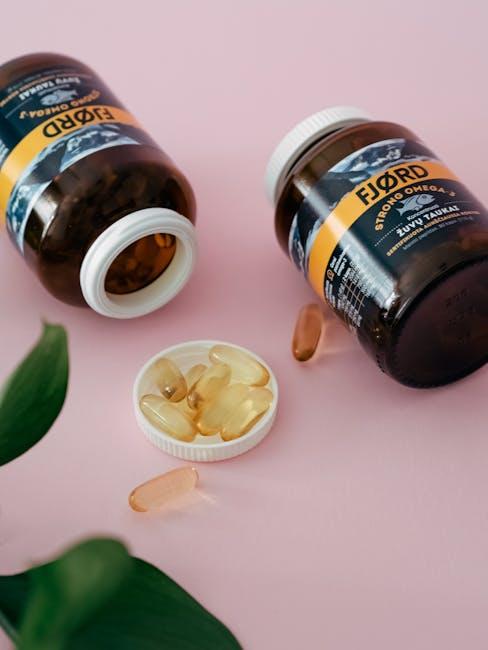
When selecting an omega-3 fish oil supplement, it’s crucial to prioritize quality indicators that directly impact your experience and health benefits. Look for products with high EPA and DHA concentrations, as these are the primary omega-3 fatty acids linked to cardiovascular and cognitive support. Another factor is the purity of the fish oil, ensuring it is free from heavy metals, PCBs, and other contaminants. Third-party testing or certifications from reputable organizations can be your best assurance of a clean, potent product. Don’t overlook the importance of absorption-enhancing ingredients like vitamin E or antioxidants that can help protect the oil from oxidation and improve the supplement’s overall efficacy.
Beyond the nutritional profile, the physical attributes of the supplement matter for everyday use. Capsules designed with burp-free or enteric coating technology drastically reduce fishy aftertaste and discomfort, a common complaint with many oils. The capsule’s material itself—whether soft gel or gelatin-free—affects digestibility and suitability for different dietary restrictions. Here’s a quick checklist for discerning shoppers:
- Look for minimal or no fishy burps
- Choose supplements with neutral or pleasant smell
- Opt for well-formed, easy-to-swallow capsules
- Confirm transparent labeling of EPA/DHA content
- Seek out reputable brands with verified quality control
Key Takeaways
In the end, choosing the right omega-3 fish oil supplement goes beyond just the label—it’s about how it fits into your daily routine without unpleasant surprises. Our tests on burp factor, smell, and capsule quality reveal that not all fish oils are created equal, and small differences can make a big impact on your experience. Whether you prioritize purity, freshness, or ease of digestion, understanding these factors helps you make a more informed choice. So next time you reach for that bottle, remember: the best omega-3 is the one you’ll take consistently—and comfortably.