In the world of athletic performance and recovery, compression gear has emerged as a key player, promising enhanced circulation, reduced fatigue, and quicker muscle recovery. Among the most popular options are compression socks and sleeves—two staples that often spark debate over which is better suited for different needs. Beyond choosing between socks and sleeves, understanding the nuances of sizing can make all the difference in comfort and effectiveness. This article delves into the distinctions between compression socks and sleeves, explores their unique benefits, and offers practical tips on finding the perfect fit, so you can step—or stride—confidently toward your goals.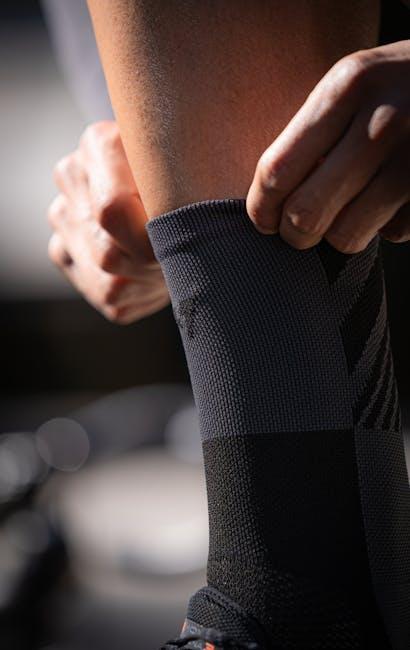
Compression Gear Essentials Understanding the Differences Between Socks and Sleeves
When it comes to enhancing circulation and reducing muscle fatigue, choosing between compression socks and sleeves depends largely on your specific needs and lifestyle. Compression socks cover the entire foot and calf, providing comprehensive support that helps minimize swelling and improve blood flow from the toes all the way up the leg. This makes them ideal for athletes involved in high-impact sports, travelers who sit for long hours, or anyone seeking full-foot protection combined with calf compression. On the other hand, compression sleeves focus solely on the calf area, allowing the foot to remain free and flexible. This design suits runners and gym enthusiasts who prefer more breathability and easier wear with open-toe footwear.
To make the right choice, consider the benefits each option offers:
- Socks: Full coverage, enhanced foot stability, warmth, and better protection against blisters.
- Sleeves: Greater breathability, versatile for use with any shoes, and easier to slip on and off.
| Feature | Compression Socks | Compression Sleeves |
|---|---|---|
| Coverage Area | Foot to calf | Calf only |
| Breathability | Moderate | High |
| Ease of Use | More difficult to put on | Simple and quick |
| Ideal For | Travel, full-foot support | Running, gym workouts |
Material and Design Factors Influencing Performance and Comfort
The choice of materials in compression gear plays a crucial role in both the effectiveness and comfort of your wear. High-quality synthetic fabrics such as nylon, spandex, and polyester blends are favored for their moisture-wicking properties, durability, and stretchability. These materials ensure that compression socks or sleeves fit snugly without restricting movement or causing discomfort during long hours of use. Breathability is another key factor—mesh panels or ventilated zones incorporated into the design enhance airflow, preventing overheating and reducing the risk of skin irritation.
Design intricacies also impact how well compression gear performs. For example, graduated compression—where pressure is highest at the ankle and gradually decreases up the limb—optimizes blood flow and reduces swelling. The fit and structure vary between socks and sleeves: socks offer additional coverage to the foot and toes, which can be beneficial for athletes focusing on foot stability and moisture control. Sleeves, meanwhile, are more versatile and easier to wear with different footwear or open-toed shoes.
| Factor | Socks | Sleeves |
|---|---|---|
| Material | Nylon/spandex blend with toe coverage | Polyester/spandex blend, lightweight |
| Compression | Graduated full-foot compression | Targeted calf compression only |
| Ventilation | Mesh foot zones | Perforated side panels |
| Fit | Encloses foot and lower leg | Wraps only around the calf |

Choosing the Right Size Tips for Accurate Measurement and Fit
Ensuring a perfect fit when selecting compression gear starts with precise measurements. Focus on the key areas that the garment will cover: for socks, measure the circumference around the widest part of your calf, and for sleeves, take note of the largest part of your arm, typically the bicep area. Use a flexible measuring tape and take measurements at the end of the day when limbs might be slightly swollen to avoid tightness. Remember, compression gear is designed to be snug but not restrictive, so don’t rely solely on your casual clothing size—accuracy is key to maximize benefits and comfort.
To simplify your fitting process, consider the following tips:
- Measure twice, buy once: Accurate measurements prevent sizing errors and returns.
- Refer to brand-specific size charts: Sizes can vary widely between brands, so always cross-check your numbers.
- Account for flexibility: Your compression gear should allow full range of motion without sliding down.
- Test the fit: After trying on, move around and wear the gear for at least 15 minutes to confirm comfort.
| Body Part | Measurement Location | Tip |
|---|---|---|
| Calf (Socks) | Widest circumference below the knee | Measure after activity for accuracy |
| Arm (Sleeves) | Largest bicep area | Stay relaxed; avoid flexing muscles |
Practical Recommendations for Selecting Compression Gear Based on Activity and Needs
When deciding between compression socks and sleeves, consider the specific demands of your activity and personal comfort needs. Compression socks provide full coverage from foot to calf, making them ideal for activities requiring extended standing, running, or recovery sessions where foot support and swelling reduction are priorities. They help improve circulation throughout the entire lower leg, reduce muscle fatigue, and prevent ankle swelling. On the other hand, compression sleeves target the calf muscles alone, offering enhanced mobility and breathability, which makes them perfect for cycling, hiking, or sports where ankle flexibility is important. Choose sleeves if you prefer ease of wear and less coverage, or socks if you need enhanced protection along with compression benefits.
Sizing plays a crucial role in the effectiveness of your compression gear. A proper fit ensures optimal pressure and comfort, reducing the risk of chafing or circulation issues. Below is a simple guide to help you determine the best fit based on key leg measurements:
| Measurement | Compression Socks | Compression Sleeves |
|---|---|---|
| Calf Circumference | Measure around widest part of calf | Measure around widest part of calf |
| Foot Circumference | Measure around the ball of the foot | N/A |
| Leg Length | From heel to just below knee | From ankle to just below knee |
Pro tip: Always refer to the brand’s specific sizing chart as stretch and compression levels differ. Avoid sizing too large; the compression must be snug but never painfully tight to maximize benefits and comfort during your workouts or recovery.
The Way Forward
In the end, choosing between compression socks and sleeves—and finding the perfect fit—boils down to understanding your own needs and comfort. Whether you seek targeted support around your calves or prefer the full coverage that socks provide, the right compression gear can enhance circulation, reduce fatigue, and keep you moving stronger. Remember, sizing isn’t just a number; it’s the key to unlocking both effectiveness and ease. So take a moment to measure, choose wisely, and step confidently into your day—because when it comes to compression, the best gear is the one that fits you just right.