

Navigating the world of skincare can feel like stepping into a maze, especially when your skin refuses to fit neatly into one category. Combination skin, with its ever-changing blend of oily and dry areas, presents a unique challenge—and opportunity—to tailor a routine that balances both ends of the spectrum. In this article, we’ll break down the basics of caring for combination skin, offering a simple, straightforward routine designed to harmonize your complexion without overwhelming it. Whether you’re new to skincare or looking to refine your regimen, these essentials will help you embrace your skin’s dual nature with confidence and clarity.
Understanding Combination Skin and Its Unique Needs
Combination skin is a fascinating balancing act between oily and dry zones. Typically, the T-zone (forehead, nose, and chin) tends to produce excess oil, while the cheeks and perimeter of the face can feel dry or normal. This distinct characteristic requires a tailored approach—not too heavy, yet sufficiently hydrating. Understanding this duality is essential for choosing products and crafting a routine that addresses the contrasting needs without overwhelming either area.
When caring for this skin type, remember these key points:
- Gentle cleansing: Remove excess oil without stripping natural moisture.
- Targeted hydration: Use lightweight moisturizers on oily zones and richer creams on dry patches.
- Balancing act: Incorporate products that regulate sebum production while soothing sensitive areas.
| Skin Zone | Typical Concern | Suggested Care |
|---|---|---|
| T-zone | Oily, prone to shine | Oil-control cleanser, mattifying moisturizer |
| Cheeks | Dry, flaky | Hydrating cleanser, nourishing cream |
Choosing the Right Cleanser for Balanced Skin
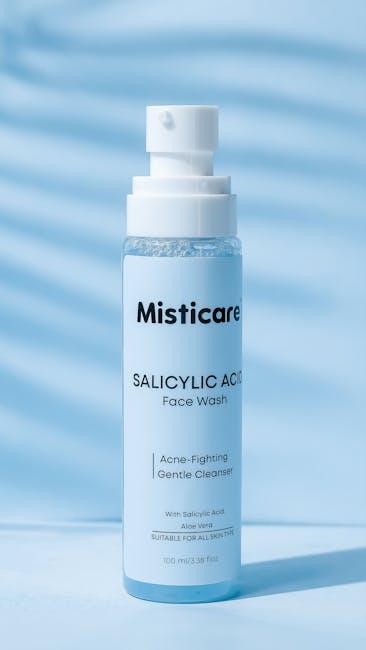
Finding a cleanser that caters to the unique needs of combination skin can feel like walking a tightrope, but it’s entirely possible with the right approach. Opt for formulas that gently remove impurities without stripping natural oils, ensuring both the oily zones and dry patches stay happy. Ingredients like salicylic acid and glycolic acid provide gentle exfoliation suited for oily areas, while hydrating elements such as glycerin and aloe vera nurture drier parts. Avoid cleansers with harsh sulfates that can exacerbate dryness and trigger excess oil production.
When selecting your go-to product, consider these essential qualities:
- Balancing Act: Must regulate oil without over-drying.
- Gentle Ingredients: Minimize irritation and maintain moisture.
- Non-comedogenic: Prevent clogged pores in oily regions.
- pH Balanced: Supports the skin’s natural barrier.
| Cleanser Type | Best For | Key Benefit |
|---|---|---|
| Gel-based | Oily T-Zone | Deep-cleans pores |
| Cream-based | Dry Cheeks | Hydrates and soothes |
| Micellar Water | All-over | Gentle, no rinse |
| Foam Cleanser | Combination | Balances oil and moisture |

Crafting a Moisturizing Routine That Targets Oily and Dry Areas
Balancing moisture across the face when some areas lean oily while others crave hydration requires a strategic approach. Start by selecting a lightweight, oil-free moisturizer to soothe the oily zones without clogging pores. In contrast, richer creams or hydrating serums with ingredients like hyaluronic acid or ceramides work wonders on drier patches, restoring suppleness and preventing flaky skin. To apply, use your fingertips to gently dab the product, targeting dry spots first, then lightly patting the moisturizer over the oily T-zone to maintain balance without overwhelming your complexion.
Consider introducing a multi-product layering system that adapts to each area’s specific needs. Here’s a simple guide:
- T-zone: Gel-based, mattifying moisturizers or oil-control lotions
- Cheeks and perimeter: Creamier, nourishing formulas enriched with antioxidants
- Nightcare: Use restorative masks or occlusive balms on dry zones only, avoiding oily areas
| Skin Area | Recommended Product Type | Key Ingredients |
|---|---|---|
| T-zone | Oil-free gel moisturizer | Salicylic Acid, Niacinamide |
| Dry patches | Hydrating cream or serum | Hyaluronic Acid, Ceramides |
| Night care | Restorative mask | Shea Butter, Vitamin E |

Effective Ingredients to Include and Avoid in Your Skincare Products
When caring for combination skin, choosing the right ingredients is essential for maintaining balance without provoking oily or dry patches. Hydrating humectants like hyaluronic acid and glycerin attract moisture without clogging pores, while gentle exfoliants such as salicylic acid help control oil build-up and prevent breakouts without over-drying your skin. Botanical extracts like green tea and niacinamide work wonders by soothing inflammation, regulating sebum, and improving texture. Aim for lightweight, non-comedogenic formulas that nurture both dry and oily zones simultaneously.
Conversely, steer clear of ingredients that can disrupt your skin’s delicate balance. Heavy, occlusive oils like coconut oil may clog pores, exacerbating oily areas, while harsh alcohols can strip moisture and cause dry patches to flare up. Fragrances and artificial dyes often trigger sensitivity and irritation, especially in combination skin prone to outbreaks. Below is a quick reference table summarizing common ingredients to embrace and avoid for best results:
| Effective Ingredients | Ingredients to Avoid |
|---|---|
| Hyaluronic Acid | Coconut Oil |
| Salicylic Acid | Denatured Alcohol |
| Niacinamide | Fragrances & Dyes |
| Green Tea Extract | Sodium Lauryl Sulfate |
| Glycerin | Heavy Butters (e.g., Shea on oily zones) |
Insights and Conclusions
Mastering combination skin doesn’t have to be complicated. With a simple, mindful routine tailored to balance both oily and dry areas, your complexion can thrive in harmony. Remember, the key is consistency and gentle care—listen to what your skin needs each day, and adjust accordingly. Embrace the uniqueness of your skin, and let this balanced approach be the foundation for a healthy, radiant glow that feels as good as it looks.