

When it comes to hair care, one size rarely fits all—especially in the world of conditioners. Whether your strands are as delicate as a spider’s silk or as dense as a forest canopy, the type of conditioner you choose can make all the difference. Lightweight conditioners promise to nourish without weighing hair down, often favored by those with fine, delicate locks. On the flip side, rich conditioners offer intense hydration and repair, catering to thicker, coarser hair that craves extra moisture. But how do you decide which formula suits your unique hair texture? In this article, we’ll explore the subtle—and not-so-subtle—differences between lightweight and rich conditioners, guiding you toward the perfect match for your fine or thick hair.
Lightweight Conditioner Benefits for Maintaining Fine Hair Volume
Fine hair requires delicate care to maintain its natural body without feeling weighed down. Lightweight conditioners are specially formulated with lighter emollients and minimal heavy oils, ensuring that each strand gets the right amount of moisture without sacrificing volume. These conditioners typically incorporate ingredients like aloe vera, panthenol, and silk proteins which penetrate hair shafts smoothly, enhancing manageability while keeping hair bouncy and airy. Unlike rich conditioners that can leave residue, lightweight options allow fine hair to retain its spring and fullness, making styling easier and more effective throughout the day.
Choosing the right product involves understanding the balance between nourishment and lift. Below is a quick comparison highlighting why lightweight conditioners excel for fine hair:
| Feature | Lightweight Conditioner | Rich Conditioner |
|---|---|---|
| Texture | Thin, non-greasy | Thick, creamy |
| Moisturizing Level | Moderate | High |
| Hair Suitability | Fine, thin hair | Thick, coarse hair |
| Impact on Volume | Enhances fullness | Can weigh hair down |
| Ideal Frequency | Daily or frequent use | Weekly or occasional use |
With fine hair, opting for lightweight conditioning not only keeps strands nourished but also prevents flatness and limpness—a common frustration for many. This balance helps maintain natural volume and movement, ensuring hair looks lively and well-kept without extra effort.

Understanding the Nourishing Power of Rich Conditioners for Thick Hair
Rich conditioners are specially formulated to provide the deep moisture and nourishment that thick hair craves. Unlike lightweight conditioners that focus on detangling and adding a touch of hydration, rich conditioners penetrate the dense strands and coarse cuticles often found in thick hair textures. This results in softer, more manageable hair that retains its natural volume without feeling weighed down. Ingredients like shea butter, argan oil, and jojoba oil are commonly infused into these products, delivering intense hydration and sealing in moisture for extended periods.
The benefits of rich conditioners extend beyond just moisture. They also help to protect thick hair from environmental damage and heat styling by reinforcing the hair’s natural barrier. Here’s what makes rich conditioners perfect for thick hair:
- Deeply moisturizing without leaving residue
- Enhances elasticity to reduce breakage
- Smooths frizz and defines natural texture
- Supports scalp health with nourishing oils
| Feature | Rich Conditioner | Lightweight Conditioner |
|---|---|---|
| Hydration Level | High – Intense moisture | Moderate – Light hydration |
| Best For | Thick, coarse hair | Fine, thin hair |
| Texture | Thicker, creamier | Thin, watery |

Choosing the Right Conditioner Texture Based on Hair Porosity and Density
When selecting a conditioner, understanding your hair’s porosity is key to achieving optimal hydration without weighing hair down. Low porosity hair, which has tightly closed cuticles, benefits most from lightweight, water-based conditioners that gently seal in moisture without buildup. These formulations absorb quickly, detangling fine strands while maintaining natural volume. On the other hand, high porosity hair with raised cuticles craves richer, creamier conditioners packed with emollients and oils to replenish lost moisture and smooth frizz effectively.
Density further guides texture choice. Fine hair, prone to limpness, flourishes with lighter conditioners that keep locks airy and vibrant. Thick or dense hair, however, demands a more substantial conditioner to penetrate deeply and provide lasting softness. Below is a quick reference to help match conditioner type with hair characteristics:
| Hair Characteristic | Ideal Conditioner Texture | Primary Benefit |
|---|---|---|
| Fine + Low Porosity | Lightweight, water-based | Moisturizes without heaviness |
| Fine + High Porosity | Light cream or serum-based | Softens and seals cuticles |
| Thick + Low Porosity | Rich, emollient-rich cream | Deep hydration & frizz control |
| Thick + High Porosity | Heavy, oil-infused formulas | Restores moisture & smoothness |
- Tip: Always test a small amount to ensure your hair responds well without heaviness.
- Tip: Rotate between lighter and richer conditioners seasonally for balanced care.
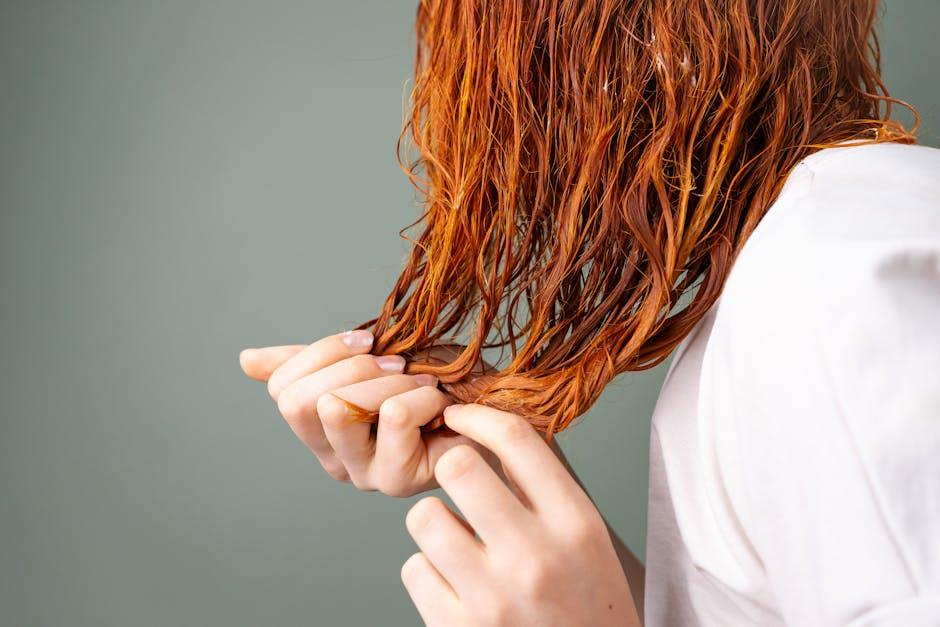
Expert Tips for Applying Conditioner to Enhance Hair Health and Manageability
Achieving the perfect balance of moisture and manageability begins with understanding how to properly apply conditioner based on your hair type. For fine hair, less is more. Focus the conditioner mainly on the mid-lengths to ends to avoid weighing down delicate strands. Use a lightweight formula enriched with humectants that hydrate without adding oiliness. Gently detangle with your fingers or a wide-tooth comb right after application, allowing the product to penetrate deeply without disrupting natural volume. Avoid the scalp area to prevent excess buildup, which can lead to greasy roots and limp hair.
Thicker, coarser hair benefits from a richer conditioner with nourishing oils and emollients that soften and smooth the strand surface. Apply generously from roots to tips, paying extra attention to areas prone to dryness or frizz. Leave the conditioner on for a few minutes to maximize absorption before rinsing with cool water to lock in moisture and boost shine. Incorporating a brief, gentle scalp massage while rinsing can stimulate circulation and promote healthy hair growth. Below is a quick reference to help customize your conditioning routine:
| Hair Type | Conditioner Type | Application Tips |
|---|---|---|
| Fine | Lightweight | Mid-lengths to ends, avoid scalp, rinse thoroughly |
| Thick/Coarse | Rich & Nourishing | Roots to ends, leave for 3-5 mins, cool water rinse |
- Tip: Always apply conditioner after shampooing to seal the hair cuticle and prevent tangling.
- Tip: Adjust frequency based on your hair’s response; some thick hair types thrive with conditioning every wash, while fine hair may benefit from alternate days.
Insights and Conclusions
In the end, choosing between a lightweight conditioner and a rich conditioner boils down to understanding the unique needs of your hair. Fine strands crave the gentle touch of a lightweight formula—something that nourishes without weighing them down. Meanwhile, thick hair thrives on the deep hydration and intense care that richer conditioners provide. By tuning in to what your hair truly needs, you can strike the perfect balance between softness and strength, ensuring every strand feels just right. After all, whether light or rich, the best conditioner is the one that lets your hair shine in its natural glory.