
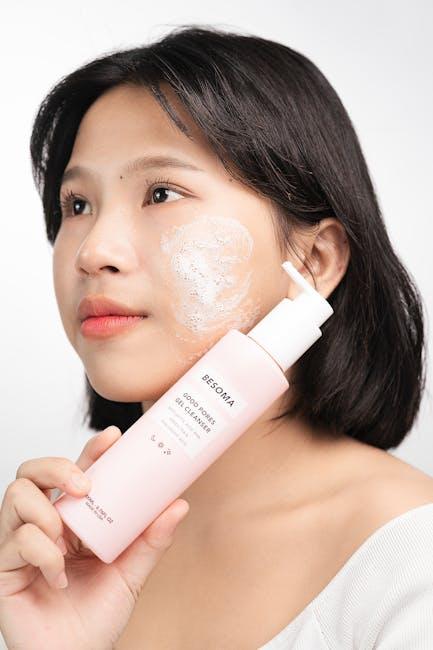
In the pursuit of clear, glowing skin, the humble cleanser is often our first line of defense. But what if the very product meant to refresh and purify your complexion is secretly sabotaging your skin’s natural balance? Many of us have experienced that uncomfortable, tight sensation after washing our face—an unwelcome reminder that something went wrong. Beneath this familiar feeling lies a series of common cleanser mistakes that disrupt hydration and strip the skin’s protective barrier. Understanding these pitfalls is key to achieving a truly fresh and comfortable complexion, without that dreaded post-wash tightness.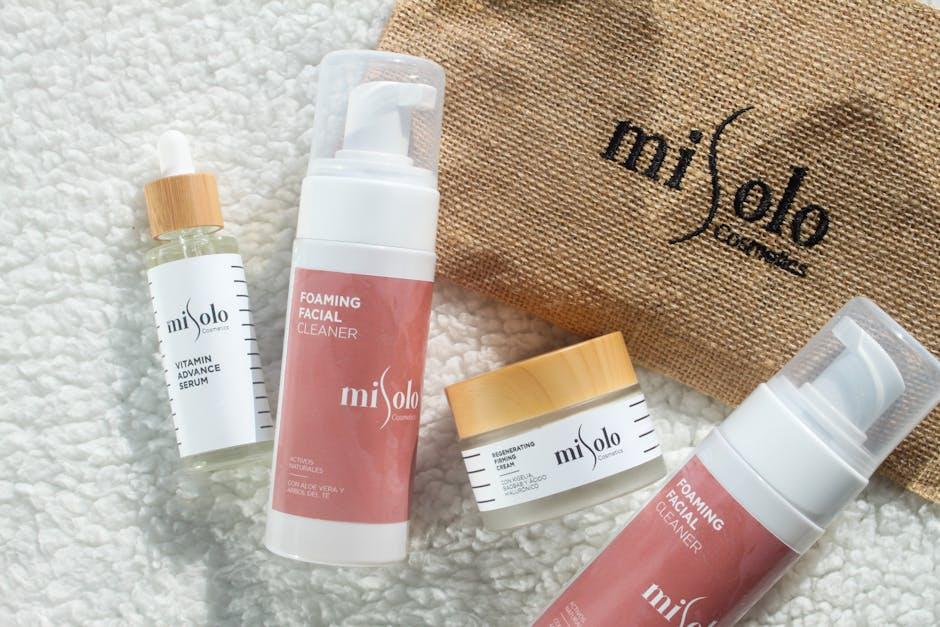
Understanding How Harsh Ingredients Strip Your Skin’s Natural Oils
When your cleanser contains harsh ingredients, it doesn’t just remove dirt and makeup; it dangerously disrupts the delicate balance of your skin’s natural oils. These essential oils, also known as sebum, act as a protective barrier, locking in moisture and defending against environmental aggressors. Overuse of aggressive detergents and ingredients like sulfates can strip away this barrier, leaving your skin feeling tight, dry, and vulnerable to irritation. Rather than delivering a clean, refreshed feeling, your skin ends up producing even more oil to compensate, creating a frustrating cycle of imbalance.
To avoid this drawback, it’s crucial to be aware of the common offenders lurking in your cleansing products. Ingredients such as Sodium Lauryl Sulfate (SLS), Alcohol, and Fragrance are frequent culprits that contribute to over-drying. Below is a quick reference guide to help you spot and understand their effects:
| Ingredient | Typical Purpose | Effect on Skin |
|---|---|---|
| Sodium Lauryl Sulfate (SLS) | Foaming agent | Strips oils aggressively, can cause dryness and irritation |
| Alcohol | Preservative or degreaser | Dries out skin, disrupts moisture balance |
| Fragrance | Enhances scent | May trigger sensitivity and dryness |
- Look for gentle, hydrating ingredients instead
- Check labels carefully to avoid repeated exposure
- Opt for cleansers formulated to maintain skin’s natural oils

The Impact of Over-Cleansing on Skin’s Moisture Barrier
When skin is stripped too frequently, it’s not just about dryness—it’s about disrupting the intricate ecosystem that keeps your complexion balanced and healthy. Over-cleansing washes away the skin’s natural oils and lipids, the essential components that form its protective shield. This protective layer functions like a moat around a castle, guarding against environmental aggressors and locking in moisture. Without it, skin becomes vulnerable to irritation, redness, and that unwelcome tight sensation that signals distress.
Understanding the delicate nature of this barrier is key to nurturing skin health. Here’s what over-cleansing can unintentionally cause:
- Depleted natural oils: Leads to dryness and flakiness.
- Increased sensitivity: Makes skin prone to inflammation and redness.
- Impaired hydration: Skin struggles to retain water, exacerbating tightness.
- Compromised defense: Heightens risk of breakouts and infections.
| Over-Cleansing Effect | Skin Response |
|---|---|
| Stripped Lipids | Loss of moisture retention |
| PH Imbalance | Barrier disruption & sensitivity |
| Excessive Exfoliation | Increased irritation |
Choosing the Right Cleanser for Your Skin Type
When it comes to selecting a cleanser, understanding your skin’s unique needs is the foundation of a healthy routine. Oily skin thrives with gel-based or foaming cleansers that deeply cleanse without stripping moisture, while dry skin benefits from creamy, hydrating formulas packed with nourishing oils. Sensitive skin demands gentle, fragrance-free options that respect the skin barrier rather than compromise it. Overlooking these distinctions often leads to that uncomfortable tightness, a sign your cleanser is doing more harm than good.
Use this quick guide to match your skin type with the best cleanser characteristics:
- Oily skin: Oil-control, salicylic acid, lightweight textures
- Dry skin: Emollient-rich, non-foaming, fragrance-free
- Sensitive skin: Hypoallergenic, soothing ingredients like chamomile or aloe
- Combination skin: Balanced formula, targeting oily T-zone without drying cheeks
| Skin Type | Recommended Cleanser | Avoid |
|---|---|---|
| Oily | Foaming gel, salicylic acid | Heavy creams, oils |
| Dry | Creamy, hydrating, fragrance-free | Foaming, alcohol-based |
| Sensitive | Gentle, hypoallergenic | Harsh detergents, fragrances |
| Combination | Balanced mild cleanser | Strong astringents |

Tips for Restoring Hydration After Cleansing
Immediately after cleansing, your skin craves moisture to replenish what was stripped away. Opt for hydrating toners or essences packed with humectants like hyaluronic acid or glycerin that attract water molecules deep into your skin layers. Gently pat these products on instead of rubbing, to help your skin absorb hydration without causing irritation. Incorporating lightweight serums rich in ceramides or peptides will also support your skin’s natural barrier, locking in moisture to fight persistent tightness.
Another key step is choosing the right moisturizer to seal in hydration effectively. Look for products containing nourishing oils or occlusives such as squalane and shea butter that create a protective shield against moisture loss. Plus, layering moisturizers can be beneficial—start with a watery gel, follow with a creamy formula, and finish with a soothing facial oil if needed. Here’s a quick guide to help you pick the best post-cleansing hydration approach:
| Hydration Step | Key Ingredients | Benefits |
|---|---|---|
| Toner/Essence | Hyaluronic Acid, Glycerin | Instant hydration, Improved absorption |
| Serum | Ceramides, Peptides | Barrier repair, Long-lasting moisture |
| Moisturizer | Squalane, Shea Butter | Sealing hydration, Skin smoothness |
| Facial Oil | Jojoba, Rosehip | Extra nourishment, Radiance boost |
- Apply products on damp skin to enhance moisture retention.
- Avoid alcohol-heavy toners that can worsen dryness.
- Use lukewarm water for cleansing to prevent over-stripping oils.
- Consider a humidifier in dry environments for all-day hydration.
In Retrospect
In the quest for fresh, radiant skin, it’s easy to fall into common cleansing pitfalls that leave your face feeling tight and uncomfortable. By understanding these subtle mistakes—whether it’s over-cleansing, using harsh formulas, or neglecting moisturizing afterward—you can transform your routine into a soothing ritual rather than a source of frustration. Remember, the best cleanser is one that respects your skin’s natural balance, gently lifting away impurities without stripping away its essential moisture. With a little mindful adjustment, your skin can feel clean, comfortable, and truly cared for every single day.