
In the vast landscape of personal care products, labels often wave a sea of promises—“sulfate-free,” “silicone-free,” and countless others vying for attention. But what do these claims really mean, and why are they becoming such buzzwords in beauty and grooming aisles? Understanding how to read and interpret sulfate-free and silicone-free labels is more than just a trend; it’s a step toward making informed choices about what we put on our bodies. This article dives into the science behind these ingredients, the reasons behind their rising popularity, and the nuances to watch for when navigating product labels—ultimately helping you decode marketing language and find what truly suits your needs.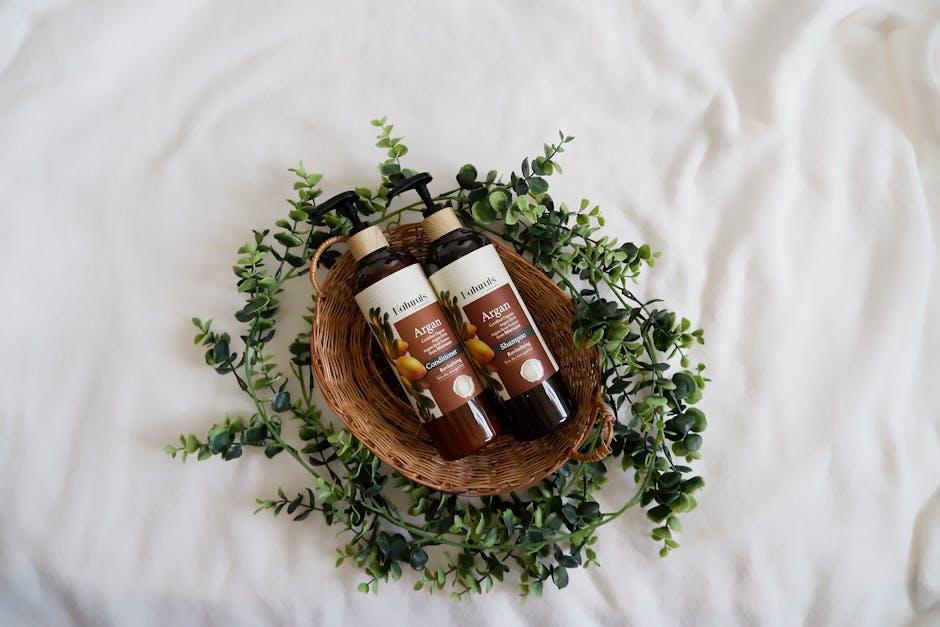
Understanding the Ingredients Behind Sulfate-Free and Silicone-Free Claims
When you spot a product labeled as sulfate-free or silicone-free, it’s essential to understand what ingredients are typically being omitted. Sulfates, such as sodium lauryl sulfate (SLS) and sodium laureth sulfate (SLES), are surfactants responsible for the foaming action in many shampoos and cleansers. While effective at removing dirt and oil, they can sometimes strip natural oils, leading to dryness or irritation, especially for sensitive scalps. Eliminating sulfates means the formula relies on gentler cleansing agents, often derived from natural or milder synthetic sources, making the product more suitable for delicate hair types or those prone to dryness.
On the other hand, silicone-free products avoid compounds like dimethicone or cyclopentasiloxane, which create a smooth, slippery feel and add shine by coating the hair. Although silicones can provide a sleek finish and detangling benefits, their tendency to build up over time may weigh hair down or cause dullness. Choosing silicone-free options often means the product emphasizes natural oils, botanical extracts, or lightweight emulsifiers to nourish the hair without residue. Below is a quick reference to common sulfates and silicones you might find in ingredient lists:
| Common Sulfates | Common Silicones |
|---|---|
| Sodium Lauryl Sulfate (SLS) | Dimethicone |
| Sodium Laureth Sulfate (SLES) | Cyclopentasiloxane |
| Ammonium Lauryl Sulfate | Amodimethicone |
| TEA-Lauryl Sulfate | Phenyl Trimethicone |
Decoding Product Labels to Identify Hidden Sulfates and Silicones
When exploring ingredient lists, the quest to avoid sulfates and silicones demands a keen eye and a little chemistry knowledge. Sulfates often masquerade under names like sodium lauryl sulfate or sodium laureth sulfate, which are popular foaming agents but notorious for stripping natural oils from hair and skin. Similarly, silicones don’t always wear their true names openly. Look for suffixes like -cone, -conol, or -siloxane – examples include dimethicone, cyclopentasiloxane, and amodimethicone. These ingredients form a protective layer but can lead to buildup, dullness, and reduced moisture absorption over time.
- Sulfate Indicators: sodium lauryl sulfate, ammonium lauryl sulfate, sodium laureth sulfate
- Silicone Clues: dimethicone, cyclomethicone, amodimethicone, phenyltrimethicone
| Ingredient Type | Common Names | Role | Potential Effects |
|---|---|---|---|
| Sulfates | Sodium Lauryl Sulfate, Ammonium Laureth Sulfate | Foaming and cleansing agents | Can cause dryness, irritation, and hair damage |
| Silicones | Dimethicone, Cyclopentasiloxane | Smoothing and conditioning agents | May build up, weigh hair down, and block moisture |
The Benefits of Choosing Truly Sulfate-Free and Silicone-Free Formulations
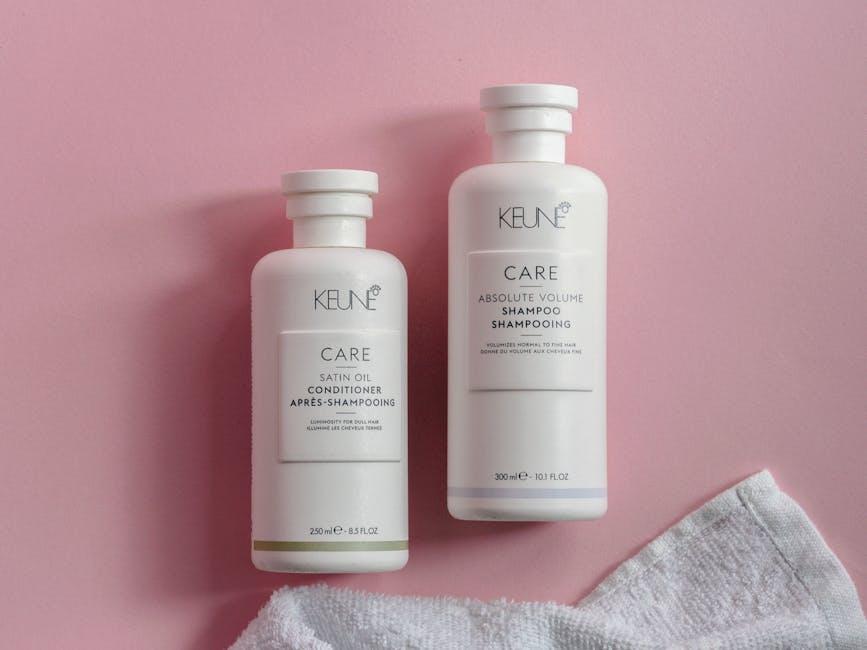
Opting for formulations that are genuinely free from sulfates and silicones can transform your hair care routine by promoting a healthier scalp and enhancing your hair’s natural vitality. Without sulfates, these products avoid stripping away essential oils, which often leads to dryness and irritation. Meanwhile, the absence of silicones allows your hair to breathe and prevents buildup that can weigh down strands or cause dullness over time. This combination encourages moisture retention, softness, and a more vibrant shine, making your locks feel naturally nourished and rejuvenated.
Beyond hair aesthetics, truly sulfate- and silicone-free products offer benefits that standard formulas might overlook. They are generally more compatible with sensitive scalps and color-treated hair, reducing the risk of fading and irritation. Additionally, these formulations often contain gentle, plant-based ingredients that support long-term scalp health and environmental sustainability. Consider these key advantages when making your choice:
- Balanced moisture levels without harsh chemicals
- Reduced scalp irritation and sensitivity
- Improved color longevity for dyed hair
- Lightweight, non-greasy finish
- Eco-friendlier ingredients promoting sustainability
| Feature | Sulfate-Free Benefits | Silicone-Free Benefits |
|---|---|---|
| Scalp Health | Gentle cleansing | Prevents buildup |
| Hair Texture | Maintains natural oils | Light, airy feel |
| Color Care | Less fading | Prevents dullness |
| Environmental Impact | Biodegradable surfactants | Fewer synthetic additives |
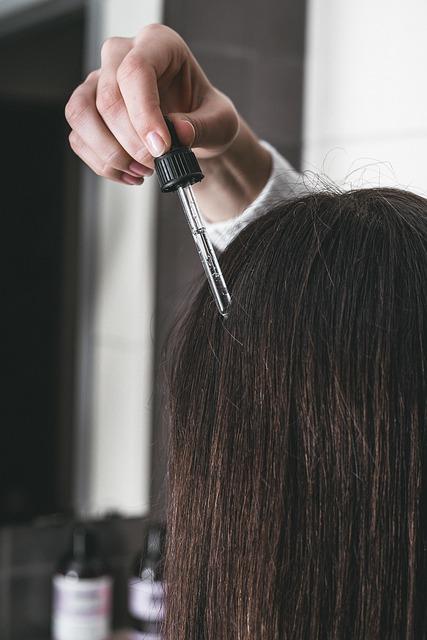
Expert Tips for Selecting Haircare Products That Match Your Hair Needs
Choosing haircare products without sulfates and silicones can be a game-changer for maintaining healthy, vibrant hair. Sulfates, commonly found as sodium lauryl sulfate or sodium laureth sulfate, are detergents that create that satisfying lather but can strip your hair of natural oils, leading to dryness and irritation. Instead, look for products that use gentle cleansers like cocamidopropyl betaine or decyl glucoside which cleanse without compromising moisture balance. Silicones may provide instant smoothness, but they often build up over time, weighing hair down and dulling its natural shine. Opt for products labeled as “water-soluble silicone-free” or those featuring natural oils and butters to nourish and protect your strands.
Understanding product labels is essential for selecting formulations tailored to your hair type and needs. Below is a handy reference to identify common sulfate and silicone ingredients, helping you make informed choices:
| Ingredient Type | Common Sulfates | Common Silicones |
|---|---|---|
| Cleansing Agents | Sodium Lauryl Sulfate (SLS) | Dimethicone |
| Mild Alternatives | Cocamidopropyl Betaine | Amodimethicone (water-soluble) |
| Other Names to Avoid | Sodium Laureth Sulfate (SLES) | Cyclopentasiloxane |
- Pro tip: Patch test new products to ensure scalp compatibility and avoid unwanted reactions.
- Seek products that clearly highlight their sulfate-free and silicone-free status on the packaging.
- Remember, a smoother touch doesn’t always mean healthier hair—know the ingredients behind the shine.
Key Takeaways
Navigating the world of hair and skincare products can often feel like decoding a secret language, with labels packed full of complex ingredients and buzzwords. By learning to read sulfate-free and silicone-free labels carefully, you empower yourself to make informed choices that align with your personal care goals and values. Whether you’re seeking gentler formulas, aiming for a more natural routine, or simply curious about what goes into your favorite products, understanding these labels is a key step on the journey to thoughtful self-care. The next time you reach for a bottle, remember that the power lies in your hands—and your newfound knowledge.