
Imagine starting your day with a refreshing shampoo, only to feel an unexpected sting or itch on your scalp shortly after. For many, what seems like a simple fragrance or a cosmetic choice can trigger an uncomfortable reaction, turning a routine into a source of irritation. Understanding the basics of scalp sensitivity—especially how fragrances influence irritation—can be the key to maintaining a comfortable, healthy scalp. This article explores the delicate balance between scent and sensitivity, unraveling the science behind why certain fragrances may provoke discomfort and how to navigate these everyday triggers with care.
Understanding the Causes Behind Scalp Sensitivity and Irritation
Scalp sensitivity often arises from a mix of environmental factors and personal care products that disrupt the natural balance of your skin. One of the most common culprits is fragrances found in shampoos, conditioners, and styling products. These synthetic scents can irritate the scalp, triggering redness, itchiness, and even flaking. Additionally, harsh detergents and sulfates strip away essential oils, weakening the scalp’s protective barrier and leaving it vulnerable to inflammation. The delicate skin on the scalp reacts much like facial skin, so ingredients that are too aggressive or allergenic can spark a chain reaction of discomfort.
Other contributors include excessive heat styling, environmental pollutants, and even stress, which can all exacerbate scalp irritation in different ways. Below is a simple overview of common triggers to help you identify potential irritants affecting your scalp health:
- Fragrances: Artificial and essential oils that cause allergic reactions
- Sulfates: Cleansing agents that strip natural oils
- Heat Styling: Overuse of hot tools damaging scalp skin
- Hard Water: Mineral buildup causing dryness
- Environmental Pollutants: Dirt and smoke irritating pores
| Trigger | Common Effects | Preventive Tip |
|---|---|---|
| Fragrances | Itchiness & redness | Choose fragrance-free products |
| Sulfates | Dryness & flaking | Opt for sulfate-free shampoos |
| Heat Styling | Scalp burns & irritation | Use heat protectants & limit usage |

The Role of Fragrance in Triggering Scalp Reactions
Fragrances, while often essential for a pleasant sensory experience, can be a hidden culprit behind many scalp irritations. These synthetic or natural aromatic compounds are designed to linger long after shampoo or conditioner washing, but their chemical complexity can overwhelm sensitive skin. Many fragrance ingredients contain allergens or irritants that may lead to redness, itching, or even allergic contact dermatitis on the scalp. People with sensitive scalps often report flare-ups following products that boast a strong or complex scent profile, illustrating just how potent these seemingly innocuous additives can be.
Understanding which fragrance components tend to trigger reactions can help in choosing safer scalp care products. Among common offenders are:
- Limonene: A citrus-scented chemical that oxidizes into a skin irritant.
- Linalool: Found in lavender and coriander, often causes allergic responses upon exposure to air.
- Coumarin: A sweet, vanilla-like compound known for sensitizing effects.
- Benzyl Alcohol: Used as a preservative and fragrance component, it can trigger itching and dryness.
| Fragrance Component | Common Source | Potential Reaction |
|---|---|---|
| Limonene | Citrus oils | Itching, redness |
| Linalool | Lavender, coriander | Allergic dermatitis |
| Coumarin | Vanilla, tonka bean | Sensitivity, rash |
| Benzyl Alcohol | Preservatives, floral scents | Dryness, irritation |
Identifying Common Irritants in Hair Care Products
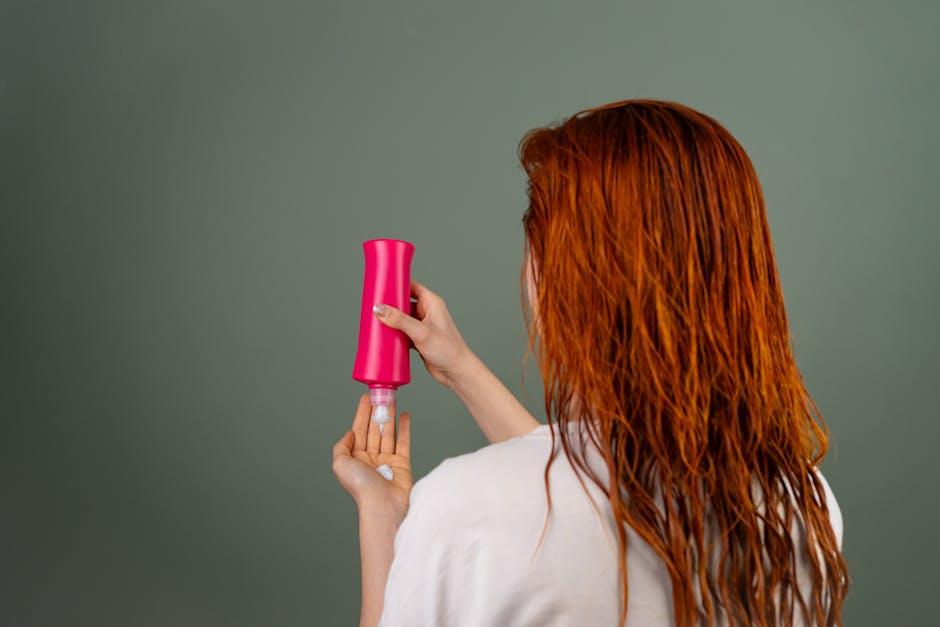
Many hair care products boast appealing scents and rich formulas, but beneath these attractive features, certain ingredients can quietly provoke scalp irritation. Fragrances, often listed simply as “parfum” or “fragrance,” are among the top culprits, comprising complex chemical blends that may trigger allergic reactions or dryness. Similarly, preservatives like parabens and formaldehyde-releasing agents, though vital for product longevity, can disrupt the scalp’s natural balance, leaving it itchy or inflamed. Being vigilant about ingredient lists is key to spotting potential irritants early on.
| Common Irritants | Potential Effects |
|---|---|
| Synthetic Fragrances | Allergic reactions, dryness, redness |
| Sulfates (e.g., SLS) | Stripping natural oils, irritation |
| Parabens | Inflammation, sensitivity |
| Artificial Dyes | Contact dermatitis, itchiness |
Besides chemical ingredients, physical factors in formulations can also aggravate a sensitive scalp. Thick, heavy oils or waxes might clog pores and exacerbate irritation, while high-alcohol content can dry out skin. Choosing products labeled as hypoallergenic or fragrance-free provides a safer starting point. When testing new products, applying a small amount behind the ear for 24 hours can help detect sensitivity before a full scalp application. Remember, gentle formulas and mindful ingredient choices are essential in nurturing a calm and healthy scalp environment.
Effective Strategies to Soothe and Protect a Sensitive Scalp
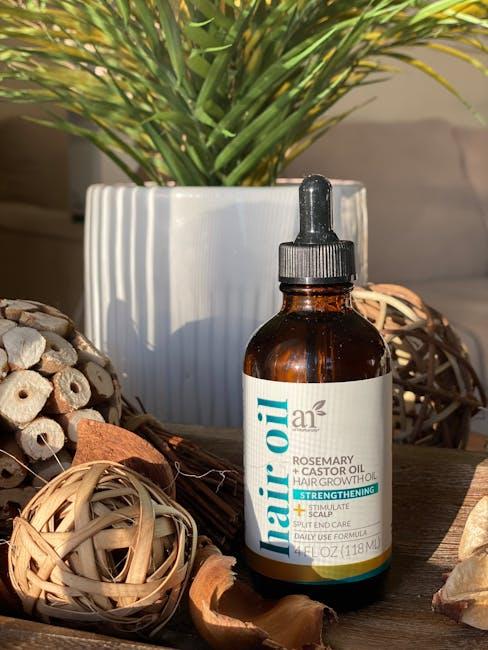
When dealing with a sensitive scalp, choosing the right products is essential to minimizing irritation and enhancing comfort. Fragrances, in particular, can be hidden culprits that trigger redness, itching, or burning sensations. Opting for fragrance-free or hypoallergenic shampoos and conditioners helps reduce exposure to potential irritants. Additionally, incorporating calming ingredients like aloe vera, chamomile, or oatmeal into your hair care routine can soothe inflammation and restore balance to your scalp’s delicate ecosystem.
Beyond product selection, adopting gentle practices can make a tremendous difference. Avoid excessive heat styling, tight hairstyles, and harsh towel drying methods that might exacerbate sensitivity. Consider these simple yet effective habits:
- Use lukewarm water instead of hot water for washing
- Massage hair gently with fingertips instead of nails
- Limit washing frequency to preserve natural oils
- Protect your scalp from sun exposure with hats or lightweight scarves
| Key Ingredient | Benefit |
|---|---|
| Aloe Vera | Reduces redness and moisturizes |
| Chamomile | Calms irritation and soothes itchiness |
| Oatmeal | Relieves dryness and inflammation |
Key Takeaways
Understanding the delicate balance between fragrance and scalp sensitivity is key to nurturing both comfort and care. By recognizing the ingredients that may trigger irritation and choosing products thoughtfully, you empower yourself to cultivate a healthier scalp environment. Remember, a calm scalp not only feels better but also lays the foundation for stronger, more resilient hair. In the end, awareness and gentle choices are your best allies in transforming sensitivity into soothing self-care.