

In the ever-evolving world of skincare, niacinamide serums have carved out a beloved niche, promising everything from minimized pores to a radiant, even complexion. Yet, as anyone who’s tried multiple products knows, not all niacinamide serums are created equal. Some glide on smoothly, disappearing beneath your moisturizer, while others clump, leaving behind frustrating pilling or an unwanted finish. In this article, we dive beyond marketing claims to compare popular niacinamide serums, focusing on three crucial factors: how they interact with your skin during daily wear, their finish once absorbed, and the notorious issue of pilling. Whether you’re a skincare minimalist or a product enthusiast, understanding these subtle differences can transform your routine and help you find the perfect serum that works seamlessly day after day.
Understanding Pilling in Niacinamide Serums How to Identify and Avoid Texture Clashes
Pilling occurs when the layers of skincare products don’t fully absorb or bond, causing tiny flakes or balls of residue to form on the skin’s surface. With niacinamide serums, this can be especially noticeable given their typically lightweight, hydrating textures. A common culprit is overlapping incompatible formulations, such as combining a thick moisturizer immediately after applying a watery serum, which can prevent proper absorption. Look out for subtle signs like a slightly gritty or uneven feel when you rub your skin, or visible tiny clumps on fingertips after application.
To minimize texture clashes and avoid pilling, it’s essential to layer products thoughtfully and give each step enough time to absorb—typically around 30 seconds to one minute. Consider patch-testing serum pairings and always apply lighter, water-based formulas prior to heavier creams or oils. Below is a quick guide on common combinations to watch out for:
| Product Pairing | Risk of Pilling | Tip to Avoid |
|---|---|---|
| Niacinamide serum + Silicone-based primer | High | Wait 1 min; apply primer sparingly |
| Niacinamide serum + Thick cream moisturizer | Moderate | Use serum 2nd or pat moisturizer lightly |
| Niacinamide serum + Gel moisturizer | Low | Generally safe; blend gently |
- Shake up your routine: Change one product at a time to identify culprits.
- Use minimal product amounts: Overapplication increases pilling risk.
- Consider formula finishes: Matte or powdery finishes can cause texture clashes.
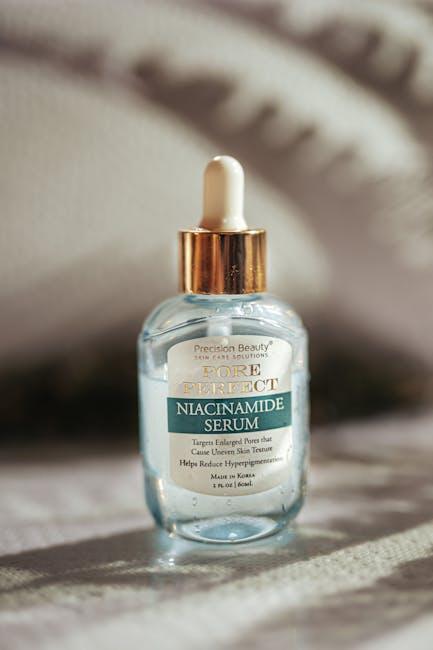
Exploring Finish Variations From Matte to Dewy Effects Explained
When choosing the right niacinamide serum, the finish can dramatically influence how your skin looks and feels through the day. Matte finishes offer a velvety texture that minimizes shine, making them perfect for oily or combination skin types seeking a polished, poreless appearance. In contrast, dewy finishes provide a luminous glow that imparts a fresh, hydrated look, ideal for those with dry or dull complexions wanting an instant boost of radiance. Understanding these effects helps in aligning the serum’s texture with your skincare goals, whether you’re aiming for a shine-free canvas or a naturally glowing complexion.
Here’s a quick rundown of common finish types paired with their key characteristics to guide your selection:
| Finish Type | Texture | Ideal Skin Types | Wear Behavior |
|---|---|---|---|
| Matte | Light, powdery | Oily, combination | Long-lasting, controls oil |
| Satin | Soft sheen | Normal, combo | Balanced wear, subtle glow |
| Dewy | Hydrating, glowy | Dry, dull | Moisture-rich, may feel sticky |
Keep in mind that formulas with a matte finish often contain oil-absorbing ingredients that help reduce shine but may feel slightly heavier on dry skin. Meanwhile, dewy formulas, loaded with humectants and emollients, create a radiant, fresh effect but may interact differently under makeup or in humid environments. Selecting your finish wisely ensures your niacinamide serum not only performs effectively but also complements your daily wear preferences and environmental factors.

Evaluating Daily Wear Comfort and Compatibility With Different Skin Types
When incorporating niacinamide serums into a daily routine, comfort is paramount, especially for those with sensitive or reactive skin. Most lightweight formulas blend seamlessly without causing irritation, yet some serums with higher concentrations or additional actives might provoke a mild tingling sensation. It’s crucial to note how a product interacts with your skin’s natural moisture barrier throughout the day; serums that strike a balance between hydration and breathability tend to offer a comfortable wear experience without feeling heavy or sticky. For oily or combination skin types, lightweight, mattifying finishes offer compatibility without exacerbating shine, while those with dry skin should prioritize hydrating formulations enriched with soothing agents.
Considerations for different skin types include:
- Dry Skin: Look for serums with moisturizing bases and ingredients like hyaluronic acid for added hydration.
- Oily/Combination Skin: Opt for oil-free, fast-absorbing serums that leave a matte finish.
- Sensitive Skin: Choose formulations without fragrances or alcohol to minimize irritation.
- Normal Skin: Flexible formulations work well, with emphasis on balancing hydration and skin tone improvement.
| Skin Type | Comfort Level | Finish | Best Suited Serum Type |
|---|---|---|---|
| Dry | High (moisturizing) | Dewy | Hydrating with humectants |
| Oily/Combination | Moderate (non-greasy) | Matte to satin | Oil-free and fast-absorbing |
| Sensitive | Variable (dependent on additives) | Natural, minimal shine | Fragrance-free, soothing |
| Normal | High | Balanced | Versatile with light hydration |

Top Niacinamide Serum Picks for Seamless Integration Into Your Skincare Routine
Choosing the perfect niacinamide serum involves more than just checking the percentage; it’s about how well the formula blends with your current regimen and skin type. Serums with lightweight textures tend to layer smoothly without causing pilling, making them ideal for sensitive or combination skin. Meanwhile, products enriched with hydrating agents like hyaluronic acid or ceramides offer a radiant, dewy finish that lasts throughout the day. For those who prefer matte effects, opt for serums featuring oil-absorbent ingredients that prevent shine without compromising moisture balance.
Here are some essentials to look for when integrating a niacinamide serum daily:
- Compatibility: Ensure it works harmoniously with your moisturizer and sunscreen.
- Texture: Lightweight or gel-based serums reduce the risk of layering issues.
- Finish: Choose according to your skin’s needs—matte for oily, hydrating for dry.
- Active Concentration: Most effective ranges fall between 5% and 10%.
| Serum | Finish | Pilling Risk | Best For |
|---|---|---|---|
| GlowNu 10% Niacinamide | Hydrating, Dewy | Low | Dry to Normal Skin |
| MatteFix Niacinamide Gel | Matte, Lightweight | Very Low | Oily and Combination Skin |
| BalanceRx 7% Serum | Natural, Semi-Matte | Moderate | All Skin Types |
| PureDrop Niacinamide | Silky, Non-Greasy | Low | Sensitive Skin |
Closing Remarks
In the world of skincare, niacinamide serums have carved out a coveted spot for their versatility and benefits. Yet, as we’ve seen, not all serums are created equal when it comes to pilling, finish, and everyday comfort. Choosing the right formula means balancing texture, absorption, and how it plays with the rest of your routine. Whether you favor a silky glide or a matte touch, understanding these nuances helps transform your daily ritual from a simple step into a moment of mindful care. In the end, the best niacinamide serum is the one that feels like it was made just for your skin—effortless, effective, and uniquely yours.