

In the ever-evolving world of skincare, hyaluronic serums have carved out a reputation as hydration heroes, promising dewy, plump skin with just a few drops. But beneath the glossy claims and attractive packaging lies a simple yet crucial question: do they truly deliver that coveted plush feel, or do some leave behind an unwelcome tacky residue? This article dives into the textures and sensations of popular hyaluronic serums, separating the supple from the sticky, to help you discover the perfect balance between nourishment and comfort.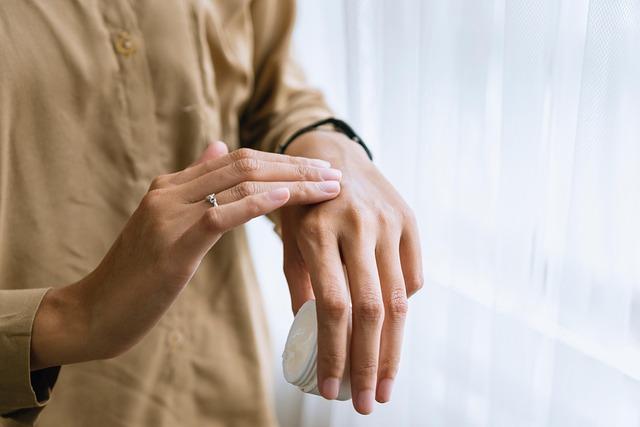
Understanding the Science Behind Hyaluronic Serums and Skin Hydration
Hyaluronic acid, a naturally occurring molecule in our skin, acts like a moisture magnet, capable of holding up to 1,000 times its weight in water. This remarkable property makes it an essential ingredient in serums designed to boost skin hydration and achieve that coveted plump, youthful glow. When applied topically, it forms a lightweight, invisible layer that attracts moisture from the environment and deeper skin layers, resulting in immediate surface hydration. However, the magic lies not just in hyaluronic acid itself, but in its molecular size. Smaller molecules penetrate deeper, promoting long-lasting moisture retention, while larger molecules tend to sit on the surface, creating an instant but sometimes sticky finish.
Understanding the balance between hydration and texture is key for a serum’s success. Factors influencing this balance include:
- Molecular weight and concentration of hyaluronic acid
- Additional humectants and occlusives blended in the formula
- pH level and serum viscosity
- Skin type and environmental humidity
Below is a comparison of typical sensations after application and what they indicate about the serum’s formulation and effectiveness:
| Sensation | What It Means | Recommended Use |
|---|---|---|
| Plump & Smooth | Good absorption, balanced hydration | All skin types, daily use |
| Tacky & Sticky Residue | High molecular weight, surface layer fix | Nighttime or under moisturizers |
| Light & Silky | Blend of humectants with occlusives | Oily or combination skin |
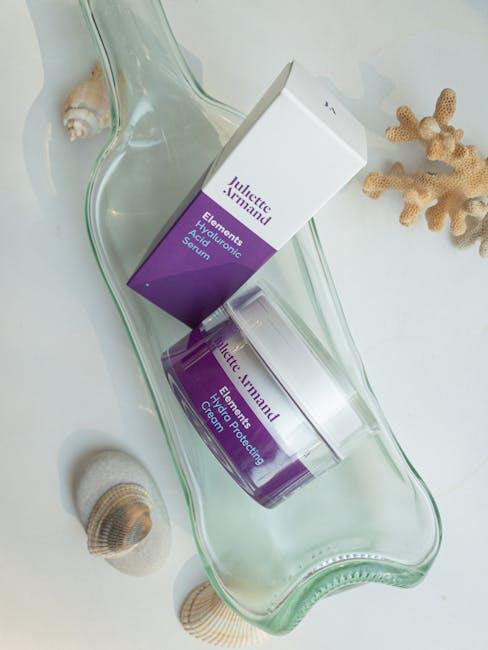
Comparing Texture and Absorption Rates in Popular Hyaluronic Products
When it comes to hyaluronic serums, texture can make or break your skincare routine. Some formulations glide on with a lightweight, almost silky feel that leaves the skin instantly plump and hydrated without any stickiness. Others tend to be heavier, with a more viscous consistency that might linger on the surface, creating a tacky residue that feels less pleasant for everyday wear. Factors such as molecular weight and concentration of hyaluronic acid play crucial roles here; low molecular weight variants penetrate better, delivering moisture deep within, while higher weight versions tend to sit on top, influencing the overall tactile sensation.
Absorption rates vary widely across the market, impacting not just the feel but the effectiveness of the product. Below is a comparison of absorption speed and texture observations from popular serums tested under controlled conditions:
| Brand | Texture | Absorption Time | Residue |
|---|---|---|---|
| HydroGlow | Lightweight gel | ~15 seconds | None, plump finish |
| Quench+ Ultra | Thick serum | ~45 seconds | Mild tackiness |
| PureDrops HA | Watery liquid | ~10 seconds | Non-sticky, smooth |
| VelvetMist HD | Creamy gel | ~30 seconds | Slight residue |
- Lightweight textures often lead to faster absorption and a fresher finish.
- Denser serums may provide prolonged hydration but can feel tackier.
- Fast-absorbing products are ideal for layering under makeup or other treatments.
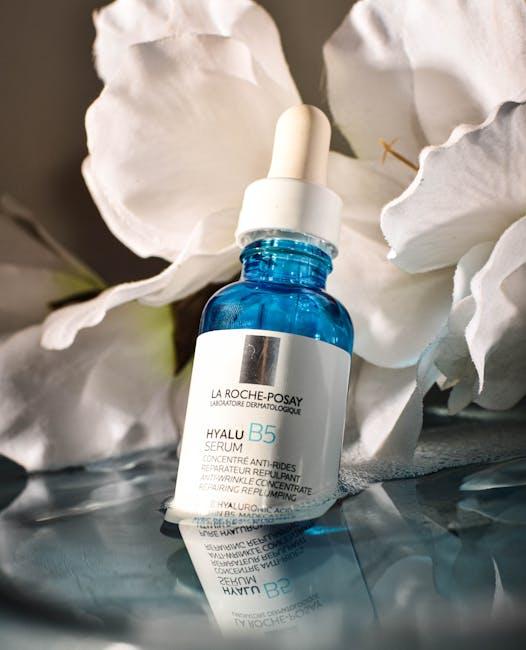
Spotlight on Plumpness Effectiveness Versus Tacky Residue Presence
When evaluating hyaluronic serums, the balance between achieving a visibly plump, hydrated complexion and avoiding that dreaded sticky finish is crucial. Many formulas promise intense moisture, but only a handful deliver truly bouncy skin without leaving behind an uncomfortable tacky layer. The secret lies in the molecular weight of hyaluronic acid used and the additional soothing or film-forming ingredients incorporated. Serums with ultra-low molecular weight penetrate deeply, enhancing skin volume, while those with heavier molecules often contribute to surface residue. Striking the perfect formula means harnessing hydration power while keeping the application lightweight and refined.
Below is a quick comparison of popular serums tested for their plumping effect against the presence of tacky residue. Notice how some brands manage to elevate skin elasticity and suppleness while remaining almost invisible to the touch, creating an ideal base for makeup or layering. Meanwhile, others, despite their plumping claims, leave a sticky after-feel that can interfere with daily routines. Opting for a serum that balances these qualities ensures both radiant skin and an enjoyable, mess-free application experience.
| Serum | Plumpness Score | Tacky Residue |
|---|---|---|
| HydraGlow Plus | 9/10 | Minimal |
| SilkPlump RX | 8/10 | Moderate |
| Velvet Dew | 7/10 | High |
| PureHydra Boost | 8.5/10 | Low |
- High plumpness + low tackiness: Ideal for daily wear and layering under sunscreen or makeup.
- Moderate plumpness + moderate tackiness: Better suited for nighttime or minimal product days.
- Lower plumpness + high tackiness: Often less desirable due to texture interference.
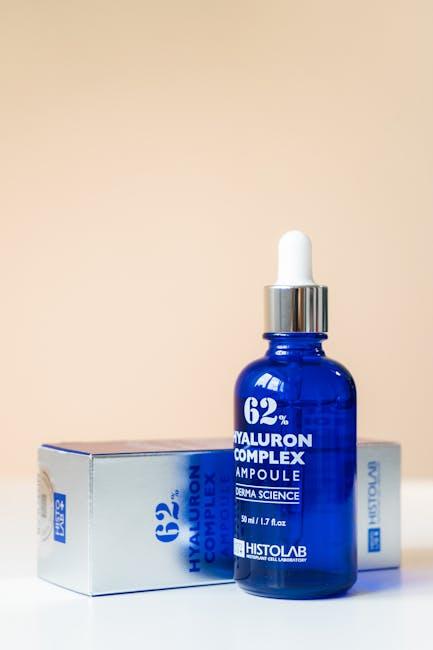
Expert Tips for Choosing the Right Hyaluronic Serum for Your Skin Type
Finding the perfect hyaluronic serum begins with understanding how your skin behaves and what it truly needs. For those with dry or mature skin, it’s essential to select formulas with a blend of low and high molecular weight hyaluronic acid. This combination ensures deep hydration while creating that coveted plump, supple feel on the surface without any heaviness. On the other hand, if you have oily or acne-prone skin, prioritize lightweight, non-comedogenic serums that absorb quickly and avoid sticky residues that can clog pores. Natural additives like glycerin or aloe vera can enhance moisture without tipping the scales toward tackiness.
Keep an eye out for key indicators on serum labels that help tailor your choice. Here’s a quick guide to match serum features with skin types:
| Skin Type | Ideal Serum Texture | Key Ingredients | What to Avoid |
|---|---|---|---|
| Dry / Mature | Rich, slightly creamy | Multi-weight HA, ceramides | Alcohol-based formulas |
| Oily / Acne-prone | Gel-like, lightweight | Low-weight HA, niacinamide | Heavy oils, silicones |
| Sensitive | Soothing, gentle gel | Aloe, panthenol, oat extract | Fragrances, harsh preservatives |
| Combination | Balanced gel-cream | Multi-weight HA, peptides | Sticky, greasy textures |
Ultimately, testing a serum’s feel on your skin is the best way to avoid that unpleasant tacky residue while ensuring the plump sensation that hyaluronic acid promises. Apply a pea-sized amount after cleansing and give it a minute to settle. If a sticky film lingers, it’s likely time to try a different formula or layer it under a moisturizer that suits your skin’s needs.
In Summary
In the quest for the perfect hyaluronic serum, understanding how each product interacts with your skin is key. Whether you crave that buoyant, plump feel or want to avoid the pesky tacky residue, our tests shed light on what you can truly expect beyond the label’s promises. Ultimately, the best serum is the one that harmonizes with your unique skin needs—delivering hydration without compromise. As the world of skincare continues to evolve, so too does the art of finding that flawless balance between moisture and comfort. Here’s to embracing your skin’s natural glow, one thoughtful choice at a time.