
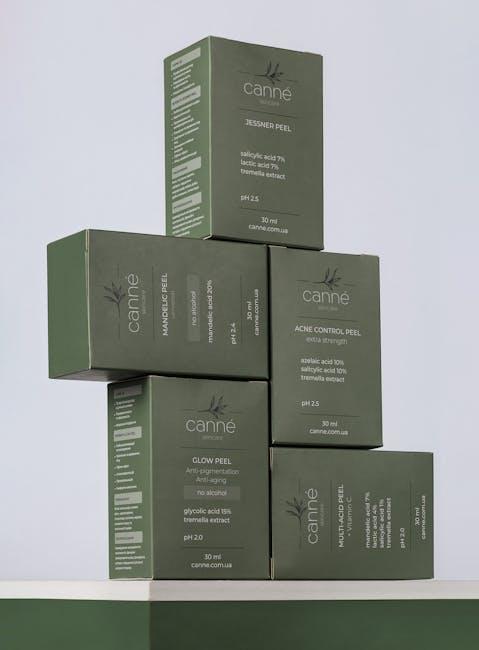
In the ever-evolving world of skincare, finding the perfect ingredient that balances effectiveness with gentle care can feel like searching for a needle in a haystack. Azelaic acid has recently emerged from the shadows, captivating skincare enthusiasts and experts alike with its promising benefits—ranging from calming inflammation to refining skin texture. But beyond the buzzwords and marketing claims, how do azelaic acid products truly perform on real skin? In this review, we delve into the nuances of tolerance and texture improvement, peeling back the layers to reveal what using these products really feels like. Whether you’re a curious newcomer or a seasoned user, join us as we explore the practical side of azelaic acid’s skincare magic.
Understanding Azelaic Acid Tolerance Across Different Skin Types
Azelaic acid is lauded for its versatility, but how it interacts with different skin types can vary significantly. For those with oily or combination skin, azelaic acid often brings visible mattifying effects, reducing sebum production and gently exfoliating without causing irritation. Dry or sensitive skin, on the other hand, might initially experience some tingling or mild dryness, yet with consistent use, most report a noticeable improvement in texture and tone. Those with normal skin generally tolerate azelaic acid well, appreciating its subtle brightening and anti-inflammatory properties without any adverse reactions. Understanding these nuances is key to tailoring a routine that maximizes benefits while minimizing discomfort.
- Oily skin: Absorbs quickly, controls shine, supports bacterial balance
- Dry skin: Requires hydrating partners, potential mild dryness initially
- Sensitive skin: Patch testing recommended, gradual introduction advised
- Normal skin: Generally well-tolerated with smooth, even results
| Skin Type | Tolerance Level | Common Sensation | Recommended Tips |
|---|---|---|---|
| Oily/Combination | High | Minimal tingling | Use morning and night |
| Dry | Moderate | Dryness, flaking | Layer with moisturizers |
| Sensitive | Low to Moderate | Redness, mild irritation | Patch test; start slow |
| Normal | High | Comfortable | Standard usage |

Comparing Texture and Absorption in Popular Azelaic Acid Formulations
When it comes to azelaic acid formulations, the texture plays a pivotal role in user experience and overall product satisfaction. Cream-based versions often offer a rich, nourishing feel, ideal for those with dry or sensitive skin, as they absorb slowly, providing lasting hydration. In contrast, gel formulations are typically lightweight and cool upon application, absorbing rapidly without leaving a greasy residue. This quick absorption tends to be favored by individuals with oily or combination skin types. Factors like formulation thickness, presence of silicones, and added emollients heavily influence the texture and absorption rate, making it essential to consider skin type compatibility when selecting a product.
Here’s a quick comparison showing how popular azelaic acid products balance texture and absorption:
| Product | Texture | Absorption | Skin Type Recommendation |
|---|---|---|---|
| Product A Cream (15%) | Rich, creamy | Slow, long-lasting | Dry / Sensitive |
| Product B Gel (20%) | Lightweight gel | Fast, non-greasy | Oily / Combination |
| Product C Serum (10%) | Silky serum | Moderate, smooth finish | All skin types |
- Creams boost hydration but may feel heavier.
- Gels provide a refreshing, breathable finish.
- Serums strike a balance with silky application and decent absorption speed.

Key Ingredients That Enhance Comfort and Minimize Irritation
When it comes to azelaic acid formulations, certain supportive ingredients play a crucial role in elevating the product’s comfort level on the skin. Niacinamide, for instance, is a superstar for reducing redness and calming irritation, making it a perfect partner to azelaic acid’s potent exfoliating and anti-inflammatory effects. Similarly, squalane and ceramides contribute deep hydration and help restore the skin’s natural barrier, preventing dryness and sensitivity that often occur during initial use. Incorporating these moisturizing and soothing elements softens the skin’s reaction, transforming a sometimes prickly experience into a gentle and more tolerable routine.
Additionally, formulations often include botanical extracts such as green tea or aloe vera, which are prized for their antioxidant and anti-inflammatory properties. These natural allies help neutralize free radicals and calm inflamed skin, thereby enhancing overall user comfort. The texture of azelaic acid products also benefits from emollients and light silicones, which impart a silky, smooth finish that absorbs quickly without leaving a sticky residue. The table below highlights some key ingredients with their primary benefits for irritation minimization and texture enhancement:
| Ingredient | Benefit | Effect on Texture |
|---|---|---|
| Niacinamide | Reduces redness & irritation | Lightweight, smooth |
| Squalane | Hydrates & supports barrier | Silky, non-greasy |
| Ceramides | Restores skin barrier | Soft, plumping |
| Green Tea Extract | Antioxidant & calming | Refreshing, non-sticky |
| Aloe Vera | Soothes & cools skin | Light gel-like texture |
Top Azelaic Acid Products Recommended for Sensitive and Combination Skin
When it comes to finding azelaic acid products that harmonize with sensitive and combination skin, the key is balance—effective formulation without irritation. Lightweight gels and calming serums infused with soothing agents like centella asiatica or niacinamide often top the list for delivering results while keeping redness and dryness at bay. Favorites usually feature a concentration between 10-15%, ensuring visible improvements in texture and tone without over-aggressiveness. The texture is crucial too; a silky, fast-absorbing formula that glides on smoothly helps maintain hydration without clogging pores or leaving a heavy residue, a common concern for combination skin types.
Here are some standout performers that combine gentle efficacy with pleasant textures:
- Paula’s Choice 10% Azelaic Acid Booster: Lightweight cream-gel, enriched with antioxidants, ideal for calming and refining uneven skin texture.
- The Ordinary Azelaic Acid Suspension 10%: Creamy yet slightly grainy texture, excellent for brightening dull areas, best layered with hydrating serums.
- Drunk Elephant Azelaic Acid Soufflé: Whipped, mousse-like formula that soothes and smooths without heaviness; perfect for sensitive patches.
| Product | Concentration | Texture | Best For |
|---|---|---|---|
| Paula’s Choice Booster | 10% | Silky Gel-Cream | Calming Redness |
| The Ordinary Suspension | 10% | Creamy, Slightly Grainy | Brightening Dullness |
| Drunk Elephant Soufflé | 15% | Mousse-like Whipped | Smoothing Texture |
Future Outlook
In the ever-evolving world of skincare, azelaic acid continues to carve its niche as a versatile and effective ingredient. Whether you’re seeking a gentle companion for sensitive skin or aiming to refine texture and tone, the products explored in this review offer varied experiences with tolerance and tactile appeal. Remember, the true magic lies not only in the ingredient itself but in how it harmonizes with your unique skin story. As you venture forward, let these notes guide your choices—balancing science with sensation—to reveal the healthiest, most radiant version of your complexion.