
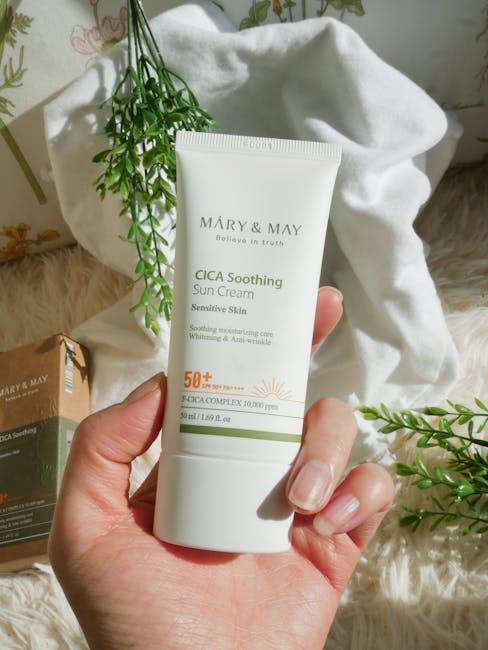
When it comes to protecting our skin from the sun’s relentless rays, the choice of sunscreen can feel like navigating a complex maze. Among the many options, mineral and chemical sunscreens stand out as the two prevailing contenders, each promising effective defense yet delivering distinctly different experiences on the skin. Beyond just SPF ratings and active ingredients, daily comfort and the finish left on your face play crucial roles in deciding which sunscreen becomes a trusted part of your routine. In this article, we delve into the nuanced world of mineral versus chemical sunscreens to explore how they measure up in the everyday moments—examining texture, absorption, appearance, and how they truly feel beneath the day’s demands. Whether you’re a devoted sun protector or a curious newcomer, understanding these subtle differences can help you find the perfect formula that suits both your skin and lifestyle.
Understanding the Key Ingredients and How They Affect Your Skin
When it comes to sunscreen, understanding what’s inside the bottle can dramatically change how your skin reacts and feels throughout the day. Mineral sunscreens primarily use zinc oxide and titanium dioxide—natural, physical blockers that sit atop the skin to deflect UV rays. These ingredients offer broad-spectrum protection immediately upon application and tend to be gentler on sensitive or acne-prone skin due to their minimal absorption. However, their physical nature often results in a slight white cast and a thicker texture, which might affect the overall finish and wearability, especially under makeup.
On the flip side, chemical sunscreens contain organic compounds like avobenzone, octinoxate, and oxybenzone, which absorb UV radiation and dissipate it as heat. These ingredients typically provide a lighter, more invisible finish with a smooth texture favored for daily comfort and layering. Yet, their deeper penetration into the skin can sometimes lead to irritation or sensitivity in delicate skin types. To help clarify, here’s a quick comparison of how these ingredients interact with your skin:
| Ingredient Type | How It Works | Skin Feel | Best For |
|---|---|---|---|
| Mineral Sunscreen | Physical barrier reflecting UV rays | Thicker, can leave white cast | Sensitive, acne-prone, reactive skin |
| Chemical Sunscreen | Absorbs UV rays, converts to heat | Light, smooth, invisible finish | Oily, normal skin, daily wear under makeup |
Evaluating Texture and Wearability for Everyday Use
When it comes to daily wear, the texture of sunscreen plays a crucial role in how comfortable it feels on the skin throughout the day. Mineral sunscreens often boast a thicker, creamier consistency due to their natural zinc oxide or titanium dioxide ingredients. This can sometimes leave a visible white cast, which might feel heavy or chalky, especially for those with medium to dark skin tones. Conversely, chemical sunscreens tend to have a lightweight, fluid texture that absorbs quickly without residue, making them feel almost weightless under makeup or alone. However, lightweight doesn’t always mean more breathable; some chemical formulations can feel slightly sticky in humid conditions.
From a wearability standpoint, daily comfort extends beyond texture—consider how sunscreens interact with sweat, oil, and reapplication throughout the day. Here’s a quick comparison to envision the trade-offs:
| Feature | Mineral Sunscreen | Chemical Sunscreen |
|---|---|---|
| Absorption | Slower, tends to sit on skin surface | Fast, penetrates skin easily |
| Finish | Matte to slightly powdery | Natural to dewy |
| Reapplication Feel | May feel layered or thick | Smoother, blends effortlessly |
| Suitability for Oily Skin | Can be drying, less shine | Varies; some formulas control oil better |
Ultimately, daily comfort will depend on personal preferences and skin type, with the choice of formula shaping not only protection but also the tactile experience each time sunscreen is applied.
Comparing Cosmetic Finish and How It Influences Your Look
When it comes to the way sunscreens settle on your skin, the *cosmetic finish* plays a pivotal role in how you feel throughout the day. Mineral sunscreens often leave behind a subtle, natural-looking matte veil, thanks to their physical blockers like zinc oxide and titanium dioxide. This can be a blessing for those with oily or combination skin, as it tends to reduce unwanted shine. However, the texture might feel a bit heavier or sometimes leave a slight white cast, especially on deeper skin tones. On the other hand, chemical sunscreens absorb UV rays rather than reflecting them, allowing for a lighter, almost invisible finish that blends effortlessly without residue, ideal for those seeking a barely-there look.
To better understand, here’s a quick glance at how both types stack up in terms of finish and skin feel:
| Aspect | Mineral Sunscreen | Chemical Sunscreen |
|---|---|---|
| Texture | Thicker, sometimes pasty | Lightweight, fluid |
| Finish | Matte to semi-matte, slight white cast possible | Sheer, invisible |
| Suitability | Oily & sensitive skin, prefers natural look | Dry to normal skin, likes unobtrusive feel |
| Makeup Compatibility | May require blending; can alter foundation shade | Smoother layering under makeup |
Choosing a sunscreen that complements your daily routine is not only about protection but also about how comfortable and confident you feel wearing it. Consider your skin type, makeup habits, and personal preference for finish to find the perfect match. Whether you opt for the tactile reassurance of minerals or the sleek invisibility of chemicals, the finish directly influences how seamlessly your sunscreen integrates into your style.

Choosing the Right Sunscreen for Your Lifestyle and Skin Type
Finding a sunscreen that harmonizes with both your daily rhythm and skin’s unique needs can feel like decoding a secret language. If you have sensitive or reactive skin, mineral sunscreens, rich in zinc oxide and titanium dioxide, often provide a gentle shield without clogging pores or causing irritation. Their physical barrier reflects UV rays and suits those who prefer a more natural ingredient list. Conversely, if you seek lightweight formulas that absorb quickly and disappear under makeup, chemical sunscreens might be your go-to. They wield organic compounds to absorb UV radiation, offering a smoother finish and often a less visible residue, making them ideal for oily or combination skin and active lifestyles.
Consider your daily activities and skin concerns side by side with this quick guide:
| Lifestyle | Mineral Sunscreen | Chemical Sunscreen |
|---|---|---|
| Outdoor Enthusiast | Durable, broad-spectrum, slight white cast | Lightweight, sweat-resistant, quick absorption |
| Daily Commuter | Gentle, moisturizing, visible finish | Invisible, matte options available |
| Acne-Prone Skin | Non-comedogenic, soothing | Non-irritating, oil-free options |
| Sensitive Skin | Minimal ingredients, calming | May cause irritation if fragranced |
By weighing these factors, you tailor your sun protection to feel less like a chore and more like a natural extension of your beauty ritual. Ultimately, the best sunscreen complements not just your skin but your lifestyle’s tempo—whether you savor a gleaming, natural glow or prefer a seamless finish beneath your everyday layers.
Closing Remarks
In the end, choosing between mineral and chemical sunscreen often comes down to the subtle dance of daily comfort and finish on your skin. Whether you lean toward the natural, often matte veil of mineral formulas or the lightweight, invisible shield of chemical options, both have carved their place in sun protection. Understanding how each feels and behaves throughout your day can transform routine application from a chore into a moment of mindful care. So next time you reach for your sunscreen, consider not just the SPF, but the finish that feels like a true extension of your skin—because the best protection is the one you’ll happily wear, every day.