

In the world of fitness and wellness, few supplements have gained as much spotlight as collagen and protein powder. Both promise to support your body’s health, but they do so in remarkably different ways. Whether you’re aiming to boost muscle growth, enhance skin elasticity, or simply fill nutritional gaps, understanding the unique benefits and purposes of collagen versus protein powder can help tailor your routine to your personal goals. Let’s unravel the science and practical uses behind these popular powders to see which one truly fits your lifestyle better.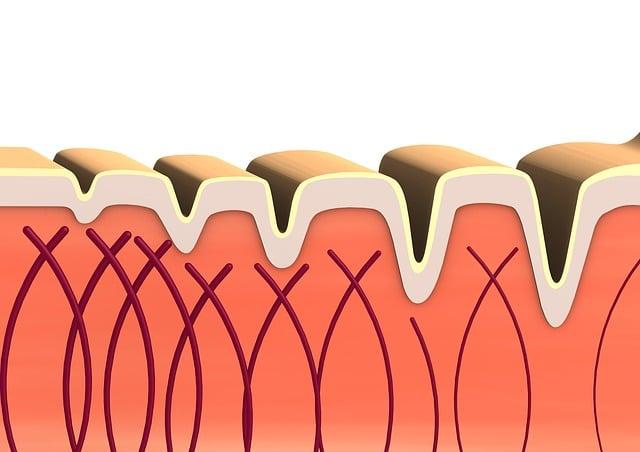
Understanding the Unique Benefits of Collagen and Protein Powder
Collagen is more than just a buzzword in the wellness community—it’s a vital protein that fuels the structural integrity of your skin, hair, nails, and joints. Unlike traditional protein powders that primarily support muscle repair and growth, collagen works behind the scenes to maintain elasticity and hydration, giving your body that resilient, youthful bounce. When incorporated into your daily routine, collagen can help reduce fine lines, strengthen connective tissues, and even support gut health by promoting a healthy digestive lining.
On the other hand, protein powders serve as a powerful ally for those focused on muscle building, weight management, or general fitness recovery. They come in various forms like whey, casein, and plant-based blends, each tailored to different dietary preferences and absorption rates. Below, you can find a quick comparison outlining their distinct benefits:
| Feature | Collagen | Protein Powder |
|---|---|---|
| Primary Benefit | Skin, joints, and connective tissue support | Muscle growth and repair |
| Source | Animal connective tissues (bovine, marine) | Milk, plants, soy, peas |
| Ideal Use | Beauty and joint care routines | Workout recovery and meal supplementation |
| Typical Texture & Taste | Neutral, usually unflavored | Varies—often flavored for taste |
By understanding these unique roles, you can tailor your supplement choices to what best complements your lifestyle goals—whether it’s glowing skin or gaining strength in the gym.
How Collagen Supports Skin and Joint Health Compared to Protein’s Muscle Focus
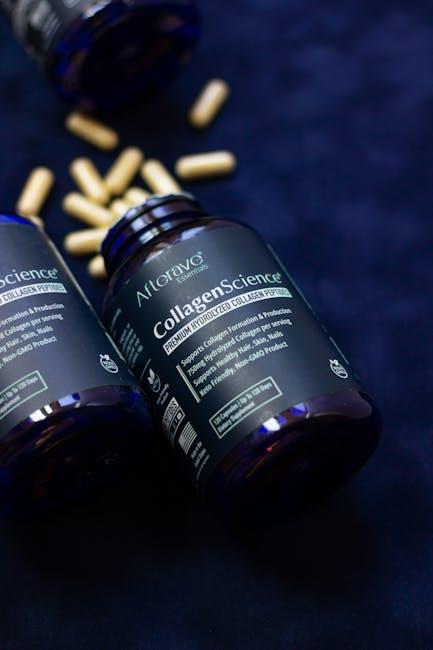
While traditional protein powders are primarily celebrated for their role in enhancing muscle growth and recovery, collagen offers a distinctly different suite of benefits that target structural and connective tissues. Collagen is a vital protein that forms the foundation of skin elasticity and joint integrity, playing a critical role in maintaining hydration and firmness. Unlike muscle-focused proteins that fuel repair and synthesis after workouts, collagen supports the *scaffolding* of your body—keeping skin supple and joints flexible, which is especially crucial as natural collagen production declines with age.
Here’s a quick look at how collagen and protein powders differ in their core benefits:
- Collagen: Enhances skin elasticity, reduces wrinkles, strengthens tendons and ligaments, promotes joint comfort.
- Protein Powder: Repairs muscle tissue, boosts muscle mass, aids in post-exercise recovery, increases satiety.
| Aspect | Collagen | Protein Powder |
|---|---|---|
| Primary Benefit | Skin and joint support | Muscle growth and repair |
| Key Amino Acids | Glycine, proline, hydroxyproline | Leucine, isoleucine, valine (BCAAs) |
| Best For | Aging skin, joint health, connective tissue | Athletic performance, muscle building |
| Typical Form | Hydrolyzed peptides | Whey, casein, plant-based blends |
Choosing the Right Supplement Based on Your Fitness and Wellness Goals
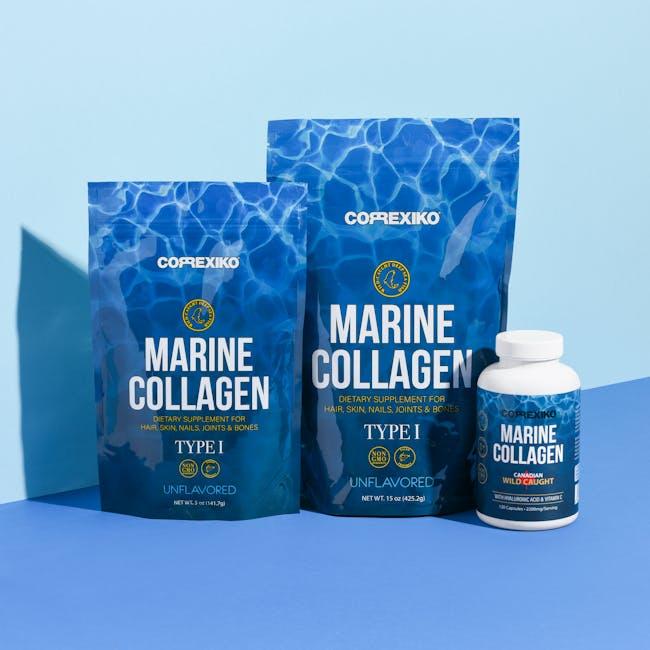
When tailoring your supplement intake to your fitness journey, it’s essential to understand the unique benefits each option offers. Protein powder is a powerhouse for muscle repair and growth, making it a go-to for those prioritizing strength, endurance, and post-workout recovery. Ideal for athletes and gym enthusiasts, protein powders provide a concentrated source of essential amino acids that accelerate muscle synthesis and help reduce soreness. On the other hand, collagen supports the structural integrity of skin, joints, and connective tissues, catering more to individuals seeking enhanced mobility, joint health, or a radiant complexion. Its role is more regenerative than muscle-building, which makes it appealing for aging adults or anyone wanting to maintain supple skin and flexible joints.
Here’s a quick breakdown to visualize where each supplement shines, helping you decide based on your personal goals:
| Goal | Protein Powder | Collagen |
|---|---|---|
| Muscle gain | Supports muscle growth and repair | Minimal impact |
| Joint health | Indirect support via stronger muscles | Directly enhances joint cartilage |
| Skin & hair | Limited effect | Boosts skin elasticity and hydration |
| Recovery | Speeds up muscle recovery | Supports tissue repair |
Ultimately, the right choice depends on what your body needs most. For those focused on sculpting muscles and optimizing workouts, protein powder delivers unmatched efficiency. Conversely, if your priority lies in nurturing joints, tendons, or enhancing skin health, collagen offers specialized support that complements an active lifestyle. Sometimes, combining both wisely can be the optimal strategy for holistic fitness and wellness.

Incorporating Collagen and Protein Powder Into Your Daily Routine for Optimal Results
Integrating collagen and protein powders into your daily routine doesn’t have to be complicated. For best absorption and effectiveness, many find it helpful to consume collagen on an empty stomach, often first thing in the morning or before bedtime. This ritual supports not only skin and joint health but also complements your body’s natural repair cycles. On the other hand, protein powder shines as a post-workout staple, helping to kickstart muscle recovery and growth. Keep your routine flexible by alternating collagen and protein shakes or blending them into smoothies for a power-packed nutrient boost that fuels both beauty and strength.
Tips for seamless integration:
- Collagen: Mix into warm beverages like tea or coffee for enhanced solubility.
- Protein Powder: Combine with fruits and veggies to create a balanced meal replacement.
- Use collagen in recipes like soups or oatmeal to add subtle nutrition without altering taste.
- Stay consistent—morning collagen and afternoon protein shakes can create a well-rounded approach.
| Powder Type | Best Time to Use | Recommended Serving |
|---|---|---|
| Collagen | Morning or Before Bed | 10g (1 scoop) |
| Protein Powder | Post-Workout or Meal Replacement | 20-30g (1-2 scoops) |
Future Outlook
Ultimately, choosing between collagen and protein powder comes down to the unique needs and goals of your body. While collagen may support joint health and skin vitality, protein powder offers a broader spectrum of amino acids for muscle repair and growth. Whether you’re aiming for youthful glow or athletic performance, understanding what each supplement brings to the table empowers you to tailor your routine thoughtfully. In the end, the best fit is the one that complements your lifestyle, fuels your ambitions, and helps you feel your most vibrant self—one scoop at a time.