
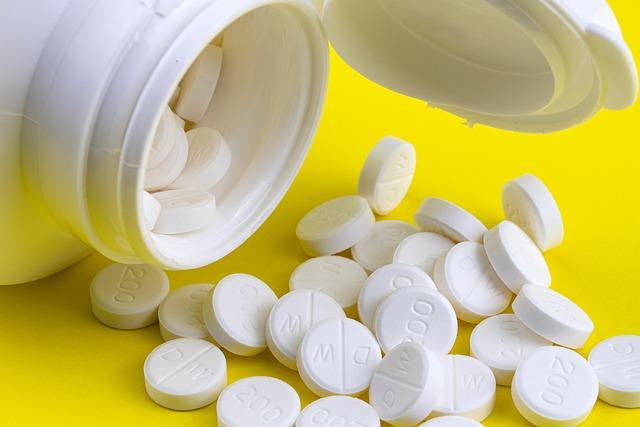
In the ever-expanding world of dietary supplements, choosing the right form can feel like navigating a maze. Among the most popular options, liquid supplements and capsules each boast unique advantages—and challenges—that impact everything from dosage precision to shelf life. As consumers become increasingly discerning about accuracy and product integrity, understanding how these two formats measure up against each other is crucial. This article dives into the nuances of liquid supplements versus capsules, exploring the factors that influence their accuracy and susceptibility to spoilage, helping you make an informed choice tailored to your health needs.
Comparing Dosage Precision in Liquid Supplements and Capsules
When it comes to measuring the exact intake of supplements, capsules inherently provide greater consistency. Each capsule contains a predetermined amount of active ingredients, ensuring that users receive a precise dose every single time without any guesswork. In contrast, liquid supplements rely on manual measurement, often with droppers or measuring cups, which can introduce variability in dosing. While liquid forms offer flexibility in adjusting dosage sizes, they require careful handling to avoid unintended over- or under-consumption.
Here’s a quick comparison to highlight key factors affecting dosage precision:
- Capsules: Factory-controlled dosages, minimal user error.
- Liquid Supplements: Adjustable doses but prone to measuring inconsistencies.
- Storage Impact: Liquids may degrade faster if exposed to air or light, affecting potency.
- Ease of Use: Capsules are convenient for on-the-go use without additional tools.
| Form | Dosage Accuracy | User Control | Potential Variance (%) |
|---|---|---|---|
| Capsules | High | Fixed | ±2% |
| Liquid | Moderate | Flexible | ±10% |
Evaluating Shelf Life and Spoilage Risks Across Supplement Forms
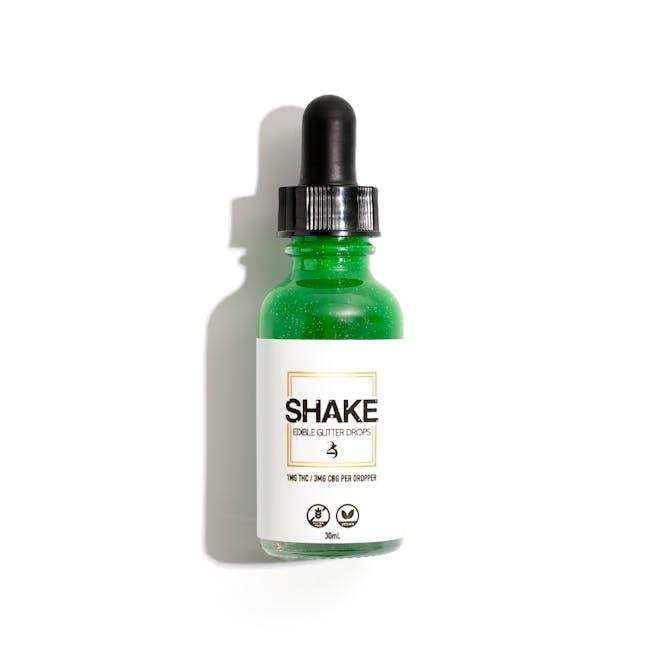
When it comes to keeping supplements fresh and effective, the form they take plays a crucial role. Liquid supplements typically have a shorter shelf life compared to capsules due to their exposure to moisture and potential contaminants. The risk of spoilage is heightened by factors such as temperature fluctuations and light exposure, which can accelerate the degradation of active ingredients. On the other hand, capsules—especially those with protective coatings—tend to create a more stable environment, protecting the contents from oxygen and humidity that often lead to spoilage.
Here’s a quick overview of spoilage risks and shelf life characteristics for each form:
- Liquid Supplements: Prone to microbial growth, require refrigeration after opening, generally 1-2 years shelf life.
- Capsules: More resistant to environmental factors, shelf life typically ranges from 2-3 years, less need for special storage conditions.
| Supplement Form | Shelf Life | Primary Spoilage Risks | Storage Tips |
|---|---|---|---|
| Liquid | 1–2 years | Microbial contamination, ingredient breakdown | Keep refrigerated, avoid light |
| Capsules | 2–3 years | Oxidation, moisture absorption | Store in a cool, dry place |

Best Practices for Storage to Maximize Supplement Integrity
To preserve the effectiveness and longevity of your supplements, maintaining optimal storage conditions is crucial. Temperature control is a key factor; most capsules thrive best when stored at room temperature, away from excessive heat or direct sunlight, which can degrade their potency. Conversely, liquid supplements often require refrigeration after opening to slow down bacterial growth and prevent spoilage. Always check the manufacturer’s guidelines but, in general, keeping containers tightly sealed and stored in a cool, dry place minimizes exposure to moisture and air, two common culprits of nutrient breakdown.
Organizing your supplements can also streamline usage and avoid accidental spoilage. Using clear labels and tracking expiration dates ensures you consume products while they’re still effective. Consider the differences in packaging as well: amber-colored bottles for liquids help block UV light, while airtight blister packs or opaque bottles safeguard capsules. Below is a quick comparison to help you optimize your storage strategy:
| Storage Aspect | Liquid Supplements | Capsules |
|---|---|---|
| Ideal Temp | Refrigerated after opening (4-8°C) | Room temperature (20-25°C) |
| Light Sensitivity | High (use amber bottles) | Moderate (store in opaque containers) |
| Exposure Risk | High (airtight seal essential) | Low to moderate (avoid moisture) |
| Spoilage Speed | Faster once opened | Slower, stable if unopened |
Choosing the Right Form Based on Your Health Needs and Lifestyle
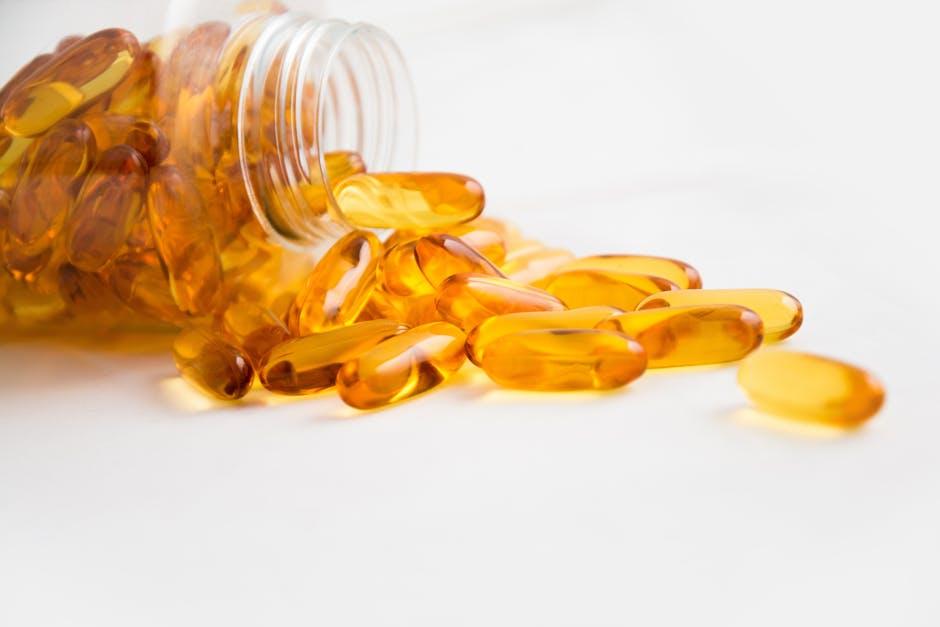
When selecting a supplement form, understanding how it fits into your daily rhythm and health requirements is essential. Liquid supplements are ideal for those who prefer rapid absorption or have difficulty swallowing pills. This form allows for easy dose adjustments, making it perfect for people who require flexible dosing or have sensitive stomachs. Additionally, liquids can be quickly integrated into smoothies or juices, appealing to busy lifestyles. However, they often require refrigeration and may have a shorter shelf life, meaning spoilage is a consideration if not used promptly.
On the other hand, capsules present a convenient and mess-free option, especially for those frequently on the go. Their pre-measured doses guarantee accuracy and reduce the risk of overconsumption. Capsules also tend to have longer shelf stability without the need for special storage conditions, which suits users who prefer a low-maintenance approach. Below is a quick comparison to help guide your choice:
| Factor | Liquid Supplements | Capsules |
|---|---|---|
| Absorption Speed | Faster | Slower |
| Dosing Flexibility | Highly flexible | Fixed doses |
| Storage | Often refrigerated | Room temperature |
| Shelf Life | Shorter | Longer |
| Convenience | Requires measuring | Easy to carry |
Final Thoughts
Ultimately, the choice between liquid supplements and capsules hinges on a delicate balance of accuracy and spoilage considerations. Liquids offer a flexible dosage and rapid absorption but often demand extra caution with storage and shelf life. Capsules, on the other hand, provide measured consistency and protection from environmental factors, yet may fall short in customizable dosing. By understanding the strengths and limitations of each form, consumers can make informed decisions tailored to their health goals and lifestyle. In the nuanced world of supplementation, accuracy and freshness go hand in hand—reminding us that sometimes, the best choice is simply the one that fits you best.