
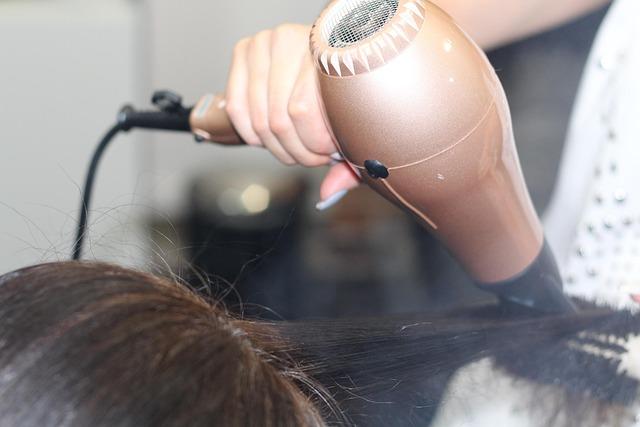
In the ever-evolving world of hair styling tools, the blow-dry brush and the hot brush have emerged as popular contenders for achieving salon-worthy locks at home. Both promise to combine drying and styling in a single step, but anyone venturing into their use quickly encounters a unique learning curve and distinctive results. Navigating the nuances between these two tools can feel like choosing between art and science—each requires technique and patience to unlock its true potential. In this article, we’ll explore how the blow-dry brush and hot brush stack up against each other in terms of ease of use, styling versatility, and the quality of the final look, helping you decide which might best suit your hair routine.
Understanding the Learning Curve of Blow-Dry Brushes and Hot Brushes
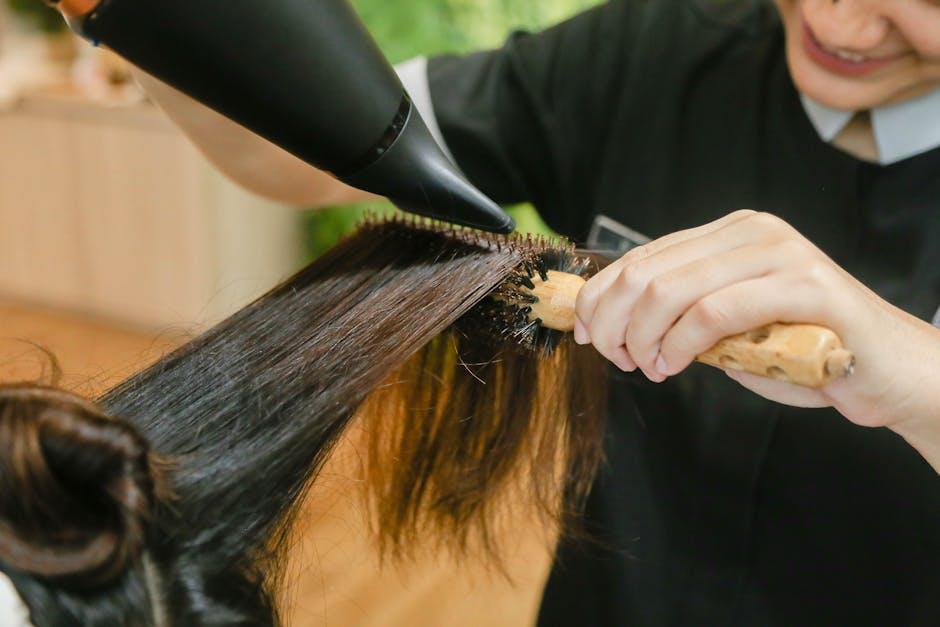
Mastering a blow-dry brush often involves a brief adjustment period, especially for those accustomed to traditional flat irons or simple hair dryers. Unlike standard styling tools, blow-dry brushes require coordinated hand movements that combine brushing, drying, and styling simultaneously. Beginners typically face challenges such as maintaining the right angle for optimal airflow and controlling the tension on the hair to avoid frizz. However, the learning curve is generally gentle due to the intuitive design, making it accessible for everyday use once you get the hang of it. Users praise the ability to achieve smooth, voluminous results with minimal effort after just a few practice sessions.
Hot brushes, on the other hand, offer a different experience altogether. They blend the functions of curling irons and straighteners, demanding precision in twisting and rotating techniques. The initial learning stage may be steeper, as users must become comfortable with the brush’s heat settings and timing to avoid heat damage or uneven styling. The payoff lies in their versatility – from soft waves to sleek finishes, once mastered, hot brushes become a powerful tool in any styling arsenal. Here’s a quick look at the typical learning curve comparison:
| Tool | Ease of Learning | Common Beginner Challenges | Styling Versatility |
|---|---|---|---|
| Blow-Dry Brush | Moderate | Angle control, hair tension | Straightening, volume |
| Hot Brush | Steeper | Heat control, twisting technique | Waves, curls, smoothing |
Key Differences in Styling Techniques and User Experience
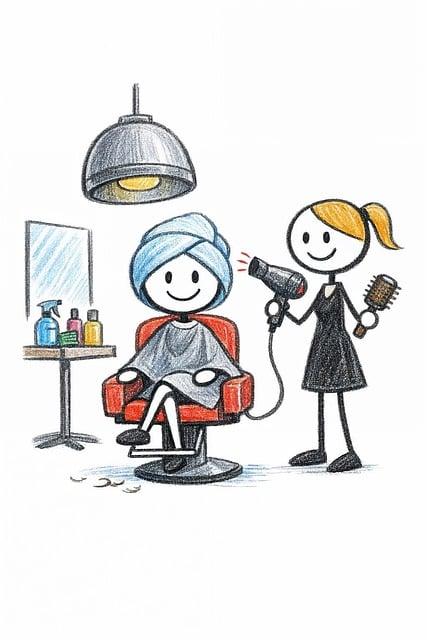
When comparing the blow-dry brush and the hot brush, styling techniques reveal distinct approaches that directly impact the process and outcome. The blow-dry brush typically requires a more hands-on method—users must section their hair and rotate the brush to achieve volume and smoothness, similar to a traditional blow-dry style. In contrast, the hot brush simplifies this with a one-step design that allows for effortless gliding through hair, combining heat and brushing simultaneously for quicker styling. The blow-dry brush demands a bit of practice to master timing and pressure, while the hot brush tends to be more intuitive for beginners.
User experience also varies greatly between the two tools. The blow-dry brush often results in a longer styling session but offers greater control over shape and lift, making it ideal for those who prefer customized looks. On the other hand, the hot brush offers convenience and speed, perfect for busy mornings or touch-ups. Below is a quick comparison highlighting these factors:
| Feature | Blow-Dry Brush | Hot Brush |
|---|---|---|
| Technique | Sectioning & rotating with airflow control | Single-pass brushing with heat |
| Learning Curve | Moderate; requires practice | Easy; beginner-friendly |
| Styling Time | Longer, precise styling | Quicker, effortless touch-ups |
| Control | High control over volume & shape | Limited to smoothening & light volume |
Comparing Results: Volume, Smoothness, and Curl Definition
When it comes to volume, the blow-dry brush consistently delivers a fuller lift at the roots, thanks to its combination of hot air and bristle tension. This makes it ideal for those aiming to create bouncy, voluminous styles without sacrificing natural flow. On the other hand, hot brushes provide a subtler lift but excel in enhancing overall smoothness. Their ceramic surfaces glide through the hair, sealing the cuticle and reducing frizz, which results in a sleek, polished finish. Both tools cater to different preferences: if you crave body and bounce, the blow-dry brush takes the lead, but for that silky, controlled look, the hot brush is the way to go.
Regarding curl definition, neither tool produces tight curls like traditional curling irons, but they each create soft, natural waves with a modern flair. The blow-dry brush tends to form more pronounced bends, making it easier to sculpt loose curls and flicks. Meanwhile, the hot brush excels at subtle shaping, perfect for creating gentle bends or adding just a whisper of movement at the ends. Here’s a quick comparison for clarity:
| Feature | Blow-Dry Brush | Hot Brush |
|---|---|---|
| Volume | High root lift, voluminous body | Moderate, natural volume |
| Smoothness | Moderate frizz control | High shine, sleek finish |
| Curl Definition | Soft waves, noticeable bends | Subtle waves, gentle movement |
Expert Tips for Choosing the Right Tool Based on Your Hair Type and Skill Level
Choosing the perfect styling tool hinges on your unique hair texture and how comfortable you are with handling new gadgets. For those with fine or thin hair, a blow-dry brush offers gentle heat combined with airflow, making it easier to add volume without frying delicate strands. If you’re a beginner eager to achieve sleek, polished looks, this tool’s intuitive design and adjustable heat settings will be your best friend. On the other hand, individuals sporting thicker, coarser hair might benefit more from a hot brush, which uses direct heat and bristles to smooth and shape stubborn locks faster — ideal for intermediate users comfortable with balancing temperature and styling time.
Before making your choice, consider these quick guidelines to match your hair type with your skill level:
- Fine or limp hair: Opt for blow-dry brushes to boost volume gently.
- Curly or frizzy hair: Hot brushes tame curls efficiently but need practice to avoid heat damage.
- Thick, coarse hair: Hot brushes work better with higher temperatures and firmer bristles.
- Styling beginners: Blow-dry brushes offer a more forgiving experience.
- Experienced users: Hot brushes allow for advanced styling techniques with quicker results.
| Hair Type | Recommended Tool | Skill Level | Key Benefits |
|---|---|---|---|
| Fine & Thin | Blow-Dry Brush | Beginner | Adds volume, gentle heat |
| Wavy & Frizzy | Hot Brush | Intermediate | Smooths waves, reduces frizz |
| Thick & Coarse | Hot Brush | Advanced | Efficient styling, strong hold |
Wrapping Up
In the end, choosing between a blow-dry brush and a hot brush comes down to your personal style priorities and how much time you’re willing to invest in mastering the tool. While each offers its own unique learning curve and distinct results—from salon-worthy smoothness to effortless volume—the best brush is ultimately the one that feels like an extension of your hand. So, whether you’re seeking sleek precision or playful bounce, embrace the journey of experimentation, and let your hair tell the story. After all, the perfect finish is as much about confidence as it is about technique.