
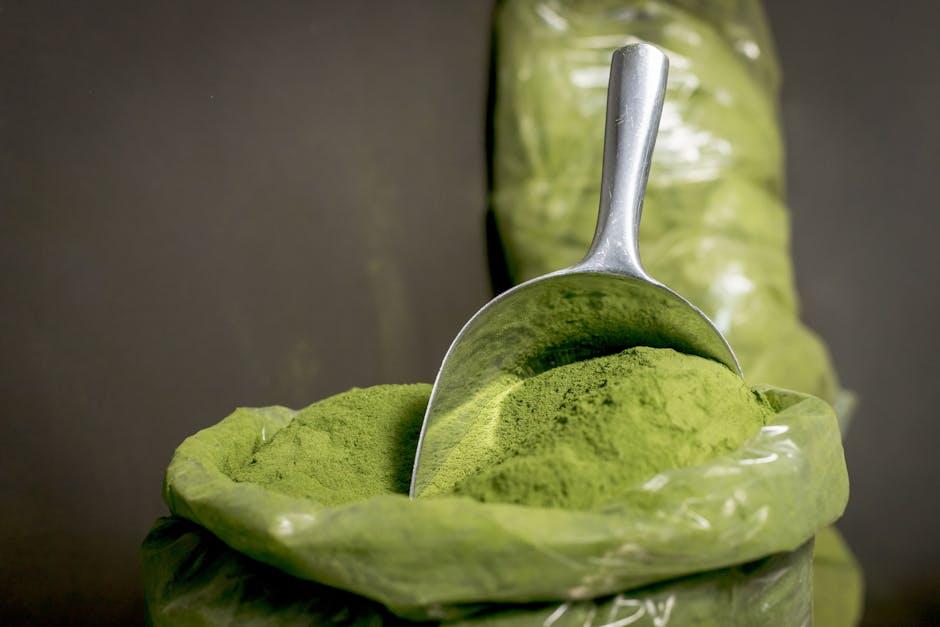
In the ever-expanding world of health and wellness, two popular contenders often find their way onto the shelves—and into our daily routines: greens powders and fiber supplements. Both promise to boost our well-being, but what do these vibrant powders really offer beyond the marketing buzz? Are they interchangeable allies in the quest for better health, or do they serve distinct purposes beneath their colorful containers? This article dives into the heart of greens powders and fiber supplements, unpacking what you’re actually getting when you reach for each, so you can make informed choices tailored to your body’s unique needs.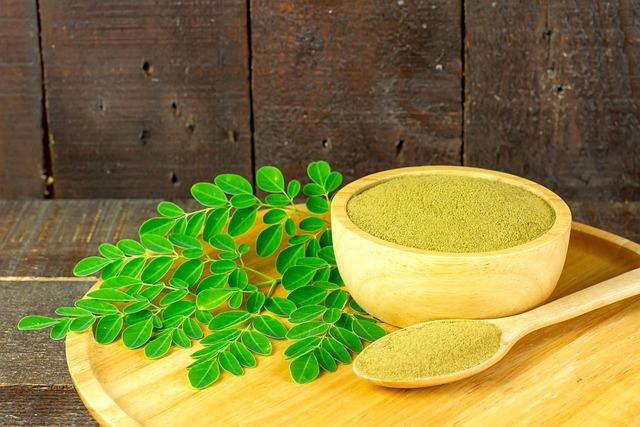
Understanding the Nutritional Profiles Behind Greens Powders and Fiber Supplements
Greens powders are often celebrated for their concentrated mix of vegetables, fruits, and algae that pack a broad spectrum of vitamins and antioxidants. Unlike fiber supplements that primarily focus on promoting digestive health, greens powders offer a multifaceted nutritional profile, including vitamin C, vitamin K, iron, and magnesium. These powders can provide a subtle energy boost through their phytonutrients and may support immune function thanks to the diverse plant compounds. However, the actual fiber content in greens powders can vary significantly, often making them less effective as a primary source of daily fiber intake.
On the other hand, fiber supplements are designed to target gut health by increasing soluble and insoluble fiber intake, which aids digestion, supports regularity, and helps regulate blood sugar levels. Their nutritional scope is more limited but highly specialized. Here’s a quick comparison table to highlight key differences in typical serving sizes:
| Feature | Greens Powder | Fiber Supplement |
|---|---|---|
| Primary Benefit | Overall nutrition and antioxidants | Digestive health and regularity |
| Fiber Content (per serving) | 2-5 grams | 5-10 grams |
| Additional Nutrients |
| Minimal to none |

Digging Into Digestive Health Benefits and What Science Actually Says
Both greens powders and fiber supplements claim to promote digestive well-being, but their mechanisms and benefits differ significantly. Greens powders often combine a blend of vegetables, algae, and probiotics designed to provide antioxidants, support gut flora, and contribute to overall nutrient intake. These products can enhance digestive health mainly by fostering a balanced microbiome and reducing inflammation through their rich array of phytonutrients. However, their fiber content varies widely and is often less than dedicated fiber supplements.
On the other hand, fiber supplements focus explicitly on increasing dietary fiber intake, which is a key player in digestive regularity and stool formation. Soluble fibers, like psyllium, ferment in the gut to produce beneficial short-chain fatty acids that nourish colon cells, while insoluble fibers add bulk and speed up intestinal transit. Understanding these differences is essential when choosing between these options, especially if your goal is targeted digestive health support.
- Greens Powder: Broad nutrient and antioxidant support; moderate fiber; probiotic inclusion.
- Fiber Supplement: High fiber concentration; targets bowel regularity; supports short-chain fatty acid production.
| Aspect | Greens Powder | Fiber Supplement |
|---|---|---|
| Primary Benefit | Digestive flora support & antioxidants | Improved bowel movement & stool bulk |
| Typical Fiber Content | Low to moderate | High |
| Additional Ingredients | Probiotics, enzymes, greens | Mostly isolated fibers (soluble/insoluble) |
| Ideal For | Overall gut health and nutrition | Constipation relief and fiber boosting |

How to Choose the Right Supplement Based on Your Lifestyle and Dietary Needs
When deciding between a greens powder and a fiber supplement, it’s essential to align your choice with your daily habits and nutritional gaps. If your lifestyle involves a lot of fast food, limited vegetable intake, or you’re seeking a simple way to boost antioxidant and vitamin levels, a greens powder can be a powerful ally. These blends often include a variety of leafy greens, algae, and superfoods, providing a spectrum of micronutrients and plant-based compounds. On the other hand, if your diet lacks sufficient natural fiber—perhaps due to low fruit, vegetable, or whole grain consumption—a dedicated fiber supplement can support digestion, improve bowel regularity, and help maintain stable blood sugar levels.
Consider the following points to tailor your supplement choice:
- Digestive health: Fiber supplements often come in soluble, insoluble, or mixed forms—choose based on whether you want to ease constipation or promote fullness.
- Nutritional diversity: Greens powders offer more than just fiber—they include vitamins like A, C, K, and trace minerals that fiber alone can’t provide.
- Convenience: Fiber powders are usually neutral-tasting and easy to mix, while some greens powders may have stronger flavors depending on their ingredient blend.
- Specific goals: For weight management, fiber can aid satiety, whereas greens powders support immune function and energy metabolism.
| Factor | Greens Powder | Fiber Supplement |
|---|---|---|
| Primary Benefit | Vitamins & antioxidants | Improved digestion & satiety |
| Key Nutrients | Vitamin A, C, K, chlorophyll | Soluble & insoluble fiber |
| Flavor Profile | Earthy, grassy | Neutral, mild |
| Best For | Nutrient gaps, energy boost | Regularity, appetite control |
Maximizing Results When Combining Greens Powders and Fiber Supplements
Combining greens powders with fiber supplements can unlock a powerful synergy that elevates your digestive health and nutrient absorption. Greens powders are packed with antioxidants, vitamins, and minerals from a variety of nutrient-dense plants, but they often lack sufficient fiber content. On the other hand, fiber supplements primarily focus on promoting healthy digestion, regulating blood sugar, and maintaining bowel regularity. When used together, greens powders provide the micronutrient punch while fiber supplements contribute the bulk required for optimal gut function. This balance helps you fully harness the benefits of both, ensuring that the nutrients in your greens powder reach your bloodstream more effectively, supported by a healthy intestinal environment.
To maximize the results, consider timing and variety. Taking fiber supplements with ample water before or after your greens powder can prevent potential gastrointestinal discomfort while enhancing fiber’s natural ability to bind and cleanse the digestive tract. Additionally, rotating different types of fiber—soluble and insoluble—alongside diverse greens formulations loaded with superfood blends ensures a broad spectrum of nutrients and consistent digestive benefits. Below is a summary of key dynamics when combining these supplements:
| Supplement | Primary Benefit | Best Use Tip |
|---|---|---|
| Greens Powder | Vitamins & Antioxidants | Take with water on an empty stomach for better absorption |
| Fiber Supplement | Digestive Health & Regularity | Consume with plenty of water and space from greens powder |
The Conclusion
In the end, whether you reach for greens powder or a fiber supplement depends on what your body truly needs—and what your lifestyle can support. Greens powders offer a vibrant blend of nutrients and antioxidants, capturing the essence of fresh produce in a convenient scoop. Fiber supplements, on the other hand, focus laser-like on digestive health, providing targeted support for regularity and gut balance. Understanding the distinct benefits and limitations of each empowers you to make a choice that aligns with your wellness goals—not just the label trends. So next time you face the aisle, remember: it’s not about one being better than the other, but about what you’re actually getting for your health journey.