
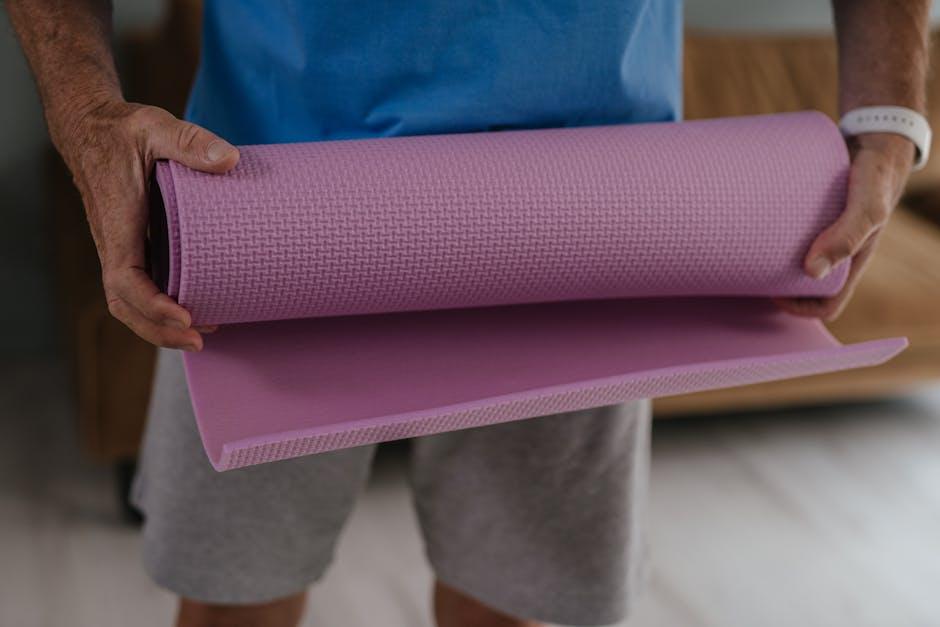
In the world of yoga, the mat beneath your feet is more than just a surface—it’s your foundation, your anchor, your silent support through every stretch and pose. But with an overwhelming array of yoga mats flooding the market, how do you know which one truly elevates your practice? In this article, we put popular yoga mats to the test, examining three crucial qualities: grip, sweat performance, and cleaning ease. Whether you’re a seasoned yogi or just beginning your journey, discover which mats stand up to the challenge and help you find your perfect balance.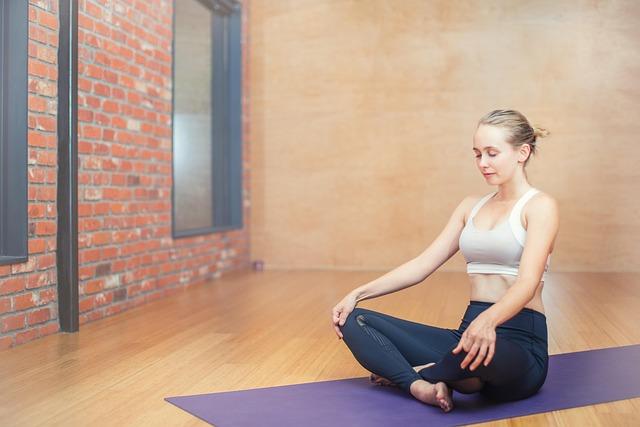
Choosing the Right Surface Grip for Your Practice
When selecting a surface grip for your practice, consider the texture that best complements your style of yoga. Some practitioners thrive on a sticky, rubberized feel that anchors their hands and feet, reducing the risk of slips during dynamic flows or sweaty sessions. Others might prefer a softer, more cushioned surface providing gentle traction with a slight give, ideal for restorative or yin practices. Additionally, always factor in the mat’s response to moisture—whether it retains its grip as sweat accumulates or turns slick and hazardous. Finding the right balance between tackiness and comfort can elevate your focus and stability in every pose.
Beyond sensation, upkeep plays a crucial role in sustaining optimal grip. Mats made from natural rubber or microfiber often require a bit more care to maintain their textural integrity, while synthetic options may offer easier cleaning but sometimes at the cost of reduced traction over time. Below is a quick reference to common grip surface types and their characteristics:
| Grip Surface | Traction Level | Maintenance | Best For |
|---|---|---|---|
| Natural Rubber | High | Moderate (air dry, avoid oils) | Vinyasa, Hot Yoga |
| Microfiber Top Layer | Moderate | Regular washing (machine or hand) | Restorative, Yin Yoga |
| Polyurethane Coated | Very High (initially) | Gentle wipe-down | Power Yoga, Ashtanga |
| PVC | Low to Moderate | Easy, wipe clean | Beginner, Budget-Friendly |
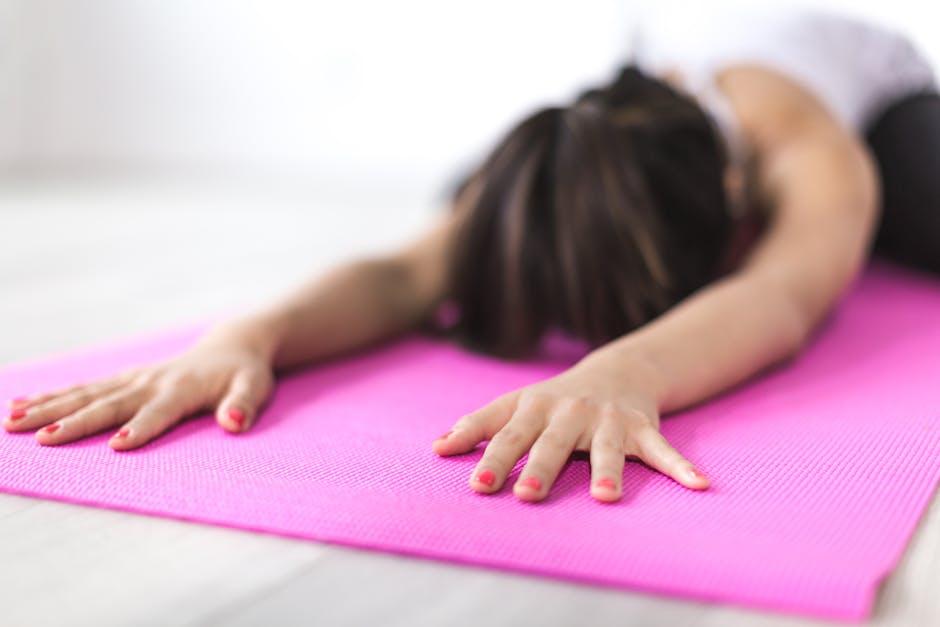
Evaluating Sweat Absorption and Slip Resistance Under Pressure
When practicing yoga, the mat’s ability to handle sweat without turning into a slick hazard can make or break your session. Our tests measured how well each mat absorbs moisture while maintaining a solid grip under various pressure levels. Mats with highly absorbent surfaces channel sweat away quickly, preventing puddles and helping maintain steadiness during intense flows or prolonged holds. Conversely, mats with poor absorption transformed quickly into slip zones, compromising safety and focus.
Pressure plays a pivotal role as it simulates the weight your hands and feet apply during balances and transitions. Some mats exhibited a noticeable shift in traction when pressure increased, while others kept their grip consistent regardless of moisture levels or weight. Below is a quick comparison of select mats under controlled sweat application and applied force, highlighting their performance in staying both dry and stable:
| Mat Model | Sweat Absorption | Grip Under Pressure | Slip Resistance Rating |
|---|---|---|---|
| ZenFlow Pro | High | Excellent | 9/10 |
| EcoGrip Lite | Moderate | Good | 7/10 |
| PureStretch Max | Low | Fair | 5/10 |
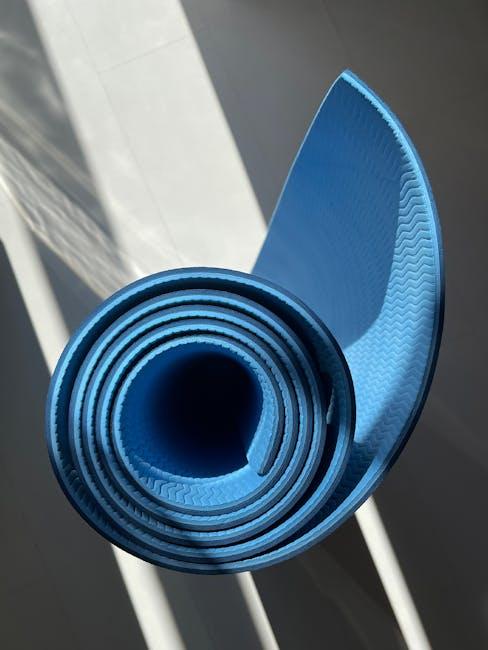
Cleaning Challenges and Maintenance Tips for Long-lasting Mats
Maintaining a yoga mat’s fresh feel and optimal performance can be surprisingly tricky, especially when sweat and dirt accumulate after daily practice. Many mats feature textured surfaces to enhance grip, but these grooves often trap grime, making simple wipe-downs insufficient. Using a gentle cleanser—like a mixture of water and mild soap or a dedicated yoga mat spray—helps dissolve sweat residues without damaging the material. Avoid harsh chemicals or machine washing, as they can degrade the mat’s structure and its non-slip properties. Regularly airing out your mat in indirect sunlight also prevents mold and unpleasant odors from settling in.
For busy yogis, developing a consistent cleaning routine can extend the life of your mat significantly. Incorporating these handy tips will keep your practice both hygienic and comfortable:
- Spot clean after every session using a damp cloth.
- Deep clean monthly with a diluted vinegar solution for natural antibacterial benefits.
- Roll the mat with the top side facing out to avoid curling or creasing.
- Store mats on flat surfaces or carrying bags to protect their texture.
| Cleaning Challenge | Recommended Action |
|---|---|
| Sticky residue buildup | Wipe with a water-vinegar solution |
| Odor retention | Air dry in a shaded, ventilated area |
| Surface wear | Avoid direct sunlight and harsh scrubbing |
| Mat curling | Roll with grip side out and store flat |
Top Recommended Yoga Mats for Durability and Hygiene
For yogis prioritizing longevity and cleanliness, certain mats consistently rise above the rest. Natural rubber mats stand out for their impressive durability, resisting tearing and wear even after months of frequent use. Their surface texture not only offers enhanced grip but also naturally resists the buildup of sweat and bacteria, making them a smart choice for those mindful of hygiene. Meanwhile, PVC mats are celebrated for their easy wipe-down capabilities, shedding sweat quickly without absorbing moisture, although their lifespan might be shorter compared to natural alternatives.
When selecting a mat, material composition plays a key role in maintenance and durability. Here’s a quick breakdown of popular options and their core features:
| Material | Durability | Hygiene | Cleaning Ease |
|---|---|---|---|
| Natural Rubber | High – Long-lasting | Natural antimicrobial | Moderate (needs gentle cleaning) |
| Polyvinyl Chloride (PVC) | Medium – Prone to wear | Non-absorbent surface | Easy wipe-down |
| Thermoplastic Elastomer (TPE) | Moderate | Hypoallergenic, resists bacteria | Easy and water-friendly |
| Jute | Medium-high | Breathable, less sweat retention | Requires careful cleaning |
Ensuring your mat maintains its performance means balancing durability with straightforward cleaning routines. Investing in mats with antimicrobial properties or materials designed to repel moisture will save you time and keep your practice fresh session after session.
Future Outlook
As the final stretch of our yoga mat journey comes to a close, it’s clear that choosing the right mat is as much about personal flow as it is about function. Whether you prioritize grip to hold that challenging pose, sweat resistance to stay steady in the heat, or ease of cleaning to keep your practice fresh, the perfect mat is out there waiting to support your every move. Remember, the best yoga mat isn’t just a surface—it’s the foundation of your practice, a silent partner in every breath and balance. So roll out your mat with confidence, knowing you’ve found a companion that moves with you, no slip-ups included. Namaste to comfort, control, and clean simplicity.