
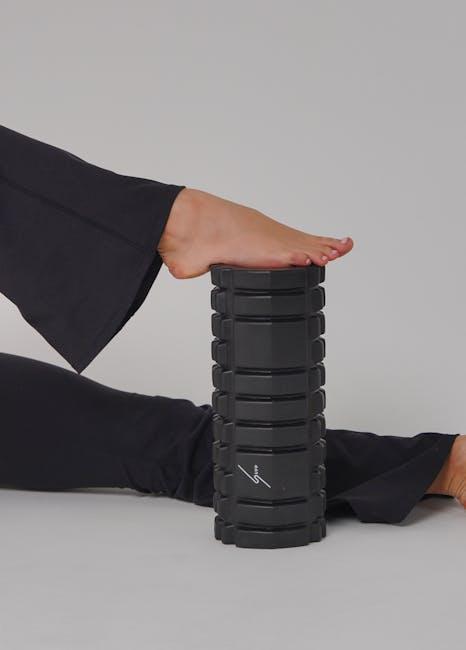
In the world of self-care and muscle recovery, foam rollers have become indispensable tools for athletes and casual exercisers alike. Yet, when faced with the choice between smooth and textured foam rollers, many find themselves at a crossroads—each promising unique benefits, but differing greatly in feel and function. This article delves into the subtle nuances that set smooth and textured foam rollers apart, unraveling how their designs impact comfort, effectiveness, and your overall rolling experience. Whether you’re seeking gentle relaxation or targeted muscle relief, understanding these differences can help you find the perfect match for your body’s needs.
Understanding the Design Differences Between Smooth and Textured Foam Rollers
Foam rollers come in two main varieties—smooth and textured—each offering distinct tactile experiences that cater to different needs. Smooth rollers boast a sleek surface designed for even pressure distribution, making them ideal for gentle muscle relief and beginners easing into self-myofascial release. Their simplicity allows for a comfortable glide across larger muscle groups without overwhelming sensitivity, which promotes relaxation and reduces overall tension. Smooth rollers are particularly suited for warm-ups and cooling down, providing a softer touch that encourages circulation without intense pinpoint pressure.
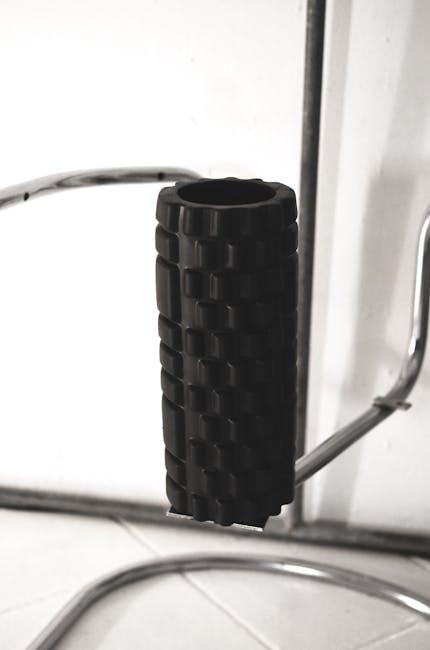
On the other hand, textured foam rollers are engineered with ridges, knobs, or grids that mimic the hands of a massage therapist, delivering deeper, targeted stimulation. These intricate patterns help break down knots and adhesions in muscle tissue, offering an intense therapeutic effect that can boost mobility and accelerate recovery post-workout. Textured rollers are favored by athletes and those with dense muscle soreness who seek a more vigorous approach to muscle maintenance. The varied surfaces allow for customized pressure application, turning each roll into a tailored massage session that penetrates layers of tightness.
- Smooth Rollers: Gentle, even pressure, beginner-friendly, promotes relaxation.
- Textured Rollers: Deep tissue impact, intense massage, ideal for stubborn knots.
| Feature | Smooth Foam Roller | Textured Foam Roller |
|---|---|---|
| Surface | Flat and even | Ridges, knobs, or grids |
| Pressure Type | Consistent | Targeted and variable |
| Best For | Relaxation and beginners | Deep muscle relief and athletes |
| Intensity | Low to moderate | Moderate to high |
The Impact of Surface Texture on Muscle Relief and Comfort
Foam rollers come in a variety of surface textures, each designed to target muscle relief in unique ways. Smooth rollers provide a more even pressure distribution, making them ideal for beginners or those seeking gentle myofascial release. Their uniform surface promotes relaxation without causing discomfort, allowing muscles to ease into lengthening and tension reduction. In contrast, textured rollers feature grooves, ridges, or knobs that mimic the hands of a massage therapist, delivering a deeper, more focused pressure. These contours can reach stubborn knots and tight spots more effectively, increasing blood flow and accelerating recovery, although they may feel intense for sensitive users.
Choosing between surface textures often depends on personal comfort and the specific needs of your muscles. Consider the following benefits when deciding:
- Smooth: Ideal for large muscle groups, reducing surface friction, and promoting gentle relaxation.
- Textured: Better suited for breaking up adhesions, targeting trigger points, and enhancing deeper tissue stimulation.
| Feature | Smooth Roller | Textured Roller |
|---|---|---|
| Pressure Intensity | Low to Moderate | Moderate to High |
| Muscle Targeting | General | Specific Knots & Tightness |
| User Comfort | High | Variable (may cause discomfort) |
| Recommended For | Beginners & Sensitive Muscles | Experienced Users & Deep Tissue Work |

Choosing the Right Foam Roller for Your Body Type and Fitness Goals
When selecting a foam roller, it’s essential to consider your body type along with your fitness ambitions. Those with a leaner build or sensitive muscle groups often find smooth rollers gentler and better suited for recovery, as they evenly distribute pressure without targeting specific knots aggressively. Conversely, individuals with a more muscular or denser physique may benefit from textured rollers, which offer deep tissue massage by applying concentrated pressure to trigger points. Your personal pain threshold and desired intensity level should guide you—whether you seek soothing, gradual relief or an invigorating, targeted release.
Aligning your foam roller choice with your fitness goals amplifies effectiveness. For flexibility and general muscle maintenance, smooth rollers provide consistent pressure that encourages blood flow and relaxation. For strength training or intense workouts, textured rollers with ridges or knobs stimulate deeper fascia layers, aiding in faster recovery and improved mobility. Below is a quick guide to help you match your needs:
| Body Type | Recommended Roller | Ideal Fitness Goal |
|---|---|---|
| Lean/Sensitive | Smooth Roller | Recovery & Relaxation |
| Muscular/Dense | Textured Roller | Deep Tissue Release & Mobility |
| All Body Types | Hybrid Designs | Versatile Training & Rehab |
- Consider roller density: Firmer rollers penetrate deeper but may be uncomfortable for beginners.
- Size matters: Larger rollers offer stability; smaller ones are great for targeting specific muscle groups.
- Texture variety: From smooth to grid to knobbed surfaces, pick one that complements your recovery routine.

Expert Tips on Maximizing Comfort and Effectiveness with Foam Rollers
To truly optimize your foam rolling experience, start by choosing the right surface texture based on your body’s needs. Smooth rollers are ideal for beginners or those with sensitive muscle groups, offering gentle pressure and a more forgiving touch. They allow for controlled movements and are excellent for warming up muscles or adding light myofascial release without overstimulating tender areas. On the other hand, textured rollers with ridges and knobs deliver deep tissue massage, perfect for breaking down adhesions and knots. Use textured rollers strategically on dense muscle groups or chronic tension spots to maximize effectiveness without sacrificing comfort.
- Adjust Your Body Weight: Ease into the pressure by supporting more of your weight with your hands or feet initially, then gradually shift more weight onto the roller as you acclimate.
- Breathe Deeply: Synchronize your breathing with rolling motions to relax muscles, enhancing blood flow and reducing discomfort.
- Roll Slowly: Controlled, deliberate movements allow the muscle fibers to relax and release tension more effectively than fast, erratic rolls.
| Tip | Comfort Level | Effectiveness |
|---|---|---|
| Start with light pressure | High | Moderate |
| Anchor on elbows or hands | Medium | High |
| Use slow rolling motions | High | High |
| Alternate between smooth and textured | Medium | Very High |
Future Outlook
In the end, whether you reach for a smooth or textured foam roller depends on your unique needs and preferences. Smooth rollers offer a gentle, even pressure perfect for those new to self-myofascial release or seeking a soothing experience. Textured rollers, with their knobs and ridges, provide a deeper, targeted massage that can unlock stubborn knots and tightness. By understanding the differences—and listening to your body—you can choose the tool that best supports your comfort and recovery. After all, the path to relief is as individual as the muscles you’re tending to.