
In a world increasingly illuminated by screens, blue light glasses have emerged as a popular shield against digital eye strain. Yet, as you delve into the realm of eyewear designed to filter blue light, a subtle choice awaits: clear or tinted lenses. Both promise comfort and protection, but they tell different stories when it comes to appearance and feel. This article explores the delicate balance between function and style, helping you navigate the nuanced world of clear versus tinted blue light glasses, where comfort meets look in unexpected ways.
Understanding the Comfort Levels of Clear and Tinted Blue Light Glasses
When considering comfort, clear blue light glasses typically appeal to users seeking subtle protection without altering the visual experience drastically. Their transparent lenses provide a natural view, making them ideal for prolonged screen time without the sensation of color distortion or fatigue. Because they don’t tint your vision, you might find yourself less distracted, especially during tasks requiring color accuracy like graphic design or photo editing. However, some wearers report that clear lenses may not filter out intense blue light as robustly as tinted options, potentially impacting eye comfort during extended exposure.
On the flip side, tinted blue light glasses introduce a noticeable hue—often amber or yellow—which helps actively block and absorb more blue light. This tint can reduce glare and ease eye strain, particularly during late-night computer use or in environments with harsh artificial lighting. The trade-off, however, is the shift in color perception, which might be less desirable for some daily activities. Below is a quick comparison of comfort features to consider:
| Comfort Aspect | Clear Lenses | Tinted Lenses |
|---|---|---|
| Visual Clarity | Natural colors, minimal distortion | Slight color shift (warm tint) |
| Eye Strain Reduction | Moderate protection | Enhanced glare and strain reduction |
| Extended Use Comfort | Good for all-day wear | Best for evening or focused sessions |
| Light Sensitivity | Less impact | Helpful for sensitive eyes |
Evaluating the Aesthetic Impact on Everyday Wear
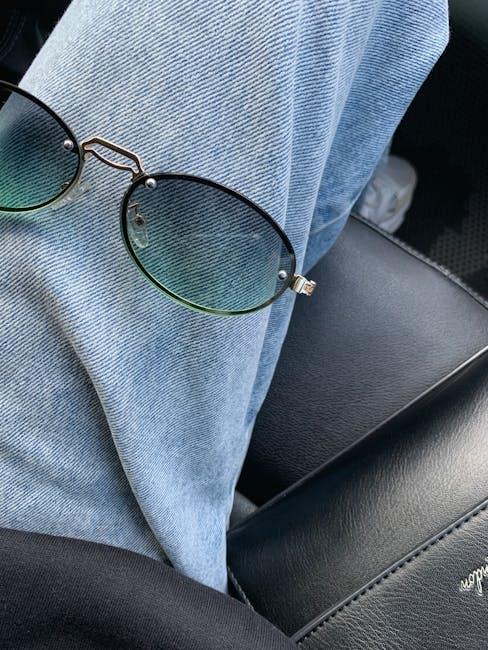
When it comes to integrating blue light glasses into your daily attire, aesthetics play a surprisingly significant role. Clear lenses offer a minimalist look that seamlessly blends with almost any outfit—ideal for those who prefer understated accessories. Their transparency maintains the natural appearance of your eyes, making them perfect for professional settings where subtlety is key. In contrast, tinted lenses introduce a hint of color that can either complement or clash with your personal style, depending on the shade and frame design. While the subtle blue or amber hues add a fashionable edge, they do tend to draw attention, which might not always be desirable when aiming for a polished, clean look.
Consider the following visual and style factors when choosing between the two:
- Face shape compatibility: Clear lenses often highlight frames, making face shape the focal point.
- Color coordination: Tinted lenses can act as an accessory, adding color contrast to neutral outfits.
- Occasion versatility: Clear lenses suit both casual and formal events; tinted lenses lean more casual or trendy.
| Aspect | Clear Lenses | Tinted Lenses |
|---|---|---|
| Visual Presence | Subtle, blends in | Noticeable, stylish |
| Color Impact | Neutral | Varies by tint |
| Suitability | All occasions | Casual & Trendy |
Assessing Eye Strain Relief and Visual Clarity
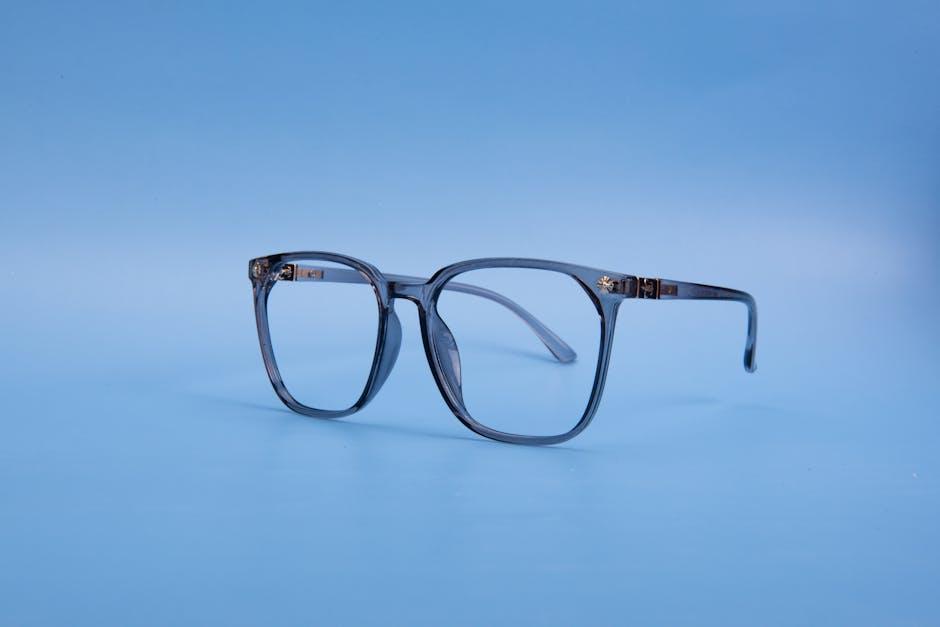
When it comes to alleviating eye strain, both clear and tinted blue light glasses offer tangible benefits, but their effectiveness can vary depending on usage and personal sensitivity. Clear lenses tend to provide a more natural viewing experience, allowing for comfortable extended wear without significant color distortion. This makes them an excellent choice for those who need to switch between different lighting environments frequently or work on color-critical tasks. Meanwhile, tinted lenses target a slightly broader spectrum of harmful blue wavelengths and may block more glare, which some users find particularly soothing during prolonged screen time or in brightly lit rooms.
Visual clarity is another important consideration, especially for those engaged in detailed work or extensive digital interaction. The subtle hue of tinted glasses can sometimes cause a slight shift in color perception, which may affect how content is displayed. On the other hand, clear blue light glasses maintain the original color fidelity, ensuring that images and text appear as intended. Here’s a quick comparison to help weigh their qualities:
| Feature | Clear Blue Light Glasses | Tinted Blue Light Glasses |
|---|---|---|
| Eye Strain Reduction | Moderate, comfortable for all-day wear | High, especially in bright or high-glare environments |
| Color Accuracy | Excellent, minimal distortion | Moderate, slight color tinting |
| Visual Comfort | Natural light balance | Enhanced glare and blue light filtering |
- Clear lenses favor users prioritizing color fidelity and versatility.
- Tinted lenses suit those seeking maximum relief in intense lighting situations.
Choosing the Best Blue Light Glasses for Your Lifestyle and Needs
When selecting blue light glasses, consider how your daily activities influence your choice. For individuals working long hours in front of screens, clear lenses offer a natural aesthetic without altering color perception, making them perfect for office environments and virtual meetings. On the other hand, if you frequently experience eye strain or headaches after prolonged screen use, tinted lenses—usually with a subtle amber or yellow tone—can provide enhanced comfort by filtering more blue light and reducing glare significantly.
Besides functionality, your lifestyle and style preferences also shape the ideal pair. Here’s a quick breakdown of factors to weigh:
- Work Environment: Clear lenses for professional settings; tinted for casual or creative spaces
- Screen Time: Higher exposure favors tinted options with stronger filtering
- Visual Clarity: Clear lenses preserve true color, tinted may slightly distort hues
- Fashion Statement: Clear frames are subtle, tinted often standout as part of a bold look
| Feature | Clear Blue Light Glasses | Tinted Blue Light Glasses |
|---|---|---|
| Color Accuracy | High | Moderate |
| Blue Light Filtering | Moderate | Strong |
| Visual Comfort for Long Use | Good | Better |
| Style Versatility | High | Medium |
The Conclusion
In the end, choosing between clear and tinted blue light glasses comes down to balancing comfort and style with your personal preferences and daily needs. Clear lenses offer a subtle, versatile look that fits seamlessly into any setting, while tinted options provide a distinct visual cue and a stronger blue light filter that some find more effective during long screen sessions. Whichever you decide, the most important thing is protecting your eyes comfortably—because in the digital age, clarity and care go hand in hand.