
In the ever-evolving world of haircare, the debate between co-washing and shampooing often leaves many wondering which method is truly best for their scalp. Both promise cleanliness and nourishment, yet they approach the task in remarkably different ways. Whether your scalp craves gentle moisture or needs a thorough cleanse, understanding the nuances of co-wash versus shampoo can unlock the secret to healthier, happier hair. This article delves into the unique benefits and considerations of each, helping you discover the ideal match for your scalp type and personal routine.
Understanding Your Scalp Type and Its Needs
Every scalp tells a unique story, influenced by factors like genetics, environment, and lifestyle. Recognizing whether your scalp is oily, dry, sensitive, or balanced is crucial to selecting the right cleansing method. For example, an oily scalp may benefit from routine shampoos that effectively remove excess sebum, while dry scalps often crave the gentle hydration that co-washes provide. Understanding these nuances ensures your scalp maintains its natural balance without becoming irritated or stripped of essential oils.
To help you identify your scalp’s needs more easily, consider these key characteristics:
- Oily Scalp: Prone to shine, frequent greasiness, and sometimes acne around the hairline.
- Dry Scalp: Flakiness, tightness, and itching are common signs.
- Sensitive Scalp: Reacts quickly to products, environmental factors, or harsh chemicals with redness or inflammation.
- Balanced Scalp: Neither too oily nor dry, with minimal irritation and healthy hair growth.
| Scalp Type | Common Concerns | Ideal Cleansing Method |
|---|---|---|
| Oily | Excess sebum, buildup | Regular shampooing |
| Dry | Flakes, tightness | Co-washing |
| Sensitive | Redness, irritation | Mild co-wash or gentle shampoo |
| Balanced | Normal moisture | Alternate co-wash and shampoo |
Exploring the Benefits and Drawbacks of Co-Washing
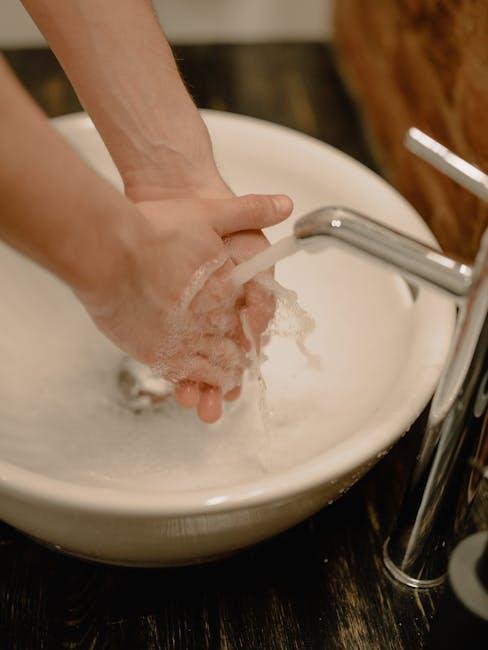
Co-washing, short for conditioner washing, has gained popularity as a gentle alternative to traditional shampoo. This method primarily uses conditioner to cleanse the scalp and hair without stripping away natural oils. Among its benefits: it can enhance moisture retention, reduce frizz, and prevent scalp irritation for those with sensitive skin. Individuals with dry, curly, or chemically treated hair often find co-washing ideal for maintaining softness and elasticity. Additionally, co-washing promotes a more balanced scalp environment by avoiding harsh sulfates, which can sometimes lead to dryness or overproduction of oil.
However, co-washing isn’t without its challenges. A common drawback is the potential buildup of oils and residues, especially for those with oily or fine hair, which might lead to clogged scalp follicles or limp strands. Unlike shampoos formulated to deeply cleanse, conditioners may not remove all dirt, sweat, and product residues effectively. Below is a quick comparison to guide your decision:
| Aspect | Co-Washing | Shampooing |
|---|---|---|
| Moisture Retention | High – preserves natural oils | Can strip oils, drying effect |
| Scalp Cleansing | Gentle, may leave residue | Deep cleansing, removes buildup |
| Hair Type Suitability | Best for dry, curly, or damaged | Ideal for oily or fine hair |
| Frequency | Can be daily or alternate washing | Typically less frequent, depending on scalp oiliness |
When Shampooing Beats Co-Washing for Optimal Scalp Health
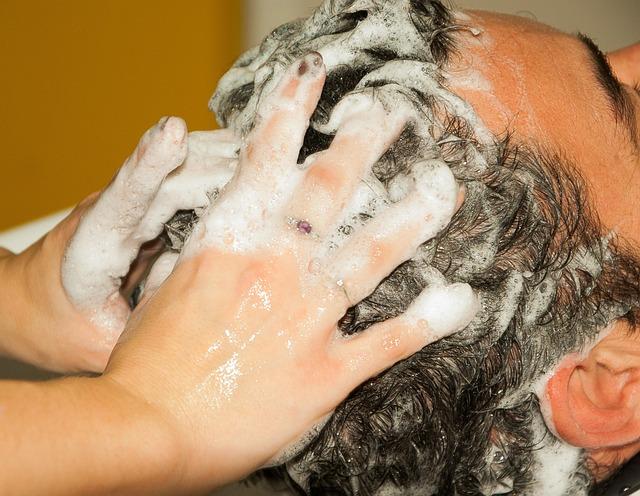
While co-washing is praised for its gentle cleansing approach, shampooing remains indispensable for certain scalp conditions that demand a deeper clean. Shampoos with targeted formulas work effectively to remove excess oil, dirt, and product buildup that co-washes might leave behind. For those with oily scalps, dandruff, or scalp psoriasis, using a shampoo with active ingredients such as salicylic acid, ketoconazole, or tea tree oil can restore scalp balance and prevent irritation. This thorough cleansing is essential to maintain a healthy scalp environment free from clogged pores and inflammation.
Choosing between shampoo and co-wash also depends on your lifestyle and scalp needs. Situations where frequent sweating, pollution, or heavy styling products are involved call for the robust cleansing power of shampoo. Consider these benefits when deciding:
- Deep pore cleansing to remove buildup and prevent follicle blockage
- Scalp condition treatment using medicated shampoos
- Refreshing sensation that invigorates scalp circulation
| Scalp Type | When Shampooing is Best | Recommended Usage |
|---|---|---|
| Oily | Removes excess sebum & buildup | 2-3 times weekly |
| Dandruff-Prone | Treats flakes & soothes irritation | Regular medicated shampoo |
| Combination | Balances oily roots & dry ends | Alternate with co-washing |

Tailored Hair Care Tips for Balancing Co-Wash and Shampoo Use
Finding the perfect balance between co-washing and shampooing often depends on the unique needs of your scalp and hair texture. For those with dry or curly hair, incorporating co-washing a few times a week can help retain natural oils and maintain moisture, while a gentle shampoo once a week ensures the scalp is refreshed and free from buildup. Conversely, oily scalps may benefit from more frequent shampooing to prevent clogged pores, but integrating co-wash sessions can prevent excessive dryness and irritation.
To customize your routine effectively, consider these practical tips:
- Alternate based on scalp condition: Use shampoo when your scalp feels oily or itchy, and switch to co-wash when dryness or flakiness appears.
- Choose product formulas wisely: Opt for sulfate-free shampoos and silicone-free conditioners designed for co-washing to maintain scalp health.
- Listen to your hair’s response: Adjust frequency based on signs of over-cleansing, such as increased dryness or oiliness.
| Scalp Type | Recommended Frequency | Key Product Feature |
|---|---|---|
| Dry & Curly | Co-wash 3-4 times/week, Shampoo 1/week | Moisturizing & sulfate-free |
| Oily | Shampoo 3-4 times/week, Co-wash 1/week | Clarifying & lightweight |
| Normal | Alternate co-wash & shampoo every 2-3 days | Balanced cleansing & hydration |
To Wrap It Up
Ultimately, whether you reach for a co-wash or a traditional shampoo depends on your scalp’s unique needs and your hair care goals. Co-washing offers a gentle, moisturizing cleanse ideal for dry or sensitive scalps, while shampoo provides a deeper cleanse that can refresh oily or product-heavy hair. By understanding how each method interacts with your scalp type, you can tailor your routine to promote balance, health, and shine. After all, the best cleanse is the one that leaves your scalp happy and your hair feeling its best—no one-size-fits-all, just the right fit for you.