
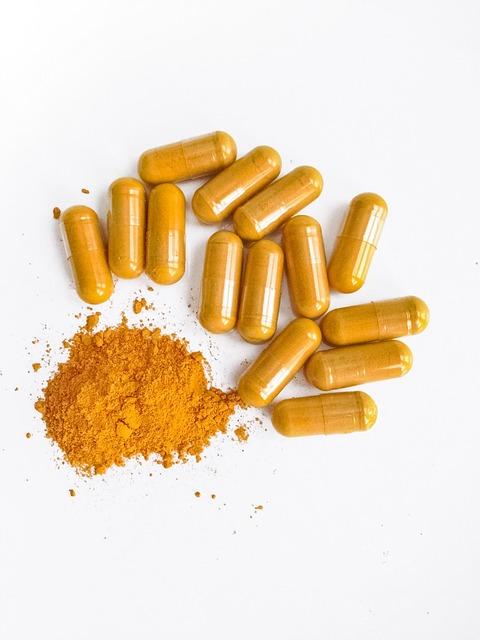
In the vast world of spices and supplements, turmeric stands out as a golden-hued treasure celebrated for its vibrant color and purported health benefits. Yet, stroll down any health aisle or browse online shelves, and you’ll encounter two distinct labels that often cause more confusion than clarity: “Turmeric Curcumin” and “Turmeric Spice.” While they share the same root origin, the difference between the two goes beyond mere semantics—it’s a story about potency, purpose, and what exactly you’re paying for in that bottle. This article unpacks the mystery behind these terms, helping you decode the labels so you can make informed choices about this ancient ingredient in your modern wellness routine.
Understanding the Key Differences Between Turmeric Curcumin and Turmeric Spice
Turmeric spice is the vibrant golden-yellow powder commonly found in kitchens worldwide, favored for its warm, earthy flavor and signature color. Derived from the dried root of the Curcuma longa plant, it offers a broad spectrum of compounds, including essential oils, fibers, and starches. When you sprinkle turmeric on your dishes, you’re embracing the whole root’s natural complexity, not just one single ingredient. Its culinary uses span from curries to teas, providing not only taste but also subtle health benefits rooted in tradition.
On the other hand, turmeric curcumin refers specifically to the active compound extracted from turmeric responsible for most of its proposed health properties. Curcumin is celebrated for its potent anti-inflammatory and antioxidant effects, but it represents only about 2–5% of the whole turmeric root’s composition. This distinction is crucial when reading labels, as supplements labeled “curcumin” tend to focus on delivering a concentrated dose of this compound, often with enhanced absorption techniques. Understanding this difference can help consumers navigate between using turmeric as a flavorful spice or as a targeted wellness supplement.
| Aspect | Turmeric Spice | Turmeric Curcumin |
|---|---|---|
| Source | Whole dried root powder | Extracted compound |
| Composition | Multiple compounds, fibers | Primarily curcumin (2-5%) |
| Primary Use | Culinary flavoring | Dietary supplement |
| Health Focus | General wellness, traditional use | Targeted anti-inflammatory effects |
- Turmeric spice: holistic root experience with culinary versatility.
- Curcumin supplement: precision-focused wellness aid.
Decoding Supplement Labels to Identify Potency and Purity
Understanding the labels on your turmeric supplement is crucial for getting what you pay for. Many products list “turmeric” and “curcumin” interchangeably, but these represent very different things. Curcumin is the active compound responsible for most health benefits associated with turmeric, while turmeric spice usually contains only a small percentage of curcumin alongside other compounds and fillers. When scanning labels, look for the % curcumin content or standardized extracts—this is your hint toward potency. Additionally, the presence of additives like black pepper extract (piperine) can significantly enhance absorption, which is often listed as a beneficial inclusion.
Purity is another essential factor often overlooked. Some brands harbor unnecessary binders, fillers, or artificial ingredients that dilute the product’s effectiveness. Certifications such as GMP (Good Manufacturing Practice), third-party testing seals, or statements about non-GMO and organic sourcing can signal a cleaner, more trustworthy product. Below is a quick comparison of typical label elements to help you decode what’s inside your bottle:
| Label Element | What It Means | Why It Matters |
|---|---|---|
| Standardized Curcumin (%) | Usually 95% in supplements | Indicates strength and purity of active compound |
| Black Pepper Extract (Piperine) | Enhancer of absorption | Improves bioavailability up to 2000% |
| Fillers & Binders | Inactive ingredients | May dilute potency or cause sensitivities |
| Third-Party Testing | Independent quality check | Verifies label accuracy and safety |
Health Benefits Backed by Science and What You Should Expect
Turmeric Curcumin stands apart from the common turmeric spice primarily because it’s a concentrated form rich in curcuminoids—the compounds responsible for turmeric’s most potent health effects. Scientific studies highlight its potential in supporting joint health, reducing chronic inflammation, and enhancing antioxidant defenses at a cellular level. Unlike ground turmeric, which contains about 3% curcumin by weight, curcumin supplements are highly standardized and often paired with black pepper extract (piperine) to dramatically improve absorption and bioavailability.
When incorporating turmeric or curcumin into your routine, you can expect:
- Improved digestion and gut comfort through natural anti-inflammatory action
- Enhanced cognitive support by potentially reducing oxidative stress in brain cells
- Natural mood elevation, as research suggests curcumin’s role in serotonin and dopamine regulation
- Support for cardiovascular health, including better endothelial function and lowered inflammation markers
| Benefit | Turmeric Spice | Turmeric Curcumin |
|---|---|---|
| Curcumin Content | ~3% | 95%+ (standardized extract) |
| Bioavailability | Low | High (with piperine) |
| Common Usage | Culinary spice | Supplement for health support |
| Therapeutic Effects | Limited | Clinically demonstrated |
Choosing the Right Turmeric Product for Your Wellness Goals
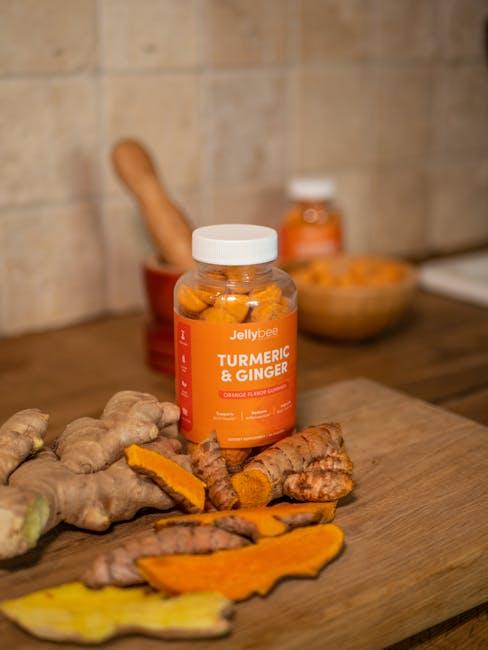
When selecting a turmeric product, it’s essential to align your choice with your specific health priorities. Turmeric spice, the bright yellow powder commonly used in kitchens worldwide, offers a milder concentration of curcumin. It’s perfect for those looking to enhance their food flavor while receiving gentle antioxidant benefits. Conversely, turmeric curcumin supplements provide a targeted and potent dose of the active compound, ideal for individuals seeking anti-inflammatory support, joint relief, or immune system enhancement.
Consider these factors before making your decision:
- Bioavailability: Curcumin’s natural absorption is low; products often include black pepper extract (piperine) to increase effectiveness.
- Form: Capsules and tinctures offer convenience and consistent dosage, while powders integrate well into cooking.
- Purpose: Culinary uses vs. therapeutic use demand different formulations and strengths.
| Feature | Turmeric Spice | Turmeric Curcumin Supplement |
|---|---|---|
| Curcumin Content | Low (around 3%) | High (standardized 95%) |
| Usage | Culinary & mild health aid | Targeted wellness support |
| Absorption Enhancers | Rarely included | Often added (e.g., piperine) |
The Way Forward
In the end, whether you reach for a bottle of turmeric spice or a capsule of concentrated curcumin, understanding what’s inside is key to making informed choices for your health and kitchen. Turmeric spice carries the vibrant history and flavor that has seasoned dishes for centuries, while curcumin isolates the powerhouse compound often championed for its wellness benefits. By decoding the labels and knowing the difference, you can unlock the true potential each form offers—turning a simple bottle into a meaningful addition to your routine. So next time you stand before those golden jars, you’ll know exactly what the bottle means.