
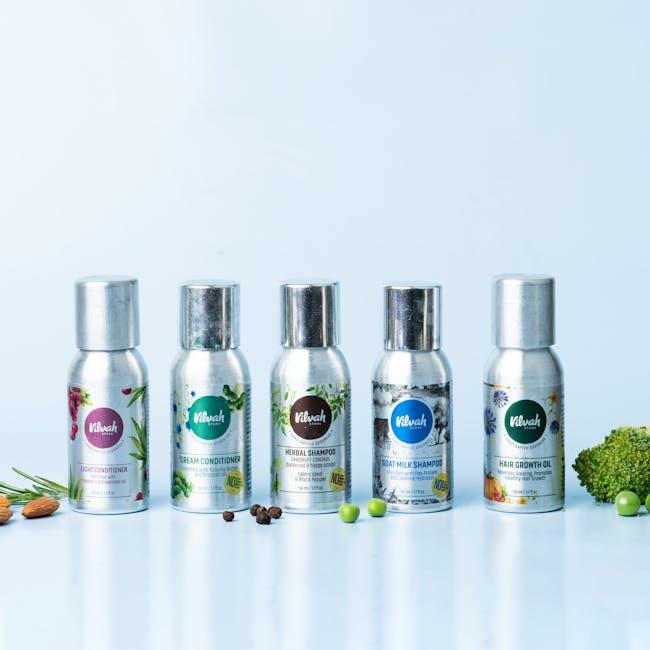
In the ever-evolving world of haircare, the debate between sulfate-free and regular shampoos continues to capture attention. Both promise to leave your hair clean and refreshed, yet they differ fundamentally in their ingredients and effects. Sulfate-free shampoos have surged in popularity, often hailed as gentler alternatives, while regular shampoos remain staples in many bathroom cabinets for their powerful cleansing action. This article delves into the nuances of these two types, exploring how they impact that coveted “clean” feeling and the buildup that can weigh hair down. Whether you’re seeking a fresh perspective or considering a switch, understanding the balance between cleanliness and scalp health is key to making an informed choice.
Understanding Sulfates and Their Role in Hair Cleansing
Sulfates, primarily sodium lauryl sulfate (SLS) and sodium laureth sulfate (SLES), are powerful cleansing agents commonly found in regular shampoos. These compounds work by breaking down oils and dirt on the scalp and hair strands, creating a rich, foamy lather that many associate with cleanliness. Their molecular structure allows them to effectively lift away buildup of sebum, pollutants, and styling products, leaving hair feeling refreshingly clean. However, this intense cleansing power can sometimes strip the scalp of its natural oils, potentially leading to dryness or irritation for sensitive skin types.
In contrast, sulfate-free shampoos utilize gentler surfactants derived from alternative sources, aiming to cleanse without excessive stripping. Here’s how sulfates generally contribute to the cleansing process:
- Rapid lathering action that signals cleanliness
- Efficient removal of stubborn oils and residue
- Potential to disrupt natural scalp moisture balance
- Possible buildup reduction by breaking oil barriers
| Sulfate Type | Cleansing Strength | Potential Scalp Impact |
|---|---|---|
| Sodium Lauryl Sulfate (SLS) | High | Can cause dryness, irritation |
| Sodium Laureth Sulfate (SLES) | Moderate | Milder but may still irritate |
| Sulfate-Free Surfactants | Gentle | Nourishing, maintains moisture |

Evaluating the Clean Feel After Using Sulfate-Free Versus Regular Shampoo
When you rinse out a regular shampoo, that signature clean, squeaky sensation often signals that oils and grime have been effectively stripped away. However, this feeling can sometimes be misleading, as the detergents, primarily sulfates, aggressively remove natural oils, potentially leaving hair feeling tight or even dry. On the other hand, sulfate-free shampoos offer a gentler cleanse that maintains the scalp’s natural moisture balance. This often results in hair feeling softer and less stripped, but it might lack that instant “fresh-from-the-salon” slickness that sulfate-based products commonly provide.
It’s important to note that the notion of “clean” varies depending on hair type and personal preference. Below is a quick comparison to illustrate typical clean feel experiences after washing with sulfate-free versus regular shampoo:
| Aspect | Sulfate-Free Shampoo | Regular Shampoo |
|---|---|---|
| Clean Feel Intensity | Gentle, natural | Strong, sometimes harsh |
| Residue & Buildup | Minimal, promotes scalp health | Can leave residue with frequent use |
| Post-Wash Texture | Soft, hydrated feel | Often dry or stripped |
| Suitability for Sensitive Scalps | High, less irritation | Lower, potential for dryness |
- Regular shampoos remove buildup quickly but risk disrupting the scalp’s natural oils.
- Sulfate-free options prioritize scalp health and subtle cleanliness, especially suited for delicate or color-treated hair.
- The “clean” sensation is subjective and greatly depends on individual hair care goals.

Assessing Product Buildup and Scalp Health Over Time
Over weeks of using sulfate-free shampoos, many notice a gradual difference in how their scalp and hair respond. Unlike regular shampoos—which often rely on strong detergents to create a quick, squeaky-clean sensation—sulfate-free alternatives tend to cleanse more gently, resulting in less frequent irritation or dryness. However, one trade-off can be the subtle accumulation of natural oils and styling products. While some buildup is unavoidable, sulfate-free formulas generally allow for a more balanced scalp environment that supports healthy oil production without stripping essential moisture.
To visualize this comparison, consider the table below summarizing typical observations when alternating between both shampoo types over a month-long period:
| Factor | Sulfate-Free Shampoo | Regular Shampoo |
|---|---|---|
| Scalp Sensitivity | Reduced irritation, calmer scalp | Occasional dryness, redness |
| Product Buildup | Moderate, often manageable | Minimal but can feel stripped |
| Clean Feel | Gentle, natural | Immediately noticeable, intense |
| Hair Texture | Softer, more hydrated | Sometimes dry or brittle |
Incorporating periodic clarifying treatments with sulfate-free options can prevent excessive buildup without compromising scalp health. Ultimately, tracking how your scalp and hair evolve with consistent use empowers you to create a personalized care routine that balances cleanliness with nourishment.
Choosing the Right Shampoo Based on Hair Type and Lifestyle Needs
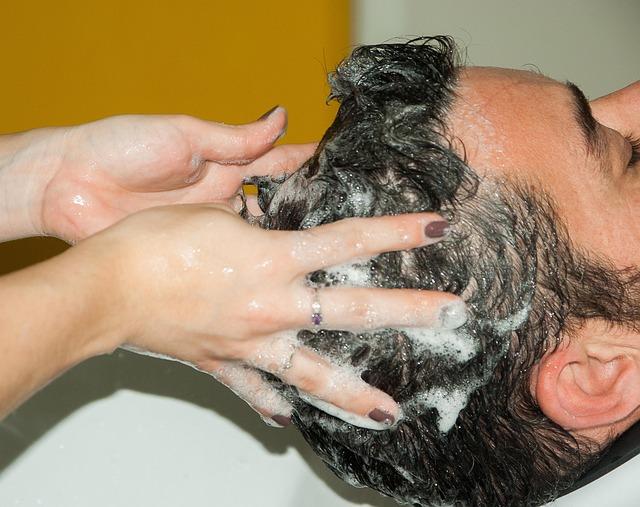
When selecting the perfect shampoo, understanding your hair’s unique needs is crucial. For those with color-treated or chemically processed hair, sulfate-free shampoos offer a gentle cleanse, protecting locks from premature fading and dryness. Conversely, if you have oily hair or spend lots of time outdoors, a regular shampoo with sulfates can provide a deeper clean, effectively removing excess sebum and environmental buildup. Daily gym-goers or those exposed to heavy pollution might benefit from clarifying agents found in some regular shampoos, while less frequent washers might prefer the mildness of sulfate-free options to preserve natural oils.
Consider how your lifestyle intertwines with your haircare routine. Busy mornings demand quick, effective cleansers that leave hair refreshed without stripping moisture. Meanwhile, if you prefer styling with heat tools or live in dry climates, products that maintain hydration without heavy residue become essential. Below is a concise comparison to help you decide which shampoo type aligns with your hair type and lifestyle:
| Hair/Lifestyle Trait | Best Shampoo Type | Key Benefit |
|---|---|---|
| Fine, Color-Treated | Sulfate-Free | Gentle cleansing + Color preservation |
| Oily, Active Lifestyle | Regular | Deep cleaning + Oil removal |
| Dry, Curly Hair | Sulfate-Free | Hydration without stripping |
| Frequent Swimmers | Regular | Removes chlorine and buildup |
- Tip: Always pair shampoos with complementary conditioners to maintain hair balance.
- Note: Switching between types seasonally can optimize scalp health and hair vitality.
Key Takeaways
Ultimately, choosing between sulfate-free and regular shampoo comes down to your hair’s unique needs and personal preferences. While regular shampoos may deliver a deeply clean, sometimes intense lather that tackles buildup head-on, sulfate-free formulas offer a gentler cleanse that helps preserve your hair’s natural moisture and shine. Understanding these differences empowers you to make a choice that keeps your hair feeling fresh, balanced, and healthy—no matter which side of the sudsy debate you land on. After all, the best shampoo is the one that makes your hair feel truly clean, comfortable, and ready to face the day.