

As summer approaches and sunbathing essentials hit the shelves, chemical sunscreens remain a popular choice for many seeking lightweight, invisible protection. Yet beyond their promise of shielding us from harmful UV rays, how do these formulas truly perform when applied? This article dives into a careful examination of chemical sunscreens, exploring their tendency to cause eye sting, their effect on skin’s natural glow or shine, and the textures that make them a joy—or a chore—to use daily. By demystifying these sensory experiences, we aim to help you find the perfect balance between efficacy and comfort under the sun.
Understanding Eye Irritation Potential in Chemical Sunscreens
The delicate nature of the eyes makes testing for irritation in chemical sunscreens a top priority. Many formulas, while effective at UV protection, contain ingredients that can trigger an uncomfortable stinging sensation upon contact with the eyes. This reaction is often caused by ultraviolet filters such as avobenzone, oxybenzone, and homosalate, which can dissolve into tears and disrupt the sensitive ocular surface. The intensity of the sting varies depending on concentration, formulation stability, and the presence of soothing agents, making it essential for product developers to balance protection with comfort.
Beyond the immediate sting, the texture and formulation type play crucial roles in minimizing eye irritation. Lightweight gels and water-based lotions are often better tolerated than thick creams or sprays, which can easily migrate into the eyes during active use. Consider this simplified comparison of common chemical sunscreen textures and their general eye irritation potential:
| Texture Type | Eye Irritation Risk | Typical User Feedback |
|---|---|---|
| Light Gel | Low | Slight warmth, rarely sting |
| Water-Based Lotion | Moderate | Mild sting if rubbed in the eye |
| Thick Cream | High | Commonly causes burning sensation |
| Spray | Variable | Depends on application; often migrates |
Understanding these dynamics helps consumers make informed choices, especially those with sensitive skin or active lifestyles. Selecting a chemical sunscreen isn’t just about SPF value — it’s also about how the formula interacts with your eyes and skin throughout the day.
Balancing Shine Control with Effective UV Protection
Striking the perfect balance between shine control and robust UV defense can often feel like walking a tightrope. Many chemical sunscreens promise to keep unwanted oiliness at bay, yet in practice, the finish can range from overly mattifying (leading to a dry, cakey texture) to insufficiently controlling shine, leaving skin looking greasy. This delicate equilibrium hinges largely on the ingredients used; mattifying agents like silica or zinc oxide can tame excess oil, but if not combined thoughtfully with UV filters, they may compromise the overall protective capacity. Finding sunscreens that effectively blend these aspects is key to a comfortable and confident sun-care routine.
- Lightweight formulations: Enhance wearability without sacrificing protection.
- Non-comedogenic ingredients: Prevent pore clogging while maintaining matte skin.
- Broad-spectrum filters: Essential for safeguarding against both UVA and UVB rays.
Below is a concise comparison illustrating how some popular chemical sunscreens measure up in controlling shine while delivering effective UV coverage:
| Sunscreen | Shine Control | SPF/UVA Protection | Texture |
|---|---|---|---|
| GlideShield Ultra | Matte finish, long-lasting | SPF 50 / Broad-spectrum | Light, non-greasy |
| SunVeil Tinted | Moderate shine control | SPF 30 / Partial broad-spectrum | Creamy, smooth |
| ClearSkin Defense | Shiny finish, hydrating | SPF 50+ / Broad-spectrum | Gel-like, refreshing |

Texture Matters How Formulation Influences Application Experience
When it comes to chemical sunscreens, the tactile feel on your skin can make or break your daily routine. A formulation’s texture—whether creamy, gel-like, or liquid—directly influences how smoothly the product spreads and how quickly it absorbs. Lightweight gels tend to glide effortlessly, leaving minimal residue, while thicker creams may require more effort but often deliver better hydration. The balance between stickiness and slip is crucial; too much tackiness can cause pilling or discomfort, while excessive slip may lead to uneven application or product migration into the eyes.
Beyond just feel, texture also affects the cosmetic finish. Sunscreens that feel heavy can leave an unwanted shine or greasy layer, which might deter daily use, especially for oily or combination skin types. Meanwhile, formulations that dry down matte without tightness create a more appealing, natural look. Consider these typical texture profiles:
- Cream-based: Rich, moisturizing, ideal for dry skin but can be heavier.
- Gel-based: Lightweight, rapidly absorbing, suitable for oily skin.
- Fluid/lotions: Balanced texture offering moderate coverage and finish.
| Texture Type | Application Feel | Finish |
|---|---|---|
| Cream | Rich, spreads slowly | Dewy, hydrating |
| Gel | Light, glides quickly | Matte, non-greasy |
| Fluid | Moderate slip | Natural, slight sheen |
Choosing the Right Chemical Sunscreen for Sensitive Skin
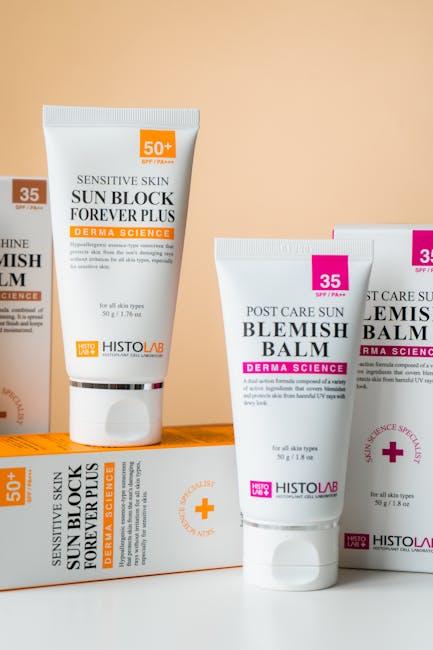
When selecting a chemical sunscreen that caters to sensitive skin, it’s essential to focus on formulations that prioritize gentle, non-irritating ingredients. Look for products that avoid common sensitizers such as fragrances, parabens, and alcohols, which can exacerbate redness and stinging sensations around delicate areas like the eyes. Ingredients such as zinc oxide and titanium dioxide might not fall under chemical filters, but pairing them with mild chemical actives like avobenzone or octocrylene in low concentrations can enhance protection without compromising skin comfort.
Moreover, texture plays a significant role in user experience and skin tolerance. Lightweight, non-greasy formulas with a matte or natural finish are preferable to minimize shine and prevent clogged pores, which can lead to irritation or breakouts. Below is a quick guide to evaluate the key features when choosing your next gentle chemical sunscreen:
- Eye comfort: Opt for sunscreens explicitly labeled “tear-free” or “suitable for sensitive eyes.”
- Finish: Matte or satin finish reduces unwanted shine and improves makeup wearability.
- Ingredients: Favor formulas free from common irritants like synthetic fragrances and harsh preservatives.
- SPF spectrum: Broad-spectrum protection is a must for effective defense without frequent reapplication stress.
| Feature | Ideal Attribute |
|---|---|
| Eye Sting Potential | Minimal to none |
| Shine Level | Matte or softly dewy |
| Texture | Lightweight, non-greasy |
| Sensitivity Considerations | Free from harsh chemicals |
Closing Remarks
As we’ve uncovered, the world of chemical sunscreens is far from one-size-fits-all. From the subtle sting behind the eyes to the elusive quest for a non-greasy glow, each formula tells its own story on your skin. Whether you prioritize a matte finish, gentle application, or long-lasting protection, understanding these nuances empowers you to make choices that suit your unique needs. So next time you reach for that bottle, remember: it’s not just about blocking the sun—it’s about how the product feels and performs in the moments you wear it. In the ever-evolving science of sun care, informed experimentation might just be your best defense for both comfort and protection.