

In the world of cooking and nutrition, what’s on the label is only part of the story. Beyond the names and numbers lies a subtle but significant factor: the form in which an ingredient appears. From powders to pellets, liquids to flakes, ingredient forms can influence everything—from how recipes come together to how nutrients are absorbed. This simple guide explores why these variations matter, helping you navigate the pantry with a clearer understanding and a sharper eye for detail. Whether you’re a passionate home cook or a curious eater, discovering the impact of ingredient forms might just transform the way you approach your next dish.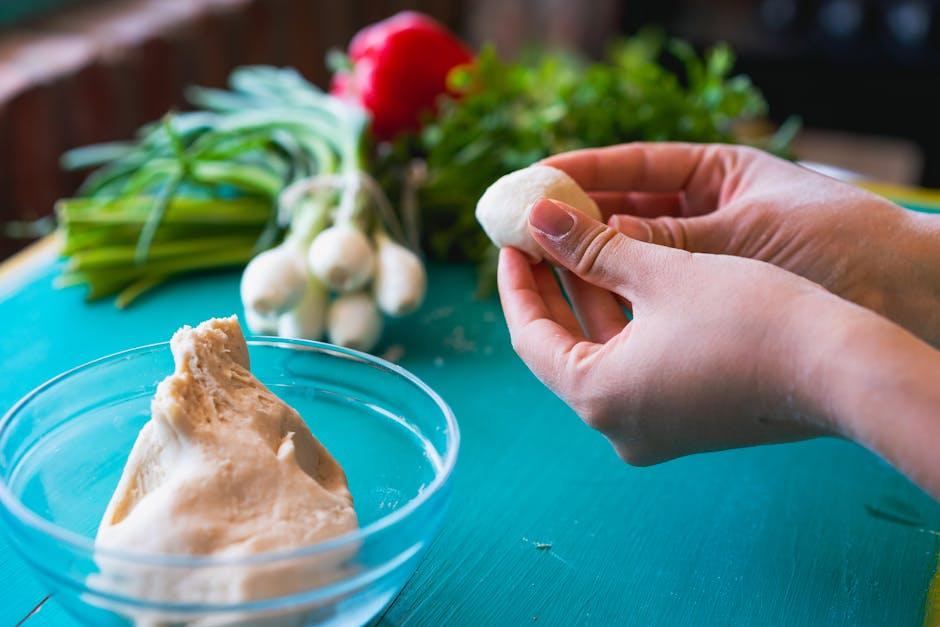
Understanding Different Ingredient Forms and Their Impact
When it comes to selecting ingredients, their form can dramatically influence not only the ease of use but also the final result of your recipe or product. Ingredients may come as powders, liquids, granules, or pastes, each offering different solubility, absorption rates, and mixing properties. For example, powders dissolve quickly and blend seamlessly in dry mixes, while liquids can better infuse into wet recipes, enhancing flavor distribution. Understanding these variations allows you to optimize texture, taste, and even shelf life, tailoring the outcome to your exact needs.
Choosing the right form also affects how ingredients behave during cooking or formulation. Here’s a snapshot of common forms with their key characteristics:
- Powders: Ideal for precise measurement and long shelf life, but may require thorough mixing.
- Granules: Provide a slow release of flavor or nutrients and add texture.
- Liquids: Enhance moisture and can intensify flavors instantly.
- Pastes: Offer concentrated flavors and are great for marinating or thickening.
| Ingredient Form | Best Use | Key Benefit |
|---|---|---|
| Powder | Dry mixes, baking | Long shelf life |
| Granules | Slow cooking, seasoning | Controlled flavor release |
| Liquid | Marinades, sauces | Instant infusion |
| Paste | Marinating, thickening | Concentrated flavor |

Choosing the Right Form for Optimal Flavor and Texture
When selecting ingredients, the form you choose—whether fresh, dried, powdered, or frozen—can dramatically influence both the flavor and texture of your dish. Fresh herbs, for example, offer vibrant aromas and a delicate freshness, while their dried counterparts provide a more concentrated, slightly altered taste profile. Similarly, using crushed garlic versus garlic powder will yield a differing intensity and mouthfeel, affecting the overall harmony of your recipe. Understanding these subtle distinctions helps in tailoring your culinary creations to your desired outcome, whether that be a smooth sauce, a crunchy topping, or a burst of herbal brightness.
To simplify your choices, consider these quick pointers:
- Fresh forms: Best for bright, bold flavors and a tender texture.
- Dried forms: Ideal for long cooking times where concentrated taste is preferred.
- Powdered forms: Great for uniform blending and subtle seasoning.
- Frozen forms: Preserve nutrients and texture when fresh is unavailable.
| Ingredient | Form | Flavor Profile | Best Use |
|---|---|---|---|
| Basil | Fresh | Bright, herbal | Salads, garnishes |
| Basil | Dried | Earthy, intense | Long-cooked sauces |
| Garlic | Crushed | Sharp, pungent | Sautéing, marinades |
| Garlic | Powdered | Mild, subtle | Dry rubs, seasoning blends |
Storage Tips to Preserve Freshness and Potency
Maintaining the freshness and potency of your ingredients starts with understanding their specific storage needs. Many natural compounds are sensitive to light, heat, and moisture, which can degrade their effectiveness over time. To combat this, always store powders and dried herbs in airtight containers away from direct sunlight. Refrigerating fresh extracts or oils can extend their shelf life, but be sure to check for condensation which may promote mold growth. Additionally, avoid storing ingredients near strong odors to prevent unwanted absorption that can alter their flavor and potency.
Different forms require tailored environments to maintain their quality. Use this handy guide as a quick reference for optimal storage:
| Ingredient Form | Storage Tip | Ideal Environment |
|---|---|---|
| Powders | Keep sealed in moisture-proof containers | Cool, dry, dark cabinet |
| Oils | Store in dark glass bottles | Refrigerated or cool place |
| Fresh Herbs | Wrap in damp paper towel, refrigerate | High humidity, fridge crisp zone |
| Extracts | Keep tightly sealed, away from heat | Room temperature, dark spot |
- Use opaque containers whenever possible to block out light.
- Label your ingredients with purchase and opening dates to track freshness.
- Avoid temperature fluctuations that can cause condensation and spoilage.

Incorporating Ingredients Wisely for Better Cooking Results
Understanding how to handle and combine different ingredient forms can dramatically elevate the texture, flavor, and overall success of your dishes. For instance, whole spices often release their aroma gradually, perfect for slow-cooked meals, while ground spices impart immediate heat and intensity. Similarly, fresh herbs added at the end of cooking maintain their brightness, whereas dried herbs need time for their flavors to blend harmoniously. Timing and form matter—knowing when to add each ingredient ensures your dish reaches its full potential.
Balancing moisture levels and textures is equally crucial. Use this quick reference to guide ingredient incorporation:
| Ingredient Form | Best Usage | Cooking Tip |
|---|---|---|
| Whole | Slow-cooked recipes | Add early for flavor release |
| Chopped | Sautéing or quick cooking | Add mid-cooking for texture |
| Pureed | Thickening sauces or soups | Incorporate gradually for smoothness |
| Dried | Long simmering dishes | Rehydrate before use if needed |
| Fresh | Finishing touches or salads | Add last to preserve flavor |
- Know your ingredient’s form: Each adds a unique character to your dish.
- Adjust cooking time accordingly: Softer forms cook faster, denser ones need patience.
- Layer flavors mindfully: Introduce ingredients in stages to build complexity.
The Way Forward
In the end, understanding the different forms an ingredient can take is more than just a culinary curiosity—it’s a key that unlocks better results, enhanced flavors, and more confident cooking. Whether you’re measuring powders, chopping fresh herbs, or selecting extracts, paying attention to ingredient forms transforms a simple recipe into a gratifying experience. So next time you gather your ingredients, remember: the form they come in matters more than you might think—and that little detail could make all the difference on your plate.