

In the ever-evolving world of skincare, retinol creams have earned their spotlight as powerful agents promising smoother, clearer, and more youthful skin. Yet, their reputation often comes with whispers of irritation, flaking, and the challenge of fitting them seamlessly into daily routines. Navigating this delicate balance between effectiveness and comfort can feel like decoding a beauty enigma. This review delves into the nuances of retinol creams—examining how comfortable they truly are on the skin, the real risk of flaking, and how easily they can be woven into your personal skincare regimen. Whether you’re a retinol rookie or a seasoned user seeking smarter choices, this article aims to illuminate the path toward a harmonious relationship with one of skincare’s most talked-about ingredients.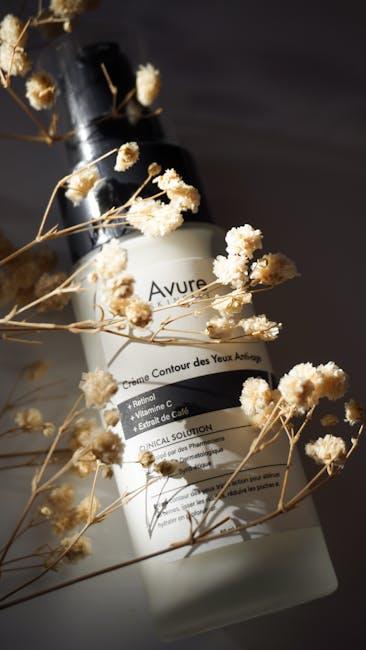
Understanding Comfort Levels in Retinol Creams How to Minimize Flaking and Irritation Choosing the Right Retinol Cream for Your Skincare Routine Expert Tips for Seamless Integration and Optimal Results
Retinol is renowned for its skin-renewing prowess, but its potency can sometimes lead to discomfort such as dryness, flaking, and irritation. Understanding your skin’s tolerance is key to selecting a retinol cream that complements your skincare lifestyle without overwhelming it. When introducing retinol, opt for low concentrations initially and look for formulations enriched with soothing ingredients like niacinamide, ceramides, or hyaluronic acid that help reinforce the skin barrier. Incorporating moisturizers and gentle cleansers into your routine aids in minimizing unwanted side effects while maximizing benefits.
To seamlessly integrate retinol creams and reduce the risk of flaking, start slow: apply every other night or even less frequently based on your skin’s reaction. Maintaining hydration is crucial—consider adding a lightweight, non-comedogenic moisturizer post-application. Below is a quick reference table to help you pick a retinol cream suited to your comfort level and lifestyle:
| Comfort Level | Recommended Retinol % | Key Support Ingredient | Application Frequency |
|---|---|---|---|
| Sensitive | 0.1% – 0.25% | Niacinamide | 2-3 times/week |
| Moderate | 0.25% – 0.5% | Ceramides | Every other night |
| Resilient | 0.5% – 1% | Hyaluronic Acid | Nightly |
- Patch test always: Try products on a small skin area before full use.
- Buffer with moisturizer: Applying moisturizer before or after retinol reduces irritation.
- Sun protection is a must: Retinol increases photosensitivity, so use daily SPF.
Insights and Conclusions
In the ever-evolving world of skincare, retinol creams remain a staple for many seeking smoother, clearer skin. Yet, as we’ve explored, their comfort levels, flaking potential, and how well they integrate into daily routines can vary widely. Finding the right fit isn’t just about potency—it’s about balance, patience, and listening to your skin’s unique needs. Whether you’re a retinol rookie or a seasoned user, approaching these creams with informed care can make all the difference between irritation and radiance. Ultimately, the journey to glowing skin is as personal as the products you choose—so take your time, adjust thoughtfully, and let your skin guide the way.