

When it comes to a good night’s sleep, the choice of bedding can make all the difference. Among the many options available, weighted blankets and regular duvets each offer unique qualities in terms of comfort and warmth. While a regular duvet provides familiar softness and traditional insulation, a weighted blanket brings a different experience—one that combines pressure with coziness. In this article, we’ll explore how these two popular bedding choices compare, helping you discover which one might be the perfect fit for your restful nights.
Comparing Comfort Levels Between Weighted Blankets and Regular Duvets
When it comes to embracing cozy nights, weighted blankets and regular duvets offer distinctly different comfort experiences. Weighted blankets provide a gentle, even pressure that mimics a comforting embrace, often described as tactile therapy. This sensation can reduce restlessness, foster relaxation, and promote a deeper sense of security. In contrast, regular duvets prioritize softness and loft, wrapping you in layers of fluff without added pressure. This results in a classic, airy comfort that’s familiar and versatile, ideal for those who prefer a lighter, less restrictive feel during sleep.
Heat retention is another critical factor influencing comfort. Weighted blankets often trap more warmth due to their dense fillings, making them perfect for chilly nights but potentially too warm for hot sleepers. Regular duvets, on the other hand, come in a variety of fill types and thicknesses, allowing for more control over temperature regulation. Here’s a quick overview of their comfort traits:
- Weighted Blanket: Provides calming pressure, warmer, excellent for anxiety relief
- Regular Duvet: Lightweight options available, more breathable, adaptable to seasons
| Comfort Aspect | Weighted Blanket | Regular Duvet |
|---|---|---|
| Pressure Sensation | Deep, soothing | Soft, minimal |
| Heat Retention | Higher | Variable |
| Breathability | Moderate | High |
| Weight | Heavy (5-25 lbs) | Light (1-5 lbs) |

Understanding Heat Regulation and Breathability in Different Bedding
When it comes to maintaining an ideal sleeping temperature, the materials and construction of your bedding play a pivotal role. Regular duvets typically feature natural fibers like cotton or down, both known for their exceptional breathability and moisture-wicking properties. This allows air to circulate freely, preventing heat buildup and helping regulate body temperature throughout the night. On the other hand, weighted blankets often incorporate denser fabrics and additional fillers such as glass beads or plastic pellets, which can inhibit airflow. While this added weight promotes a soothing pressure, it can also lead to increased warmth, making breathability a crucial consideration for those prone to overheating.
- Airflow: Regular duvets facilitate better ventilation.
- Fabric Density: Weighted blankets use thicker materials to distribute weight evenly.
- Moisture Control: Natural fibers help manage perspiration effectively.
- Thermal Retention: Weighted blankets retain heat longer due to their compact fill.
| Bedding Type | Breathability | Heat Retention | Best for |
|---|---|---|---|
| Regular Duvet | High | Moderate | Warm sleepers, humid environments |
| Weighted Blanket | Moderate to Low | High | Cold sleepers, stress relief |
Material Choices and Their Impact on Warmth and Softness
When choosing between a weighted blanket and a regular duvet, the fabric and fill play a crucial role in determining how warm and soft each option feels. Weighted blankets often use dense, natural materials such as cotton or bamboo for their covers, ensuring breathability despite the added weight from glass beads or plastic pellets inside. In contrast, regular duvets typically use down, synthetic fibers, or wool. These fillings can trap air and offer great insulation, but sometimes at the expense of breathability, making them warmer but potentially less comfortable in fluctuating temperatures.
Key material characteristics to consider:
- Cotton: Soft, breathable, ideal for weighted blankets seeking cooler warmth.
- Bamboo: Naturally moisture-wicking and silky smooth, a budget-friendly luxury.
- Down: Lightweight but excellent at heat retention, common in duvets.
- Synthetic fills: Hypoallergenic and budget-conscious but sometimes less breathable.
| Material | Warmth Level | Softness | Breathability |
|---|---|---|---|
| Cotton | Moderate | Soft | High |
| Bamboo | Moderate | Very Soft | High |
| Down | High | Soft | Medium |
| Synthetic | Medium | Varies | Low-Medium |
Tailoring Your Bedding Selection to Season and Personal Preference
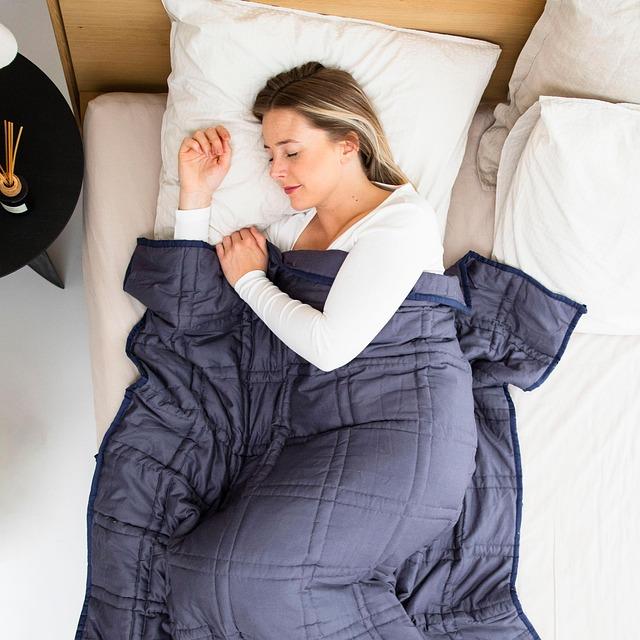
Choosing bedding that aligns with both the changing seasons and your unique comfort needs can transform your sleep experience. During warmer months, lighter fabrics and breathable materials are essential to prevent overheating. A regular duvet filled with down or a cotton alternative often offers better airflow, making it ideal for summer nights. Conversely, when the temperatures drop, weighted blankets release gentle pressure that can enhance feelings of coziness and warmth. For those who prioritize a snug hug over heat retention, weighted blankets are perfect, but remember to consider the blanket’s material; cotton covers tend to be cooler than fleece or minky alternatives.
Personal preference also plays a crucial role in selecting the perfect bedding combo. Whether you prefer the gentle swaddle of a weighted blanket or the fluffiness of a regular duvet, here is a quick comparison to consider:
| Feature | Weighted Blanket | Regular Duvet |
|---|---|---|
| Heat Retention | High (varies by filling) | Moderate to Low |
| Pressure Comfort | Intense and calming | Light and fluffy |
| Seasonal Use | Best for cooler months | Year-round, especially warm weather |
| Maintenance | Heavier, may need spot cleaning | Easier to wash and dry |
- Fabric choice: Cotton and linen breathe better in heat, while fleece lock in warmth.
- Weight preference: Lighter weighted blankets (<10 lbs) can double as regular covers in spring/fall.
- Layering: Combine a thin duvet with a weighted blanket in winter for flexible comfort.
Concluding Remarks
In the end, choosing between a weighted blanket and a regular duvet comes down to what kind of comfort and warmth you crave. Whether it’s the gentle, soothing pressure of a weighted blanket or the familiar, breathable embrace of a traditional duvet, both have their unique charm. Understanding your personal needs—be it a sense of calm, temperature control, or simply a cozy night’s sleep—will guide you to the perfect bedding companion. So, as you tuck in tonight, remember that comfort isn’t one-size-fits-all; it’s about finding the right balance that feels just right for you.