
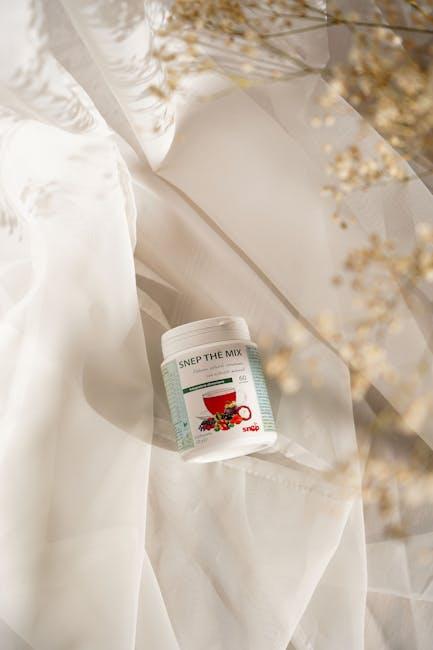
In the vast landscape of product labels and ingredient lists, one phrase often catches the eye but rarely unveils its full story: proprietary blends. These carefully crafted mixtures hold the promise of innovation, uniqueness, and, sometimes, mystery. But what exactly are proprietary blends, and why do they matter to consumers, manufacturers, and regulators alike? This article delves into the world behind the label, unraveling the purpose, benefits, and controversies surrounding proprietary blends, shedding light on why understanding them is essential in making informed choices.
Understanding the Composition of Proprietary Blends
At the core of proprietary blends lies a blend of carefully selected ingredients designed to work synergistically, often masked under a collective name rather than individual listing. This approach allows manufacturers to protect their unique formulas while delivering specific benefits to consumers. However, because exact quantities of each component are usually undisclosed, understanding what goes into these mixes requires a keen eye on the order of ingredients—since they’re listed from highest to lowest concentration—and a critical evaluation of each element’s known effects.
When analyzing these blends, it’s helpful to focus on key factors such as:
- Ingredient Quality: Are the components standardized or sourced from reputable origins?
- Potential Synergies: How might the combined ingredients enhance or inhibit each other’s effectiveness?
- Safety Profile: Are there any allergens or stimulants that require caution?
| Blend Component | Possible Role | Common Source |
|---|---|---|
| Green Tea Extract | Antioxidant, metabolism booster | Camellia sinensis leaves |
| Magnesium | Muscle relaxation, nerve function | Mineral salts |
| Turmeric Root | Anti-inflammatory agent | Curcuma longa rhizomes |

The Impact of Proprietary Blends on Product Transparency
When a product lists a proprietary blend on its label, it often masks the exact quantities of individual ingredients, making it difficult for consumers to fully understand what they are ingesting. This lack of specificity can breed uncertainty, especially for those managing allergies, sensitivities, or trying to monitor precise nutrient intake. Transparency becomes blurred, challenging regulatory compliance and potentially undermining consumer trust. While brands may use proprietary blends to protect their formulas from competitors, the trade-off is often seen in reduced clarity, leaving consumers with more questions than answers.
From a practical standpoint, proprietary blends tend to group ingredients without disclosing each component’s percentage, which can obscure the actual potency of beneficial compounds versus filler materials. For example:
- Ingredient A – 60%
- Ingredient B – 25%
- Ingredient C – 15%
versus a proprietary blend listing only the total weight:
| Proprietary Blend Total Weight | Ingredients Included |
|---|---|
| 500 mg | Ingredient A, Ingredient B, Ingredient C |
This ambiguity can affect consumers who value knowing exact dosages for efficacy and safety reasons. Ultimately, while proprietary blends might offer competitive advantages to manufacturers, they present a notable obstacle for those seeking clear, detailed product knowledge.

Evaluating the Benefits and Drawbacks for Consumers
When it comes to proprietary blends, consumers face a mixed bag of advantages that can make shopping both exciting and a bit challenging. On the positive side, these blends often represent a carefully crafted formula, combining multiple ingredients in precise ratios to enhance effectiveness or create unique health benefits. This can translate into added convenience, as users get a ready-made combination without having to experiment with individual components. Additionally, the use of proprietary blends allows companies to protect their unique formulations, encouraging innovation and competition in the marketplace.
However, it’s important to tread carefully because proprietary blends can sometimes blur transparency. Since manufacturers are not required to list exact amounts of each ingredient within the blend, consumers may find it difficult to assess potency or compare products fairly. This lack of specificity can also lead to concerns about effectiveness or potential allergens hidden within the mix. To better understand these trade-offs, consider the following summary:
| Aspect | Benefit | Drawback |
|---|---|---|
| Transparency | Protection of formula and innovation | Unclear ingredient quantities |
| Convenience | Pre-mixed, ready-to-use blends | Limited ability to customize intake |
| Consumer Trust | Brand loyalty through unique blends | Potential skepticism due to hidden details |

Guidelines for Making Informed Choices with Proprietary Blends
When evaluating supplements with proprietary blends, the key is to look beyond the label’s flashy marketing and seek clarity. Always examine what is disclosed—even if exact quantities aren’t listed, understanding the ingredient hierarchy can clue you in on which components dominate the formula. Prioritize products that combine transparency with reputable certifications, such as third-party testing seals. These markers help assure quality and safety, giving you peace of mind that your investment supports your health goals rather than just a manufacturer’s bottom line.
To make more confident decisions, consider the following checklist:
- Research each ingredient: Know its purpose and potential effects.
- Compare similar products: Check for consistency in ingredient profiles and blend ratios.
- Consult professional advice: A healthcare provider can help assess suitability based on your personal needs.
- Be cautious of excessive claims: If it sounds too good to be true, it usually is.
| Factor | Why It Matters | Action Tip |
|---|---|---|
| Ingredient Transparency | Shows what’s in the blend, building trust. | Choose brands listing all components clearly. |
| Dosage Information | Essential for understanding effectiveness. | Look for specified amounts or %DV when possible. |
| Independent Testing | Confirms product purity and potency. | Seek supplements with third-party seals. |
Wrapping Up
In the end, proprietary blends are much more than just a list of ingredients hidden behind a clever name. They represent a complex balance between innovation, marketing, and consumer trust. Understanding what goes into these blends empowers you to make informed choices about the products you bring into your life. So next time you encounter a proprietary blend, remember: there’s a story waiting to be unraveled—one that invites you to look beyond the label and discover the true essence of what matters.