
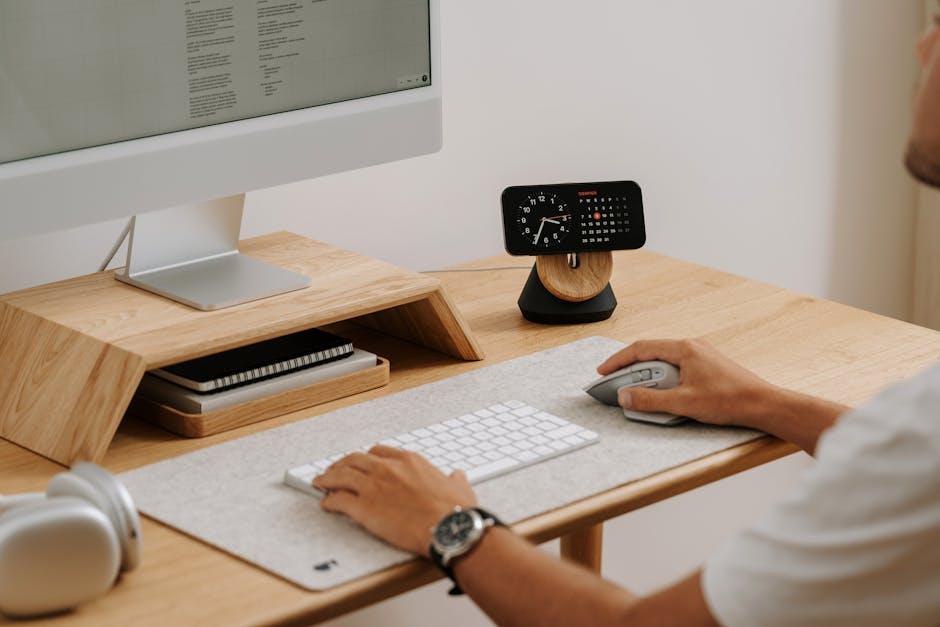
In the evolving landscape of modern workspaces, the quest for comfort and productivity has brought standing solutions into the spotlight. Among the popular choices, desk converters and standing desks each promise to transform how we engage with our work, blending ergonomics with efficiency. But as we weigh their merits, two key factors often take center stage: value and stability. This article dives into the subtle yet significant differences between desk converters and standing desks, helping you navigate the balance between cost-effectiveness and steadfast support in your journey toward a healthier work environment.
Understanding the Structural Differences and Their Impact on Stability
When comparing a desk converter to a standing desk, the core difference lies in their structural design, which directly affects their stability and overall performance. Desk converters are typically placed on top of an existing desk, featuring adjustable platforms that allow the user to raise or lower their workspace. This layered design, while versatile, can introduce slight wobbling, especially when fully extended. In contrast, standing desks are built from the ground up, with frames designed specifically for height adjustment, offering a more solid foundation. The heavier base and integrated support system in standing desks generally provide superior stability, making them less prone to shaking during typing or writing.
Several factors contribute to the stability differences:
- Weight distribution: Standing desks have balanced frames and lower centers of gravity, while desk converters rely on the strength of the original desk underneath.
- Material quality: High-grade steel in standing desks enhances rigidity compared to the often lighter aluminum or plastic components in converters.
- Adjustment mechanism: Electric or pneumatic lifts in standing desks tend to be sturdier than manual or spring-loaded systems in converters.
| Feature | Desk Converter | Standing Desk |
|---|---|---|
| Base Stability | Dependent on existing desk | Independent, solid frame |
| Weight Capacity | 15-30 lbs | 50-100 lbs |
| Adjustment Range | Limited height span | Wide, customizable range |

Evaluating Cost Effectiveness and Long-Term Value in Different Workspaces
When considering initial investment and ongoing value, desk converters often appeal due to their affordability and versatility. They provide a practical solution for those not ready to replace their existing desk, allowing users to transform a traditional workspace swiftly without significant renovations. However, their lightweight design, while portable and convenient, can sometimes compromise stability, especially under heavier equipment. This makes them ideal for light to moderate use but potentially less suitable for users requiring a steadfast setup that supports multiple monitors and accessories over prolonged periods.
On the other hand, standing desks command a higher upfront cost but reward users with durability and superior ergonomic benefits, translating into long-term health and productivity gains. They are typically constructed with robust materials, offering steady support and adapting well to frequent adjustments and heavier loads. Below is a comparison of cost-effectiveness and lifespan to better visualize the trade-offs:
| Feature | Desk Converter | Standing Desk |
|---|---|---|
| Initial Cost | Low ($100 – $300) | High ($300 – $800+) |
| Expected Lifespan | 2 – 5 years | 5 – 10 years |
| Stability | Moderate | High |
| Suitability for Heavy Setup | Limited | Excellent |
- Desk converters shine with cost efficiency and ease of setup.
- Standing desks provide unmatched durability and ergonomic advantages for the long haul.
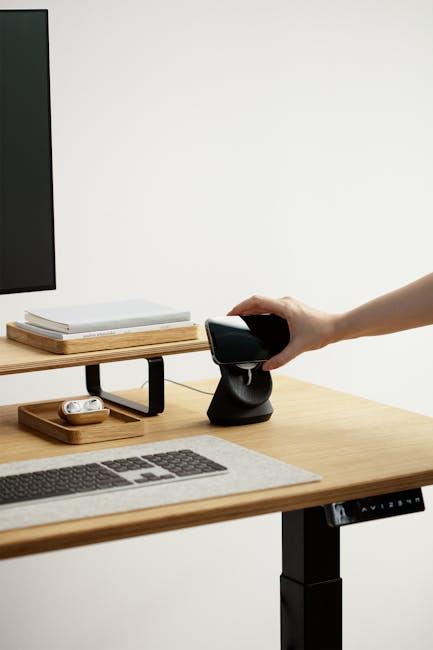
Ergonomic Considerations for Enhancing Comfort and Productivity
Achieving a balance between comfort and productivity hinges on how well your workstation adapts to your body’s natural posture. Both desk converters and standing desks prioritize ergonomics, yet they offer different levels of adjustment and support. Desk converters provide a flexible, cost-effective solution for those who want to transform their existing workspace quickly. They encourage periodic movement throughout the day, preventing the rigidity of prolonged sitting. However, the stability of these converters varies, which can affect precision tasks such as writing or typing. On the other hand, standing desks typically offer sturdier platforms with customizable height settings, fostering an optimal ergonomic position that reduces strain on the neck, back, and wrists.
To maximize ergonomic benefits, consider these key factors when choosing between a desk converter and a standing desk:
- Adjustability: Ability to switch between sitting and standing positions smoothly.
- Surface Stability: Minimizing wobble is crucial for maintaining focus and preventing discomfort.
- Workspace Size: Sufficient space to accommodate essential work materials without clutter.
- Weight Capacity: Supporting multiple monitors or heavier equipment safely.
| Feature | Desk Converter | Standing Desk |
|---|---|---|
| Height Range | Limited, usually fixed steps | Fully adjustable, smooth continuous movement |
| Stability | Moderate, may wobble under heavy loads | High, robust frame ensures firm support |
| Workspace Size | Compact, fits atop existing desk | Variable, often larger surface options |

Choosing the Right Option Based on Space, Usage, and Personal Preference
When deciding between a desk converter and a standing desk, evaluating your available space is crucial. Desk converters typically offer a compact footprint, making them ideal for small offices or home workstations with limited area. Their adaptability means you can maintain your existing desk while quickly switching between sitting and standing positions. On the other hand, standing desks usually demand more room and often include built-in cable management and adjustable height features, which contribute to a cleaner, more ergonomic setup but require a dedicated space. Consider whether you prioritize flexibility in placement or the full ergonomic benefits of a purpose-built standing desk.
Usage patterns and personal preference also play significant roles. If your work style involves frequent shifts between typing, reading, and phone calls, a desk converter’s quick transition and portability can be highly advantageous. Conversely, if you prefer a stable, robust surface and often use multiple monitors or heavier equipment, a standing desk might better support your needs. Here’s a quick comparison to help guide your choice:
| Criteria | Desk Converter | Standing Desk |
|---|---|---|
| Space Requirement | Low; fits on existing desk | Medium to High; needs dedicated area |
| Stability | Moderate; slight wobble under heavy load | High; solid and durable frame |
| Ease of Transition | Fast manual or pneumatic adjustment | Often electric; smooth and effortless |
| Customization | Limited to converter design | Full height range and accessories options |
- Compactness: Ideal for multitasking and small spaces.
- Ergonomics: Full standing desks offer superior customization.
- Budget: Desk converters often come at a lower price point.
- Stability Needs: Heavy setups benefit from standing desks.
Concluding Remarks
In the end, choosing between a desk converter and a standing desk comes down to your personal priorities—whether it’s the flexibility and cost-effectiveness of a converter or the solidity and dedicated presence of a full standing desk. Both options offer a path toward healthier work habits and greater comfort, but their value and stability serve different needs and spaces. By weighing these factors thoughtfully, you can find the perfect solution that elevates not just your workspace, but your overall well-being as well.